
Vandaag of morgen in huis

Kwaliteit gegarandeerd

Welkomstaanbiedingen ontgrendelen: GRATIS bezorging | Tot 80% korting | Gratis 30 dagen JoyPlus-proefperiode
Download de app
Protein powder can be useful if you want to increase your daily protein intake, for example around strength training, fitness or a busy working day. However, many products appear more similar than they really are. A large package, prominent claims and a long ingredient list do not automatically mean that a powder suits your goals.
The key question is therefore not only how much protein a product contains, but also which protein source, nutritional profile and serving size fit your situation.
“95% whey isolate” may refer to the proportion of an ingredient in the formula, rather than 95 grams of protein per 100 grams of finished product. According to the product information, Applied Nutrition ISO-XP contains 95% whey protein isolate as an ingredient, while the finished powder provides 90 grams of protein per 100 grams.
Always check the nutrition table. Look at:
A standard whey protein or whey product primarily provides protein. This makes it suitable as a supplement to your daily diet, but not automatically as a complete meal. A weight gainer, on the other hand, is specifically designed to provide a substantial amount of extra calories and carbohydrates.
According to the product description, Optimum Nutrition Serious Mass Cookies & Cream provides approximately 50 grams of protein, 250 grams of carbohydrates and around 1,269–1,292 kcal per serving. This may suit someone who deliberately needs more calories, but it makes less sense if you are simply looking for a light protein shake.
Clear whey often tastes and feels lighter than a creamy shake, but it is usually still milk-based. For example, Ghost Clear Whey lists whey protein isolate as its base and contains milk, despite its clear drink format.
Collagen powder is also not the same as a standard protein supplement for muscle building. Marine collagen and bovine collagen come from different protein sources and are often chosen for a different purpose. According to the product information, Vital Proteins Marine Collagen contains 12 grams of collagen peptides per serving and is sourced from white fish.
Whey protein comes from milk and generally contains milk components. Some formulas also contain soy as an emulsifier. Whey isolate usually has a higher protein percentage than a formula containing a large proportion of whey concentrate, but always check the complete nutrition table.
Other options include:
According to the product information, Lucovitaal Protein Soy Powder Pure consists of 100% soy protein isolate and provides 23 grams of protein per 25-gram serving. However, it contains soy and is therefore unsuitable for people with a soy allergy.
A 30-gram serving does not mean the same thing for every brand. Compare both values. Some examples from the available range:
A higher protein percentage is particularly relevant if you want to keep additional calories, fat and carbohydrates to a minimum. For muscle building, your overall diet, training load and recovery also matter. The EU-authorised claim states that protein contributes to the growth and maintenance of muscle mass as part of a varied diet.
You can add unflavoured collagen powder to coffee, yoghurt, smoothies or hot drinks. Flavoured whey is generally intended to be mixed with water or milk. With clear whey, pay attention to the preparation method: according to the product information, Ghost Clear Whey is mixed with approximately 475 ml of water and needs time for the foam to settle after shaking.
Also check:
According to the product information, the Caramel Latte variant of Applied Nutrition Critical Whey contains 100 mg of caffeine per 33-gram serving. This makes it less suitable late in the evening or if you are looking to limit your caffeine intake.
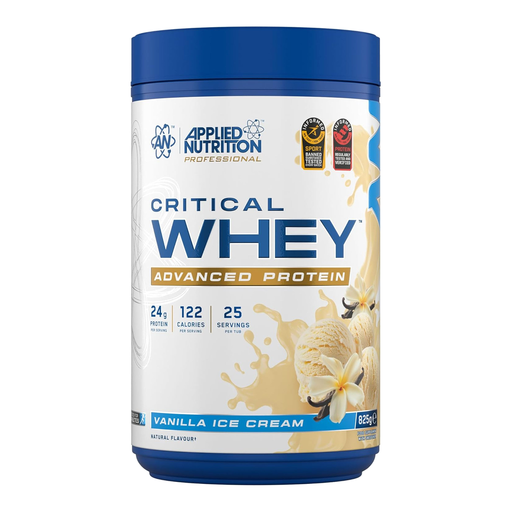
Why it fits: A practical whey formula for adults who train regularly and want to add extra protein without a complicated formulation.
The product information identifies the protein source and recommends a serving of approximately 30 grams. Check the current values for each flavour on the label.
Whey concentrate, whey isolate and hydrolysed whey; approximately 20 grams of protein per serving according to the product information.
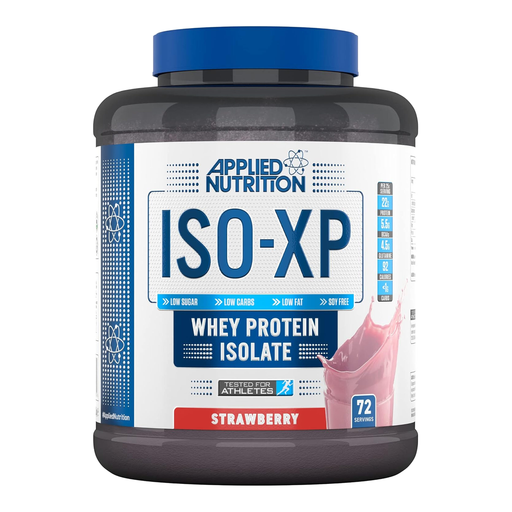
Why it fits: For athletes who want a high protein content per shake while keeping fat, sugar and carbohydrates low.
The nutrition values distinguish between the proportion of whey isolate used as an ingredient and the protein percentage of the finished product.
22.5 grams of protein per 25-gram serving; less than 1 gram of fat, carbohydrates and sugar per serving according to the product information.
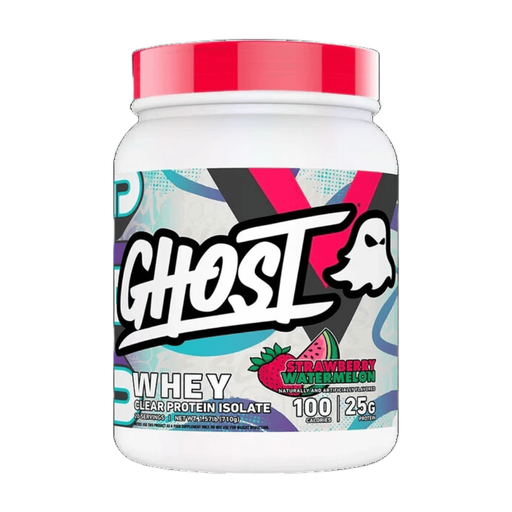
Why it fits: For active adults who prefer a refreshing drink around their workout or throughout the day rather than a creamy protein shake.
The product information clearly states that the product contains milk and is not automatically suitable for people with lactose or milk sensitivities.
25 grams of protein and approximately 100 kcal per serving; no added sugars according to the product information.
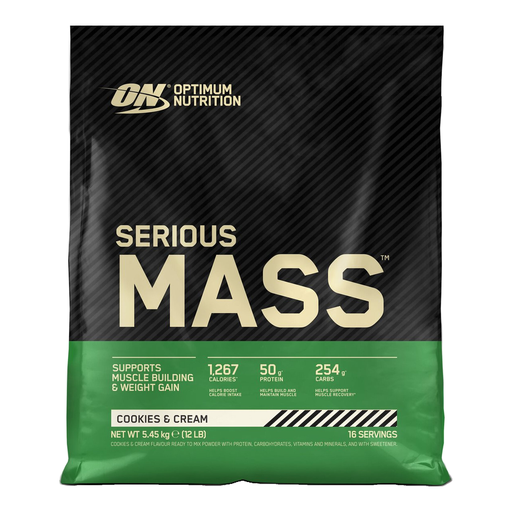
Why it fits: For adults who struggle to consume enough calories and are deliberately looking for a weight gainer.
The very large serving size and high calorie count are stated explicitly. This prevents you from using a gainer like a standard protein shake.
Approximately 50 grams of protein and 250 grams of carbohydrates per serving according to the product information; 5.45 kg package.
Browse a current selection of products and compare protein sources, serving sizes and intended uses before you order.
You can use a protein shake to supplement your daily diet, for example after exercising or as a protein-rich snack. The exact timing matters less than your total protein intake and overall dietary pattern.
Not automatically. Whey isolate may contain less lactose than some whey concentrate products, but the product may still contain milk components. Always check the label and allergen information for the flavour you choose.
Store the powder tightly sealed, in a dry place away from heat and direct sunlight. Use the best-before date and storage instructions on the packaging as your guide. After opening, moisture and an inadequate seal can affect the texture and flavour.
