
Vandaag of morgen in huis

Kwaliteit gegarandeerd

Welkomstaanbiedingen ontgrendelen: GRATIS bezorging | Tot 80% korting | Gratis 30 dagen JoyPlus-proefperiode
Download de app
If you want to increase your daily protein intake, you’ll quickly come across protein powder, whey protein, a protein shake or a ready-to-drink protein drink. The choice is vast, and the differences aren’t just about flavour or brand. The protein content per serving, the composition, the format and the ease of use all determine whether a product is right for you.
As a Joybuy Product Recommendation Officer, I filter the most important product information in a practical way. This helps you see which features you can verify and which marketing claims are best taken with a pinch of salt.
A pack might show a high protein percentage, but the serving size varies from product to product. So always compare:
For example, a product with 25 g of protein per serving may have a different serving size than one with 21 g or 24 g of protein.
Whey protein isolate is a specific form of whey protein. The product information often states a relatively high protein content and low levels of carbohydrates and fats. That can be useful if you’re looking for a compact protein source. However, your overall diet determines whether isolate offers you any real advantage. A whey blend containing concentrate, isolate and hydrolysed whey can be just as practical.
Also, watch out for allergens. Whey protein comes from milk. Many products also contain soya, for example as an emulsifier.
A protein bar, granola or protein-rich breakfast can be handy on the go, but the nutritional value varies widely. Some bars contain a lot of sugar, fat or carbohydrates alongside the protein. So look at the full nutrition table, not just the word “protein” on the front.
A weight gainer is a different product category altogether. It’s designed to provide extra calories and carbohydrates, not just to top up your protein intake in a light way.
Check whether the product contains whey concentrate, whey isolate, hydrolysed whey or a combination of these. With a serving of around 30 g, the selected products provide roughly 21 to 25 g of protein. That’s a verifiable starting point for comparison.
According to the product information, protein contributes to the growth and maintenance of muscle mass. This is an authorised EU health claim, but the effect depends on your overall diet, training and lifestyle.
A protein powder with low sugar and fat can be suitable when you’re mainly looking for extra protein without many extra calories. A shake made with milk will naturally have different nutritional values than the same serving made with water.
Also, look out for special ingredients. The Caramel Latte variant from Applied Nutrition, for example, contains 100 mg of caffeine per serving. That makes this flavour less suitable if you want to limit your caffeine intake or use the shake later in the day.
Powder needs to be weighed and mixed with water or milk. Check the recommended amount of liquid and whether a shaker is needed. A ready-to-drink protein drink is quicker, but it’s often more expensive per serving and less flexible to store once opened.
A large tub can be more cost-effective for daily use, but only if you like the flavour and can use it within its shelf life. For occasional use, a sachet or smaller pack can help reduce waste.
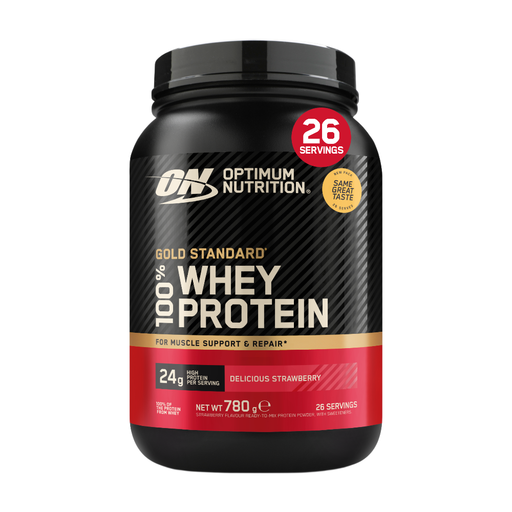
Why this fits the profile: The pack provides around 26 servings of 30 g, making it straightforward for anyone starting out with protein shakes.
The nutritional values are listed per serving: 24 g protein, 112 kcal and 1.2 g sugar. This allows you to compare the serving size directly.
Whey blend with 24 g protein per serving; mix with 180–240 ml water.

Why this fits the profile: This option uses whey protein isolate and, according to the product information, delivers 25 g of protein per 31 g serving.
The pack lists protein, carbohydrates, sugar, fat and salt separately. So you don’t have to rely on the front-of-pack “isolate” claim.
25 g protein; less than 1 g carbohydrates per serving according to the product information.
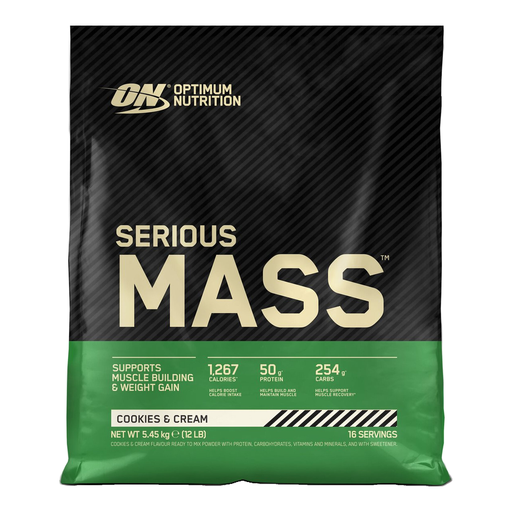
Why this fits the profile: A weight gainer for adults who want plenty of extra calories and carbohydrates alongside their protein.
The product is clearly not a standard whey: one stated serving contains 50 g protein and around 250 g carbohydrates. That prevents confusion about the formula’s purpose.
Large tub; recommended preparation with 334 g powder and 710 ml water or milk.
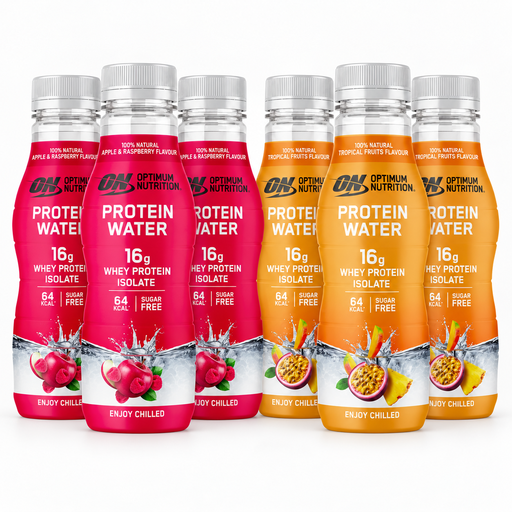
Why this fits the profile: A ready-to-drink protein drink for after exercise, between meals or during a busy workday.
The nutritional information is listed per bottle: 16 g protein, 64 kcal, 0 g fat and 0 g sugar. So there’s no need to weigh or mix anything.
Six 350 ml bottles; two fruit flavours; ready to drink and fat-free according to the product information.
We’ve put together a full, up-to-date list of products that fully meet these strict selection criteria and comply with current European safety regulations.
A protein shake can be used after exercise, between meals or at any other time of day when you want to add extra protein. The timing is less important than your total daily protein intake and your regular diet.
Always follow the best-before date and storage advice on the pack. Once opened, store the powder in a cool, dry place, tightly sealed, away from moisture and direct sunlight. Do not use any product where the packaging is damaged.
That depends on the serving size, pack and price. Powder is often more flexible because you can choose how much water or milk to add. A protein drink may cost more per serving, but it saves time and doesn’t require a shaker. So compare the price per gram of protein rather than just the price of the pack.
