
Vandaag of morgen in huis

Kwaliteit gegarandeerd

Welkomstaanbiedingen ontgrendelen: GRATIS bezorging | Tot 80% korting | Gratis 30 dagen JoyPlus-proefperiode
Download de app
Buying a tub of protein powder seems straightforward – until you start comparing labels side by side. One product claims 24 grams of protein per serving, another boasts 90 grams per 100 grams. Some varieties are primarily whey-based, while others add soya, collagen, caffeine or a hefty amount of carbohydrates.
For adults who exercise, want to increase their daily protein intake, or aim to build and maintain muscle mass, the choice really comes down to the composition and when you plan to use it. The Joybuy Product Recommendation Officer has outlined the key points to check.
A high percentage sounds appealing, but it doesn't tell you everything about whether it's right for you. Also check:
A product with 90 grams of protein per 100 grams might, for example, recommend a smaller serving than a product with 76 or 83 grams per 100 grams.
Whey protein can consist of whey concentrate, whey isolate or a combination of the two. Whey isolate is typically more highly concentrated and, according to the product specification, often contains less fat and fewer carbohydrates. This makes it appealing for consumers looking for a protein powder with a limited amount of carbohydrates.
A blend containing whey concentrate, isolate and hydrolysed whey can be attractive precisely because it combines different protein sources. There's no reason to assume automatically that one type is right for everyone.
A protein shake is a practical addition to your diet, not a replacement for a varied eating pattern. Also pay attention to the recommended dosage. Using more powder than stated on the label won't automatically give you better results.
If you have allergies, are taking medication, are pregnant, breastfeeding or have a medical condition, it's wise to consult a doctor or other qualified healthcare professional before use.
Whey protein comes from milk and naturally contains amino acids, including BCAAs: leucine, isoleucine and valine. With a whey product, it's important to check whether the formula is mainly concentrate, isolate or a blend.
Plant-based or hybrid options may contain soya or other sources. So always check the ingredients list rather than just looking at the front of the packaging.
Compare products on the same basis. A practical guideline is to look at both grams of protein per serving and grams of protein per 100 grams. Examples from product specifications:
Exact values can vary by flavour and production batch. So always use the packaging as your final check.
If you're looking for a lactose-free protein powder, you need to be extra careful: whey and milk protein contain milk constituents, unless the label states otherwise. A product may also contain soya via lecithin.
Also check for stimulant ingredients. The Caramel Latte variant of Applied Nutrition Critical Whey states 100 mg of caffeine per serving. Optimum Nutrition Amino NRG + Electrolytes also contains caffeine according to the product information, alongside amino acids and magnesium. This isn't a standard protein powder and isn't suitable for every occasion.
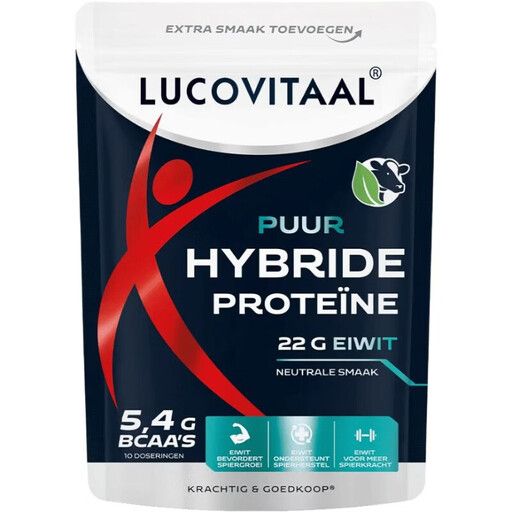
Why this fits the profile: The combination of whey concentrate and soya isolate offers an easy way to add extra protein to shakes, smoothies or baking recipes.
The ingredients list clearly states the two protein sources. This means you can see straight away that it's not pure whey isolate and that it's not a lactose-free product.
According to the product information, this variant provides 22 grams of protein per serving and contains no added colourings or flavourings.
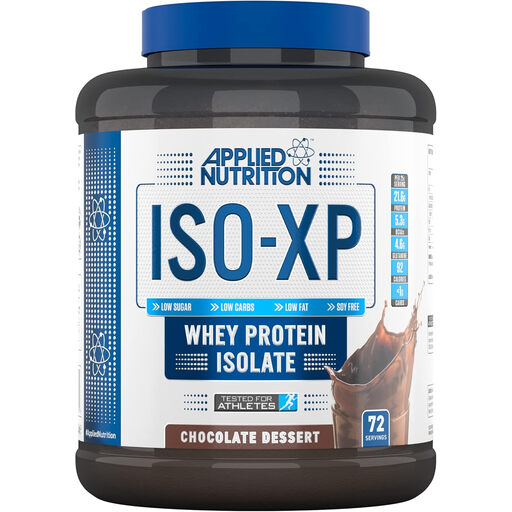
Why this fits the profile: This variant is aimed at athletes who place a high value on a high protein percentage and a limited amount of fat and carbohydrates.
The nutritional information states 90 grams of protein per 100 grams, 0.1 grams of carbohydrates and 0.4 grams of fat per serving. Always check the actual packaging though.
Whey isolate is the main ingredient; a 25-gram serving contains 22.5 grams of protein according to the product specification.
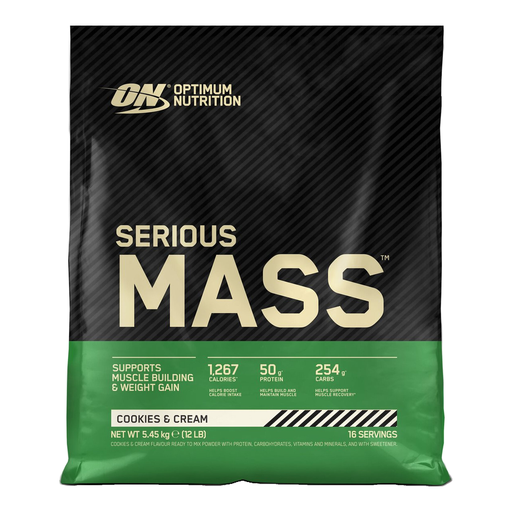
Why this fits the profile: A weight gainer is designed for adults who want to incorporate plenty of extra calories and carbohydrates into their diet alongside protein.
The product specification makes it clear that this isn't a standard protein shake: a serving contains 50 grams of protein and approximately 250 grams of carbohydrates according to the label.
Large tub and high energy value per recommended serving. The serving size is a substantial 334 grams, so plan your use carefully.
We've put together a full, up-to-date list of products that fully meet these strict selection criteria and comply with current European safety regulations.
Mix the powder according to the instructions with water, milk or a plant-based alternative. Water keeps the nutritional value of the powder largely the same; milk can add extra calories, protein and carbohydrates.
A protein drink can be suitable:
A ready-to-drink option like the Nutramino Nutra-GO Shake contains 25 grams of protein per 330 ml bottle according to the product information. Once opened, it must be kept refrigerated and used within 24 hours.
No. Whey protein is a milk product and many variants also contain soya via lecithin. If you avoid dairy or lactose, you need to check the label carefully. A product with beef protein or a plant-based formula may be a better fit, but always check the full ingredients list on those too.
That depends on your overall diet. You can have a shake after exercise or between meals, but the exact timing is less important than your total daily protein intake and a varied diet. Always follow the recommended serving on the packaging.
Unopened, the shelf life depends on the date on the packaging. Store opened powder in a dry, cool place, tightly sealed, away from moisture and direct sunlight. Changes in smell, colour or texture are reasons not to use the product any longer. If in doubt, check the label or contact the manufacturer.
