
Vandaag of morgen in huis

Kwaliteit gegarandeerd

Welkomstaanbiedingen ontgrendelen: GRATIS bezorging | Tot 80% korting | Gratis 30 dagen JoyPlus-proefperiode
Download de app
Protein powder may seem straightforward to choose, but the differences between whey protein, casein protein, vegan protein powder and weight gainers are significant. Choosing the wrong product could mean you consume too little protein, drink more calories than necessary or end up with a flavour and texture you find disappointing after a few weeks.
As a Joybuy Product Recommendation Officer, I filter the most important product specifications for you. This allows you to compare protein powder based on verifiable information rather than eye-catching marketing claims.
A high protein percentage per 100 grams does not tell you everything. Also check the serving size, the number of servings per pack and the amount of protein per shake. A product with 24 grams of protein per serving may offer better value in everyday use than a powder with a higher percentage but a smaller pack.
A weight gainer is designed to add extra calories and carbohydrates. That is different from a protein shake for fitness, where the main aim is to supplement your protein intake. According to the product information, Serious Mass contains approximately 1,250 to 1,260 kcal, 50 grams of protein and more than 250 grams of carbohydrates per serving. This may suit people looking to gain weight, but it makes less sense if you are simply looking for some extra protein after exercising.
Whey protein and casein come from milk. Many products also contain soya as an emulsifier. A plant-based product is not automatically free from all allergens: always check the ingredients list and the statement “may contain traces of”. Product formulas can change, so use the information on the packaging as your reference before buying.
Whey protein is often chosen as a practical protein shake around a workout. According to the product information, Optimum Nutrition’s Gold Standard Whey variants provide approximately 24 grams of protein per serving of around 30 to 32 grams. The blend consists of whey isolate, whey concentrate and hydrolysed whey protein.
Casein protein has a thicker texture and is described as being digested slowly. Optimum Nutrition Gold Standard Casein contains 24 grams of micellar casein per 33-gram serving. Taking it before bed or between meals is primarily a practical choice for longer periods without food; it does not replace a varied diet.
Vegan protein powder is suitable for vegans and many vegetarians. Gold Standard 100% Plant Protein combines pea and rice protein and, according to the product information, provides 24 grams of plant-based protein per serving of approximately 36 grams.
Alongside protein, compare calories, carbohydrates, sugars, fats and salt. A regular whey shake generally contains relatively few calories per serving. A gainer, on the other hand, contains high levels of carbohydrates and calories. Also look at additional ingredients such as creatine, enzymes, vitamins and minerals. More ingredients do not automatically mean that the product is better suited to your goals.
Check how much water or milk is required and how many servings the pack contains. The recommended amount varies by product. A whey product is often mixed with around 180 to 400 ml of liquid. Casein may require more liquid or longer mixing because of its thicker texture. With a weight gainer, one full serving may contain hundreds of grams of powder; if appropriate, start with a smaller amount according to the label to see how it fits into your diet plan.
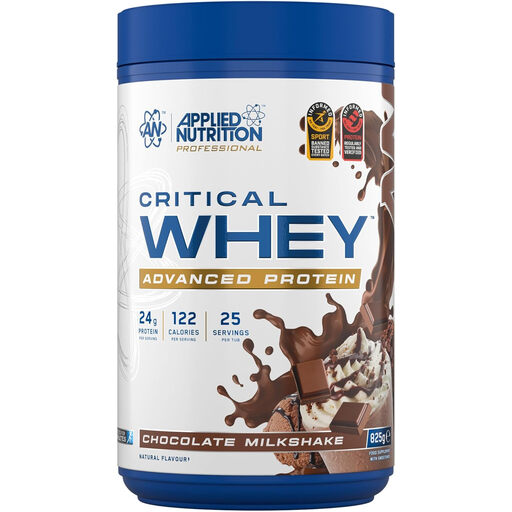
Why it suits this profile: A medium-sized pack is a practical way to try whey protein without immediately choosing a large format.
The product information states approximately 23.6 grams of protein per 33-gram serving. Check the exact nutritional values for your chosen flavour on the label.
Whey concentrate, whey isolate and hydrolysed whey protein; suitable for a shake after exercising or as a snack between meals.
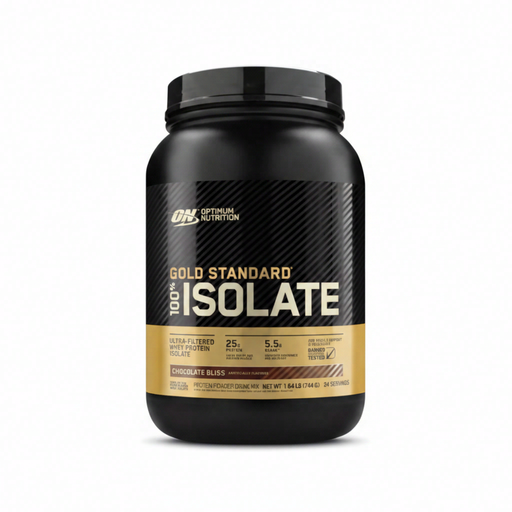
Why it suits this profile: This product is aimed at anyone looking for a whey isolate with a straightforward formula for everyday use.
The serving size is clearly specified: approximately 31 grams of powder with 25 grams of protein, less than 1 gram of carbohydrates and less than 0.5 grams of fat, according to the product information.
930 grams of product, approximately 31 servings and a formula based on whey protein isolate.
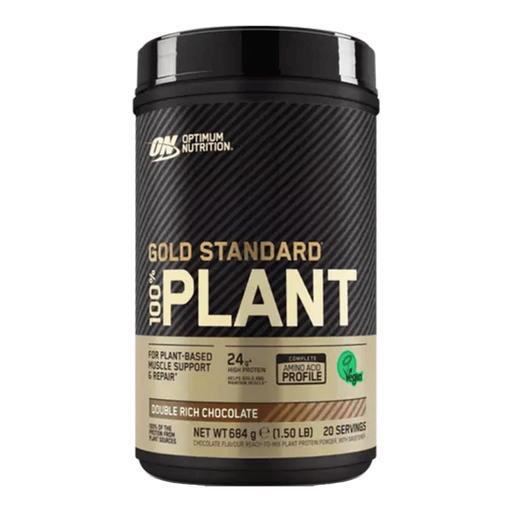
Why it suits this profile: A plant-based blend of pea and rice protein is well suited to a vegan or vegetarian diet.
The product description explicitly mentions pea and rice protein. However, check the current packaging for possible traces of milk, soya, gluten, egg, nuts and peanuts.
24 grams of plant-based protein per serving; can be mixed with water or plant-based milk.
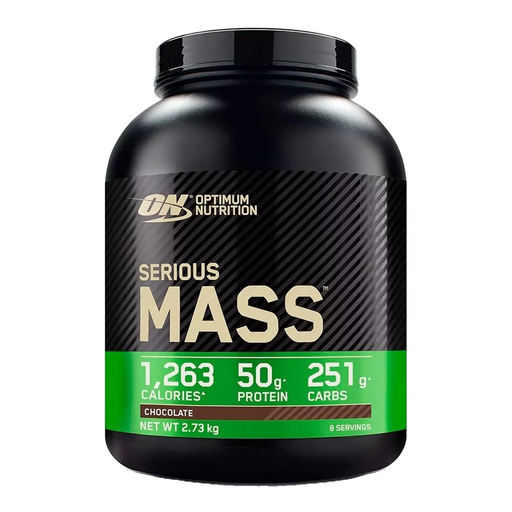
Why it suits this profile: Suitable for adults who struggle to consume enough calories and are looking for a weight gainer alongside their regular meals.
The high nutritional value is clearly stated. This means you can include the shake in your calorie plan rather than treating it like regular whey.
50 grams of protein, approximately 250 to 253 grams of carbohydrates and creatine monohydrate per serving, according to the product information.
We have put together a complete, up-to-date list of products that fully meet these strict selection criteria and the applicable European safety regulations.
You can use a protein shake after exercising as a practical way to supplement your daily protein intake. The exact timing is less important than your overall diet. Always follow the recommended serving size on the label.
Keep the powder sealed in a cool, dry and dark place. Check the best-before date and batch code on the packaging. Do not use a product that has become damp, smells unusual or has visibly changed in texture.
Not always. Compare the price per serving, grams of protein per serving, the number of servings and the nutritional value. A larger pack is only practical if you like the flavour and use the product regularly. If you have allergies or intolerances, always check the current ingredients list as well.
