
Vandaag of morgen in huis

Kwaliteit gegarandeerd

Welkomstaanbiedingen ontgrendelen: GRATIS bezorging | Tot 80% korting | Gratis 30 dagen JoyPlus-proefperiode
Download de app
When you search for protein powder and collagen, you’ll quickly come across dozens of options: whey protein, collagen powder, marine collagen, casein protein, vegan protein powder and weight gainers. The packaging often promises quick results, but the main differences lie in the ingredients, serving size and how well each product suits your diet.
As a Joybuy Product Recommendation Officer, I look past the marketing language and focus on verifiable product information. This helps you avoid paying for a large pack with relatively little active ingredient, a flavour you won’t use or ingredients that don’t suit your diet.
A tub of almost a kilo may look like a good deal, but always check the number of servings and the amount of protein per serving. A weight gainer, for example, contains plenty of carbohydrates and calories as well as protein. That may suit someone who wants to increase their energy intake, but may be less suitable if you simply want to top up your daily protein intake.
Collagen powder provides collagen peptides and may be enriched with ingredients such as vitamin C or hyaluronic acid. It’s a different type of product from whey protein or vegan protein powder. So, consider whether your main goal is a collagen supplement or extra protein around your strength training.
Brands may only make health claims in line with the applicable European regulations. Claims about skin, hair, nails or joints aren’t automatically proven to apply to everyone. Check the ingredients list and directions for use, rather than relying solely on prominent claims on the front of the pack.
Check the full allergen information. Whey contains milk, and some products also contain soya. Marine collagen may contain fish, while bovine collagen isn’t suitable for a vegetarian or vegan diet. Even if a product is described as gluten-free, the label may still warn that it could contain traces.
Don’t just compare the total weight; focus on the contents per recommended serving. Here are some examples from the range:
These figures aren’t directly comparable: whey is intended as a source of protein, while collagen powder provides a specific type of protein.
Choose according to the source:
Check the label again every time you buy. Formulas, serving sizes and warnings may change.
A protein shake you use every day needs to be practical. Check the recommended amount of liquid, the number of servings and the flavour. Unflavoured collagen powders are easy to mix into coffee, tea, smoothies or yoghurt. Flavoured whey is better suited to a ready-to-mix protein shake made with water or milk.
Also check for sweeteners, thickeners and enzymes if you’re sensitive to them. Even if a product description says it mixes easily, how it feels in practice may still depend on the liquid you use.
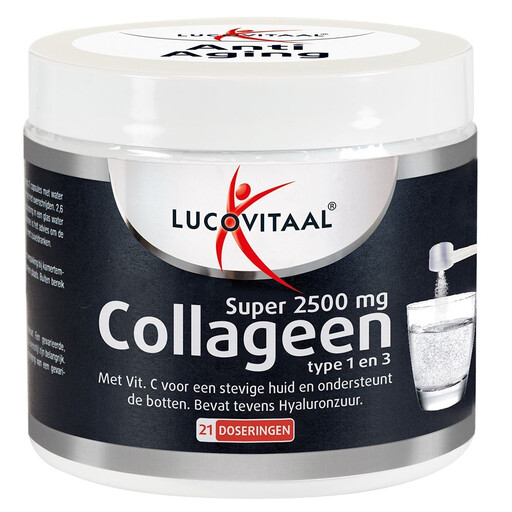
Why it suits this profile: A small pack with 21 servings is a practical way to try collagen powder before buying a large supply.
The product information clearly lists 2,500 mg of collagen per serving, plus 60 mg of vitamin C and 20 mg of hyaluronic acid. This makes it easy to see how much you’re getting per serving.
21 individual servings, in powder form, with added vitamin C. According to the product specifications, it isn’t vegan.
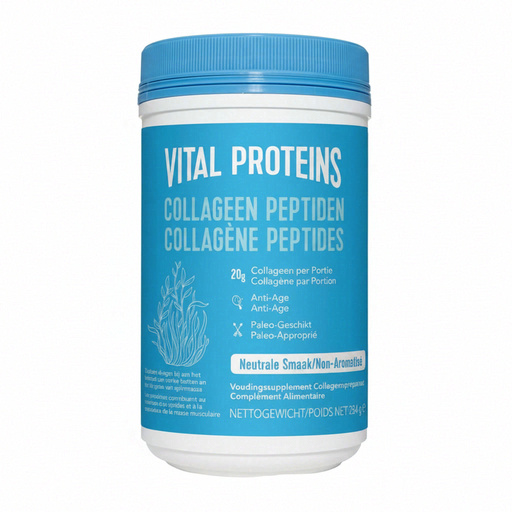
Why it suits this profile: This unflavoured formula provides a generous serving of collagen, making it a good fit for people who want to mix the powder into hot or cold drinks and meals every day.
The pack lists 20 grams of bovine collagen peptides per serving and just one ingredient, making the composition easy to understand.
284 grams, 14 servings, and gluten-free according to the product information. Suitable for hot or cold recipes. May contain traces of milk.

Why it suits this profile: For sportspeople looking for a post-workout protein powder with a high protein content and little sugar per serving.
The product specifications list 25 grams of protein, less than 1 gram of carbohydrates and less than 0.5 grams of sugar per 31-gram serving.
31 servings per pack, with whey isolate as the protein source and a vanilla flavour. Contains milk and soya.
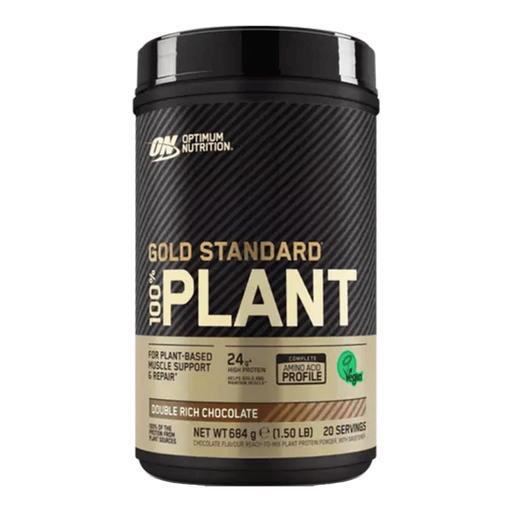
Why it suits this profile: The blend of pea and rice protein suits adults looking for a vegan protein powder without milk.
The product description lists a plant-based formula with 24 grams of protein per serving. Do check the warning about possible traces of milk, gluten, egg, soya, nuts and peanuts.
684 grams, 20 servings and a blend of pea and rice protein. Suitable for mixing with water or plant-based milk.
We’ve put together a complete, up-to-date list of products that meet these strict selection criteria and the applicable European safety regulations.
You can, but they’re different supplements. Protein powder, such as whey, casein or a plant-based blend, is intended to top up your protein intake. Collagen powder provides collagen peptides. Consider your overall diet and follow the serving instructions on both packs.
You can have a protein shake after exercise, or at another time when you want to add extra protein. The exact timing matters less than your overall protein intake, usual meals and training schedule. Always follow the recommended serving on the label.
The shelf life is shown on the packaging. Seal the tub or bag tightly after use and store the powder in a cool, dry place, away from direct sunlight. Don’t use a product that smells unusual, has clumped due to moisture or has damaged packaging. Food supplements should not be used as a substitute for a varied diet and healthy lifestyle.
