
Vandaag of morgen in huis

Kwaliteit gegarandeerd

Welkomstaanbiedingen ontgrendelen: GRATIS bezorging | Tot 80% korting | Gratis 30 dagen JoyPlus-proefperiode
Download de app
Protein powder can be a practical addition to your daily diet. However, it can be difficult to compare whey protein, whey isolate, casein protein and vegan protein powder fairly. A large tub, eye-catching claims or a long ingredients list do not automatically indicate whether a product is right for your needs.
The right choice mainly depends on your protein requirements, diet, tolerance of dairy ingredients and how you plan to use the product. Below, you’ll find the key points to check, along with several product options for different user profiles.
A product may contain a high amount of protein per 100 grams, yet provide relatively little protein per serving if the recommended scoop is particularly large or small. Always compare:
For example, a whey blend may contain whey concentrate, whey isolate and hydrolysed whey. That is not the same as a product made exclusively from whey isolate.
According to the health claim authorised in the EU, protein contributes to the growth and maintenance of muscle mass when the product contains sufficient protein. This does not mean that protein powder builds muscle mass on its own. Training, your overall diet, rest and your individual protein requirements remain decisive factors.
Claims about rapid absorption, recovery or a “complete amino acid profile” should be treated as product information provided by the brand. Check the nutrition table and ingredients list rather than relying solely on the front of the packaging.
A mass gainer contains a large amount of carbohydrates and calories in addition to protein. This can be useful when you deliberately want to consume extra energy, but unnecessary if you simply want to supplement your protein intake. Also check the recommended number of scoops. A pack weighing several kilos may contain relatively few servings if each serving is very large.
Whey protein comes from milk and is often used as a protein shake after exercise or between meals. A whey blend contains several forms of whey protein. Whey isolate consists mainly of whey protein isolate and generally contains less carbohydrate and fat than many standard blends. However, check the exact values for each flavour.
Casein protein is also obtained from milk. Brand product information often describes micellar casein as slow-digesting. As a result, casein is often chosen for use before bed or during longer periods between meals. It remains a dairy product and is therefore not suitable for vegans.
A vegan protein powder may contain pea, rice, soya or other plant-based protein sources. According to the product information, the Optimum Nutrition Gold Standard Plant Protein in this selection uses a blend of pea and rice protein. If you have allergies, always check the “may contain traces of” warning, as manufacturing facilities may also process milk, soya, gluten, eggs or nuts.
Don’t just look for terms such as “high protein”. In the product specifications provided, the amount of protein per serving ranges from approximately 21 to 27 grams across various whey and beef protein products. Isolate products often list low levels of fat and carbohydrates, whereas a mass gainer is deliberately high in carbohydrates and calories.
Also check:
A protein shake is only practical if the serving size fits into your routine. Many products are mixed with water, milk or a plant-based alternative. The amount of liquid varies from product to product, so follow the instructions on the label.
You don’t have to take protein powder at a fixed time after exercise. You can also have a shake at breakfast, between meals or during a busy working day when you need extra protein. With a mass gainer, it’s sensible to first check how many calories one serving adds to your usual diet.

Why it suits this profile: The 300-gram pack is ideal for trying a whey blend without immediately buying a large supply. The product information lists approximately 24 grams of protein per serving of around 32 grams.
You don’t have to buy a multi-kilo pack straight away. The nutritional values, serving size and allergens are clearly listed with the product.
24 grams of protein per serving; available in a small pack; intended for adults who want to supplement their daily protein intake.

Why it suits this profile: This whey isolate provides 25 grams of protein per serving of approximately 31 grams, with less than 1 gram of carbohydrates. That makes it suitable for athletes who track their macros carefully.
The choice is based on the stated nutritional values and protein source, not just terms such as rapid absorption or premium formula.
25 grams of protein per shake; whey isolate as the main ingredient; 31 servings per pack; low in fat and sugar according to the product information.
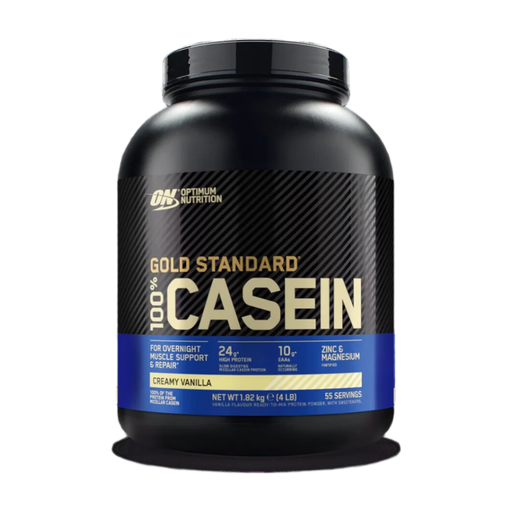
Why it suits this profile: This casein protein is intended for adults looking for a protein source between meals or before bed. The product information lists 24 grams of protein per serving.
Its purpose is clearly defined: this is neither a mass gainer nor a vegan product. That means you won’t end up buying a formula that doesn’t suit your dietary goal.
Micellar casein according to the product description; 1,800 grams of content; suitable for use between meals or before bed.
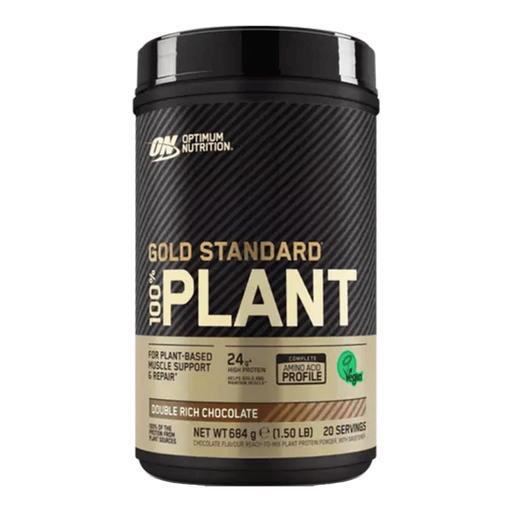
Why it suits this profile: According to the product information, this plant-based protein uses pea and rice protein and provides 24 grams of protein per serving of approximately 36 grams.
The protein sources and potential traces of milk, gluten, eggs, soya and nuts are listed. Check the packaging again if you have an allergy or intolerance.
24 grams of plant-based protein per serving; blend of pea and rice protein; 20 servings; suitable for vegan and vegetarian diets according to the product information.
We’ve put together a complete, up-to-date list of products that fully meet these strict selection criteria and the applicable European safety regulations.
You can use a protein shake after exercise as a practical way to supplement your daily protein intake. There is no universally required time to take it. Choose a time that fits into your overall diet and follow the serving instructions on the label.
Store the product in a cool, dry place, tightly sealed and away from direct sunlight. Check the best-before date and batch number on the packaging. Do not use it if its smell, taste, colour or texture has clearly changed.
Most of the products mentioned are intended for healthy adults. Whey and casein contain milk; some products also contain soya, gluten or other potential allergens. If you are pregnant, breastfeeding, taking medication or have a medical condition, consult a healthcare professional first. A supplement is not a substitute for a varied diet.
