
Vandaag of morgen in huis

Kwaliteit gegarandeerd

Welkomstaanbiedingen ontgrendelen: GRATIS bezorging | Tot 80% korting | Gratis 30 dagen JoyPlus-proefperiode
Download de app
Want to buy protein powder, but no longer know what you need among terms such as whey protein, whey isolate, vegan protein powder, weight gainer and mass gainer? Packaging often makes extensive promises, while the real differences usually come down to nutritional values, ingredients, serving size and intended use.
For adults who do sports, work out or simply want to supplement their daily protein intake, a practical comparison is more valuable than a striking marketing claim. Below, you’ll find the key points to check before ordering a protein shake.
A bag weighing several kilograms can look attractive on a per-kilogram basis. However, also check the number of servings and the weight of each serving. For example, a weight gainer may prescribe a serving of several hundred grams, while standard whey typically contains around 25 to 33 grams per serving.
Therefore, compare:
Standard whey protein is intended as a supplement with relatively few calories. A mass gainer, on the other hand, contains substantial amounts of carbohydrates and calories to increase total energy intake. This may suit someone who has difficulty gaining weight, but it makes less sense if you are only looking for extra protein.
Always check the nutrition table per serving. Pay particular attention to protein, carbohydrates, sugars, fats and energy. Do not rely solely on a percentage displayed on the front of the package.
“Chocolate”, “Double Rich Chocolate” or “Chocolate Peanut Butter” primarily describes the flavour. The formulation can differ considerably from one product to another. Check the ingredients list for milk, soy, egg, gluten, nuts and sweeteners. If you have allergies or intolerances, follow the current packaging; product formulas may change.
Whey protein concentrate contains whey protein, but generally also more lactose, fat and carbohydrates than an isolate. Exact values vary by product.
Whey isolate undergoes further filtration. As a result, it may have a higher protein percentage, while fat and carbohydrate levels may be lower. Applied Nutrition ISO-XP, for example, lists 22.5 grams of protein per 25-gram serving, with 0.1 grams of carbohydrates and 0.4 grams of fat per serving according to the supplied product information.
A protein blend combines different sources, such as whey concentrate, whey isolate and hydrolysed whey protein. Optimum Nutrition Gold Standard 100% Whey lists a blend containing 93% whey protein blend and approximately 24 grams of protein per serving of around 31 grams.
None of these types is automatically suitable for everyone. Choose based on your nutritional goals, tolerance, flavour preferences and budget.
Vegan protein powder contains no milk protein. Many formulas combine pea and rice protein. According to the product description, Optimum Nutrition 100% Gold Standard Plant Protein contains pea and rice protein and provides 24 grams of plant-based protein per serving of approximately 36 grams.
Pay attention to the difference between “suitable for vegetarians” and “vegan”. Also always check the allergen information. A product may be vegan according to its ingredients, yet manufactured in an environment where milk, soy, egg, gluten or nuts are present.
Protein powder for athletes is usually mixed with water, milk or a plant-based drink. The amount of liquid affects the flavour and nutritional value of the prepared shake. Using milk generally increases the number of calories and the protein content.
Use the product according to the label and treat a protein shake as a supplement to a varied diet. Under permitted EU health claims, protein contributes to the growth and maintenance of muscle mass, but the product does not replace training, meals or a balanced diet.
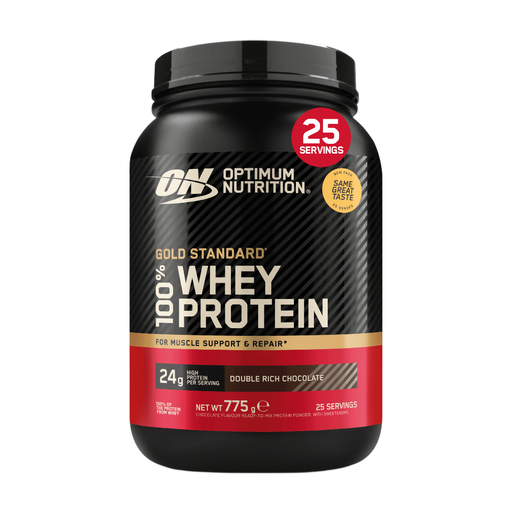
Why it fits: A medium-sized package is practical when you first want to try a flavour and establish a daily routine.
The package lists approximately 24 g of protein per serving of around 31 g. This makes it easy to compare servings and price.
Whey isolate, concentrate and hydrolysed whey peptides combine to form the protein blend; the flavour is Double Rich Chocolate.
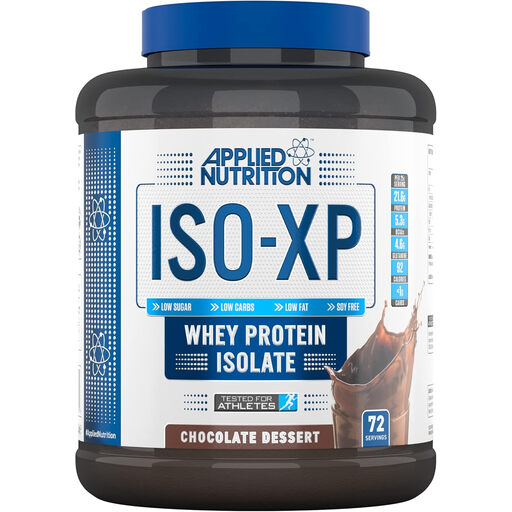
Why it fits: Suitable for active adults who want plenty of protein and few carbohydrates per shake.
The nutritional values show exactly what you are getting: 22.5 g of protein per 25 g serving, rather than just a marketing percentage.
The product information lists approximately 72 servings, 0.1 g of carbohydrates and 0.4 g of fat per serving.
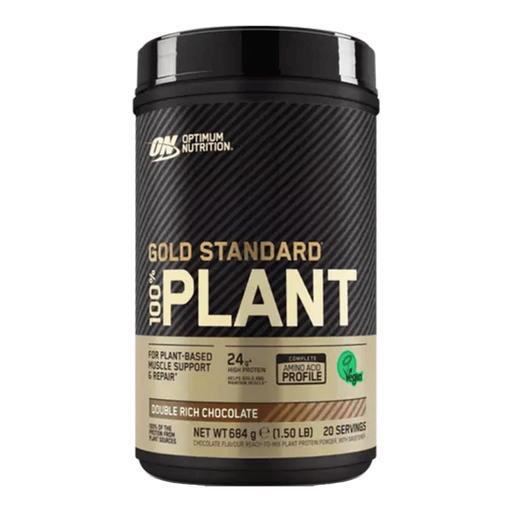
Why it fits: A plant-based option for adults who avoid milk protein but still want a convenient protein shake.
The description explicitly identifies a blend of pea and rice protein and a target audience of vegans and vegetarians.
According to the product information, one serving of approximately 36 g provides 24 g of plant-based protein.
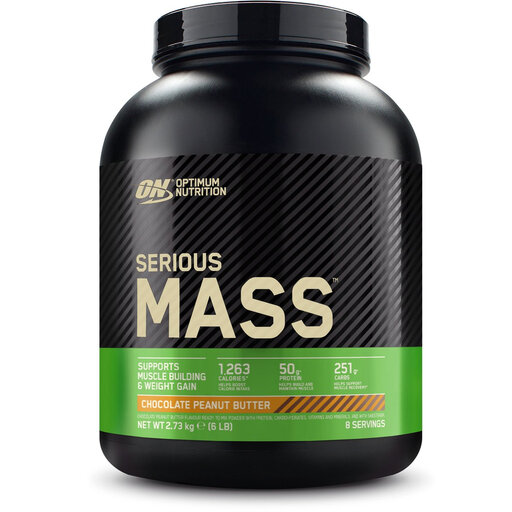
Why it fits: Designed for adults looking for significantly more calories and carbohydrates alongside their protein.
The very large serving size makes it immediately clear that this is not an ordinary whey shake. Therefore, check your total calorie requirements.
According to the product information, one serving contains 50 g of protein, 250 g of carbohydrates and approximately 1,269–1,292 kcal.
Explore a current selection of products and compare flavour, quantity and intended use before ordering.
First, look at the amount of protein per serving and the overall formulation. Whey, whey isolate and a plant-based protein blend can all form part of a high-protein diet. The right choice depends on your diet, tolerance, flavour preferences and calorie needs. Under permitted EU claims, protein supports the growth and maintenance of muscle mass; training and nutrition remain decisive for your results.
Whey isolate generally contains less lactose than whey concentrate, but it is not automatically lactose-free. Check the current ingredients and allergen information. Whey is not suitable if you have a milk allergy. If in doubt, seek advice from a doctor or dietitian.
This varies by product and storage conditions. Reseal the packaging after each use, store the powder in a dry place, and follow the best-before date and instructions on the label. Do not use a product whose smell, colour or texture has clearly changed.
