
Vandaag of morgen in huis

Kwaliteit gegarandeerd

Welkomstaanbiedingen ontgrendelen: GRATIS bezorging | Tot 80% korting | Gratis 30 dagen JoyPlus-proefperiode
Download de app
Protein powder can be useful if you are an athlete, fitness enthusiast or active person looking to supplement your daily protein intake. However, terms such as premium, isolate or fast absorption on the packaging do not automatically mean you are paying for the right product. The ingredients, serving size and nutritional value are far more important.
In this buying guide from the Joybuy Product Recommendation Officer, you will learn what to look for in protein powder, whey protein, plant-based protein powder and beef protein. We also discuss three common purchasing pitfalls and match different products to specific user profiles.
A high protein percentage per 100 grams does not tell you everything. Also check the serving size. For example, a product may contain 75 grams of protein per 100 grams, but provide less protein per scoop than a whey isolate with a smaller serving size and higher protein content.
Therefore, always check:
Whey isolate mainly contains whey protein isolate according to the product composition, and often has less carbohydrate and fat than a standard whey blend. This does not automatically mean the product is suitable for everyone with lactose intolerance or a milk allergy. Most whey products contain milk ingredients and may also contain soya through lecithin.
So read the allergen information carefully. Also note the difference between:
A protein shake with a dessert or coffee flavour may sound appealing, but different flavours can have different nutritional values. Pay particular attention to the sugar content and sweeteners used. “Sugar-free” does not always mean that a product contains no sweeteners.
If you are looking for low-sugar protein powder, it is better to compare the nutritional table rather than just the front of the packaging. Also check whether the flavour contains milk, gluten, soya or other allergens.
For many athletes, whey protein is a practical choice thanks to its high protein concentration and easy preparation. A blend of whey concentrate, whey isolate and hydrolysed whey may be suitable for everyday use. However, the protein content varies from product to product.
Whey isolate may be appealing to people who want to keep their fat and carbohydrate intake low. According to the supplied product information, Optimum Nutrition 100% Gold Standard Isolate Vanilla provides 25 grams of protein per 31-gram serving, with less than 1 gram of carbohydrate and less than 0.5 grams of sugar per serving.
For a protein shake after exercise, it is practical to look for around 20 to 25 grams of protein per serving. This is not a fixed personal standard; your overall needs depend, among other things, on your body weight, diet and training goals.
Examples from the range:
Whey contains milk. Many whey formulas also contain soya lecithin. A plant-based product may be suitable for vegans, but also check the production site, as milk, gluten, eggs, nuts or peanuts may be processed there.
With a beef protein product, check that the ingredients list does not contain milk or soya. If you have known allergies or medical conditions, carefully check the label and warnings and consult a healthcare professional if necessary.

Why it suits this profile: The pack contains 31 servings, with 25 grams of protein in each serving. This makes it easy for beginners to compare the amount of protein per shake.
The nutritional information lists protein, sugar, fat and carbohydrates per serving, so you do not have to rely solely on the term isolate.
25 grams of protein per serving, less than 1 gram of carbohydrate and less than 0.5 grams of sugar, according to the supplied product specifications.
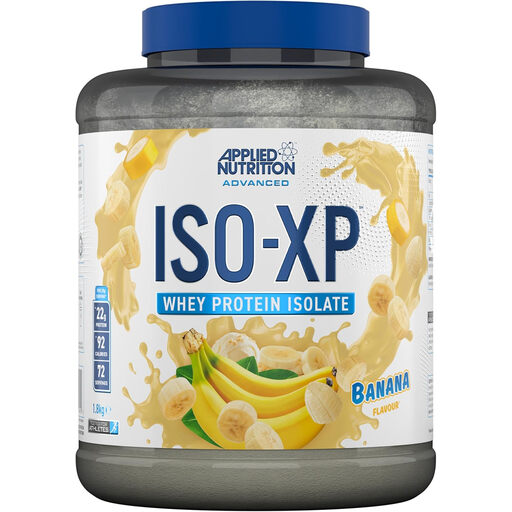
Why it suits this profile: The large pack is aimed at frequent users who regularly take protein powder after exercise or at other times of the day.
The supplied table lists 22.5 grams of protein per 25-gram serving. This prevents confusion between the percentage of whey isolate as an ingredient and the protein percentage of the finished product.
22.5 grams of protein, approximately 0.09 grams of sugar and 0.24 grams of fat per serving, according to the product specifications.
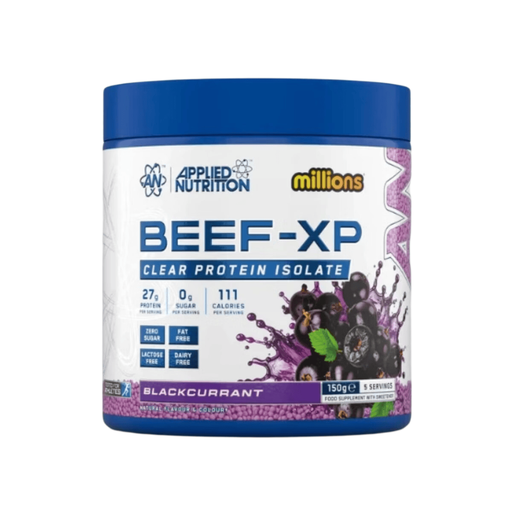
Why it suits this profile: This beef protein is intended for adults who want to avoid whey or soya and are looking for an alternative made from beef protein.
The source is listed as beef protein isolate. However, always check the current label when buying, as ingredients and warnings may change.
Approximately 27.2 grams of protein and less than 0.1 grams of sugar per 30-gram serving, according to the stated nutritional values.
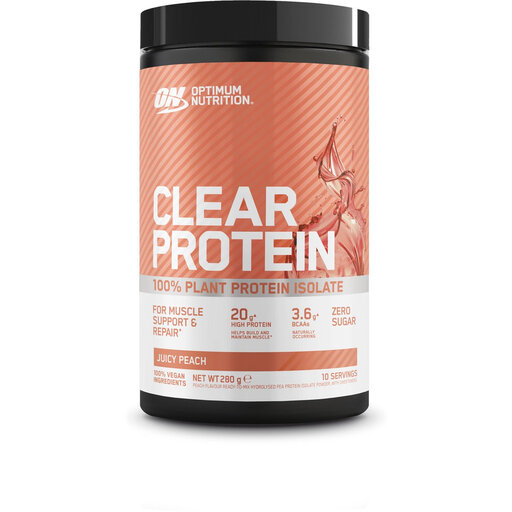
Why it suits this profile: The plant-based formula provides 20 grams of protein per serving and, according to the product information, is suitable for vegans.
The product description explicitly states that it is 100% plant-based and contains zero sugar. Nevertheless, check the allergen information, as the production site handles multiple allergens.
20 grams of protein per 28-gram serving, with no sugar according to the supplied product information.
We have put together a complete, up-to-date list of products that fully meet these strict selection criteria and the applicable European safety regulations.
You can have a protein shake after exercise as a practical way to supplement your daily protein intake. The exact timing is less important than your overall diet throughout the day. Always follow the dosage instructions on the label and do not use a supplement as a replacement for a varied diet.
The shelf life is stated on the packaging. Store the powder in a dry, cool place, securely sealed and away from direct sunlight and moisture. Do not use a product if its smell, colour or texture has noticeably changed. With an opened pack, also check that no lumps have formed due to moisture.
Vegan or plant-based protein powder can provide protein as part of a diet containing sufficient energy and nutrients. Check the protein content per serving and the plant-based source, such as soya or another protein isolate. The authorised EU claim that protein contributes to the growth and maintenance of muscle mass applies when the conditions for the claim are met.
