
Vandaag of morgen in huis

Kwaliteit gegarandeerd

Welkomstaanbiedingen ontgrendelen: GRATIS bezorging | Tot 80% korting | Gratis 30 dagen JoyPlus-proefperiode
Download de app
Protein powder can be a useful addition for athletes, fitness enthusiasts and active adults. However, you may sometimes be paying mainly for eye-catching packaging, a long list of ingredients or a marketing claim that says little about the contents. If you compare products carefully, start by looking at the protein source, nutritional values and how you intend to use it.
Do not compare only the total contents. Also look at the number of servings and the amount of protein per serving. For example, a 2-kilogram pack may contain less protein per scoop than a smaller bag of whey isolate. Therefore, calculate the price per serving and, if useful, the price per 20 or 25 grams of protein.
Check the nutrition table. Ghost Clear Whey, for example, lists 0 grams of sugar per serving, while the Caramel Latte version of Applied Nutrition Critical Whey contains 2.6 grams of sugar per serving according to the supplied product information. This shows that the nutritional profile can vary from one flavour to another.
A sweet flavour is also often provided by sweeteners such as sucralose or acesulfame-K. If you prefer to limit these ingredients, check the ingredients list rather than relying only on the front of the packaging.
Some products contain lactase, but that does not mean they are lactose-free or suitable for everyone with lactose intolerance. Whey products generally contain milk ingredients. If you have an allergy or intolerance, always check the current packaging and allergen information.
Whey protein powder is made from milk. Whey concentrate generally contains somewhat more carbohydrates and fat than whey isolate. Whey isolate is more highly filtered and, according to the supplied product details for Optimum Nutrition, contains 25 grams of protein, less than 0.5 grams of fat and less than 0.5 grams of sugar per 31-gram serving.
Vegan protein powder or plant-based protein powder uses ingredients such as pea and rice protein. Optimum Nutrition Gold Standard Plant Protein provides 24 grams of plant-based protein per serving of approximately 36 grams. With vegan products, be sure to check the allergen information: a product may be processed in a facility where milk, soya, gluten or nuts are present.
Beef protein is an alternative for consumers who want to avoid whey or soya. Applied Nutrition Beef-XP lists 27.2 grams of protein per 30-gram serving, with less than 0.1 grams of sugar. Here too, always check the current packaging, particularly if you follow a specific diet.
A serving containing 20 to 25 grams of protein often fits well into a daily protein plan, but the right amount depends on your overall diet and activity levels. Alongside the amount per serving, also look at the percentage of protein in the powder.
Examples from the range:
A higher amount of protein per scoop does not automatically mean the product is a better match for you. Flavour, mixability, dietary preferences and price per serving are just as practical.
If you want low-sugar protein powder, check the values per serving. The Optimum Nutrition Gold Standard Isolate variants list less than 0.5 grams of sugar per serving. Ghost Clear Whey lists 0 grams of sugar per serving, but does contain sweeteners.
Pay extra attention to caffeine in coffee or energy flavours. According to the product information, Applied Nutrition Critical Whey Caramel Latte contains 100 mg of caffeine per 33-gram serving. This may be relevant if you use the product in the evening or already consume caffeine from other sources.
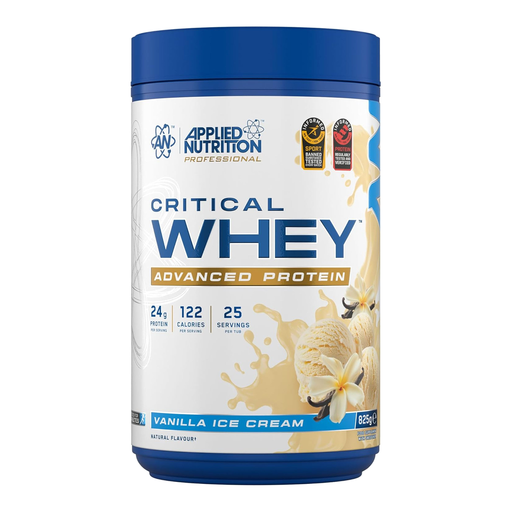
Why it suits this profile: A straightforward whey blend for anyone looking to add extra protein to their daily diet without immediately buying a large pack.
The product information states approximately 20 grams of protein per serving and gives clear preparation instructions using 30 grams of powder with water.
Whey concentrate, whey isolate and hydrolysed whey; suitable for use after exercise or as a high-protein snack.
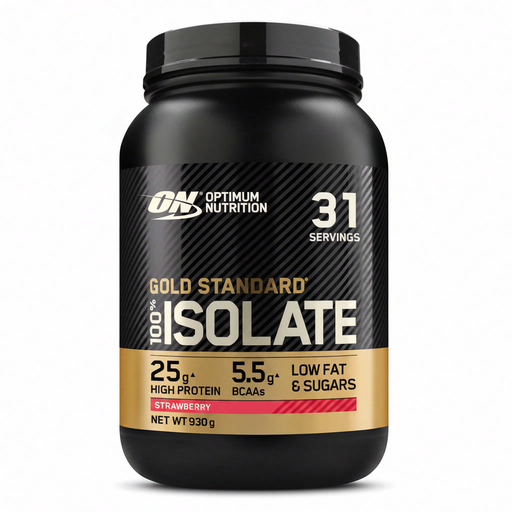
Why it suits this profile: For athletes who value a high protein percentage and low sugar and fat levels per shake.
The nutritional information lists 25 grams of protein, less than 0.5 grams of sugar and less than 0.5 grams of fat per serving.
Whey isolate, 31 servings and a choice of flavours including strawberry, vanilla and chocolate.
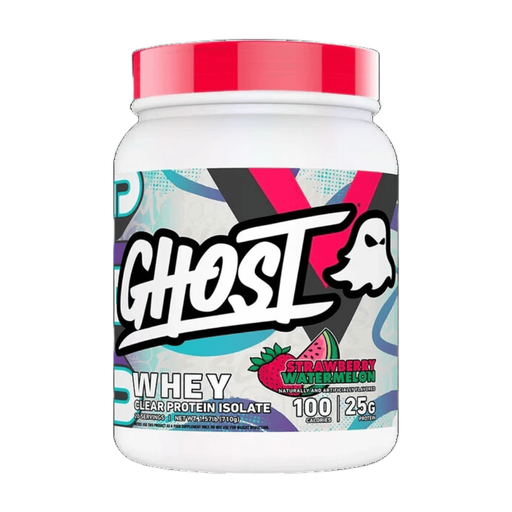
Why it suits this profile: A clear whey for anyone who would rather drink a light, refreshing protein shake than a creamy shake.
The serving size, preparation quantity of approximately 475 ml of water and temporary foaming are clearly stated.
25 grams of protein and 0 grams of sugar per serving; contains milk and is, according to the product information, free from soya and gluten.
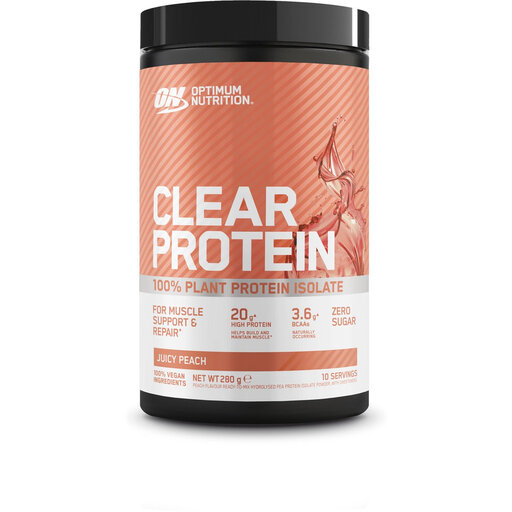
Why it suits this profile: A plant-based clear shake for anyone looking for vegan protein powder without dairy and sugar.
The serving is clearly specified as 28 grams with 20 grams of protein, and preparation requires 600 ml of cold water.
100% plant-based protein isolate, 20 grams of protein per serving and, according to the product information, approved by the Vegan Society.
We have put together a complete, up-to-date list of products that fully meet these strict selection criteria and the applicable European safety regulations.
A protein shake can be used at breakfast, between meals or after exercise. The timing is less important than your total daily protein intake and usual eating pattern. Always follow the recommended serving instructions on the label and do not use a supplement as a substitute for a varied diet.
If you train intensively, also pay attention to the ingredients. A shake containing caffeine may be more suitable before a workout than late in the evening. Clear whey is practical for taking on the go, while creamy whey can work well in porridge or a smoothie.
No, protein powder is not essential. However, it can be a practical way to add extra protein when getting enough from ordinary food is difficult. According to approved nutrition claims, protein contributes to the growth and maintenance of muscle mass as part of a varied diet and suitable training plan.
Whey isolate is more highly filtered and generally contains less fat and fewer carbohydrates than whey concentrate. The exact values vary by brand and flavour. Therefore, always check the nutrition table for each serving.
Check the best-before date and batch number on the packaging. Store the powder tightly sealed in a cool, dry and dark place. Do not use it if the seal is damaged or if its smell, colour or texture has clearly changed.
