
Vandaag of morgen in huis

Kwaliteit gegarandeerd

Welkomstaanbiedingen ontgrendelen: GRATIS bezorging | Tot 80% korting | Gratis 30 dagen JoyPlus-proefperiode
Download de app
Protein powder can be useful when you are an athlete, fitness enthusiast or active person looking to add extra protein to your daily diet. However, a large pack, eye-catching claim or popular flavour does not guarantee that the product is right for your goals. If you only look at the front of the packaging, you may end up paying for lots of calories, sweeteners or unnecessary ingredients.
The main pitfalls are:
Do not just look at the number of grams of protein per scoop. Also compare the percentage per 100 grams. Standard whey protein often contains around 20 to 25 grams of protein per 30-gram serving. For example, the product information for Optimum Nutrition Gold Standard 100% Whey states that it contains around 24 grams of protein per serving of approximately 30 grams.
Also pay attention to calories, fats, carbohydrates and sugars. A standard protein shake is primarily intended to supplement your protein intake. A weight gainer, on the other hand, has a much higher energy value. Optimum Nutrition Serious Mass Strawberry lists 50 grams of protein, approximately 250 grams of carbohydrates and around 1,269 to 1,292 kcal per serving. This may suit someone who deliberately wants to consume more calories, but not someone simply looking for a light protein shake.
According to the product information, Optimum Nutrition Gold Standard Whey contains milk and soya. Applied Nutrition Beef-XP lists a beef protein isolate and no allergens in the ingredients list, but the manufacturer still recommends checking the label. Product formulas may change.
A powder you use every day should fit into your routine. Check:
Clear whey usually has a lighter, more refreshing texture than a creamy protein shake. According to the product information, Ghost Clear Whey Strawberry Watermelon contains 25 grams of protein and approximately 100 kcal per serving. The recommended preparation is approximately 475 ml of water; after shaking, the foam should be allowed to settle briefly.
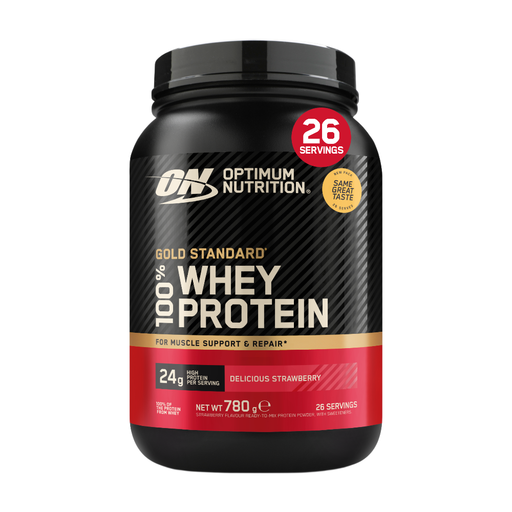
Why it suits this profile: A medium-sized pack with approximately 26 servings lets you try whey protein as part of your daily routine without immediately buying a very large pack.
The product information states 24 grams of protein per 30-gram serving and approximately 112 kcal. This allows you to assess the protein content and calories side by side.
24 grams of protein per serving, approximately 26 servings and preparation with 180–240 ml of water or milk.

Why it suits this profile: Suitable for users looking for a whey isolate with a clear composition and a relatively low fat and carbohydrate content.
The nutritional information lists 25 grams of protein, less than 1 gram of carbohydrates and less than 0.5 grams of fat per 31-gram serving.
25 grams of protein per serving, approximately 31 servings and a composition based on whey protein isolate.
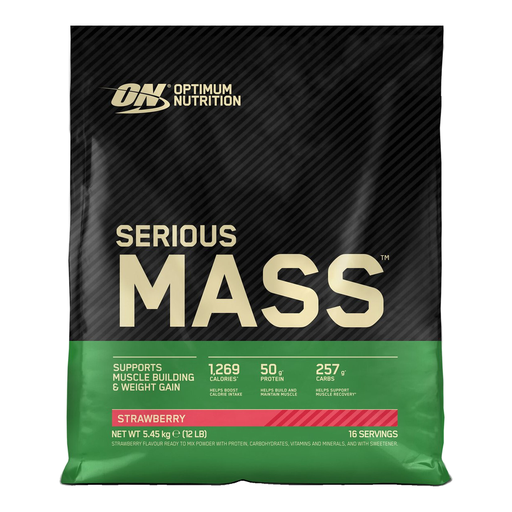
Why it suits this profile: Designed for adults with high calorie requirements who want to add plenty of carbohydrates and energy as well as protein.
The high serving value is clearly stated: approximately 1,269–1,292 kcal, 50 grams of protein and 250 grams of carbohydrates. This makes it less likely to be confused with standard protein powder.
50 grams of protein per serving, a large 5.45 kg pack and added carbohydrates for a higher energy intake.
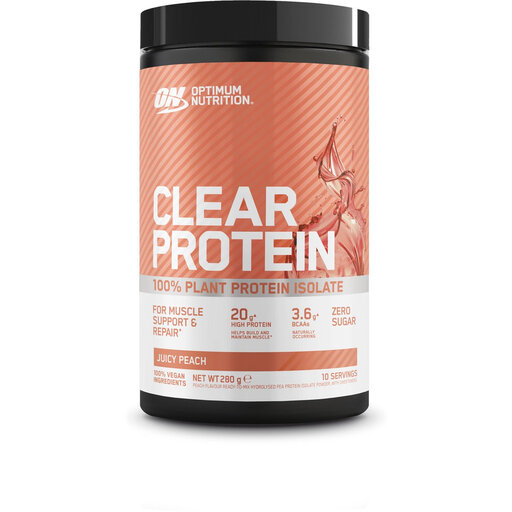
Why it suits this profile: A plant-based, non-creamy drink for anyone looking for vegan protein powder and who prefers a refreshing peach flavour mixed with water.
The product information describes it as 100% plant-based protein isolate, with 20 grams of protein per serving and no sugar. Always check the current packaging and allergen information.
20 grams of protein per serving, vegan according to the product information and prepared with approximately 600 ml of cold water.
We have put together a complete, up-to-date list of products that fully meet these strict selection criteria and the applicable European safety regulations.
A protein shake can be used after exercise, between meals or at another time of day when you want to add extra protein. The exact timing is less important than your overall daily diet. Always follow the dosage instructions on the label.
Check the best-before date and store the powder in a cool, dry place in a tightly sealed container. Moisture can cause clumping and alter the texture. Do not use the product if the packaging is damaged or if its smell, taste or appearance has clearly changed.
Calculate the price by dividing the purchase price by the stated number of servings. Then compare the number of grams of protein per serving. A large pack is not automatically better value if a serving contains lots of additional carbohydrates or calories that you do not need.
Protein powder is a supplement to a varied diet, not a replacement for regular meals. If you have a medical condition, take medication or follow a protein-restricted diet, consult a doctor or dietitian first.
