
Vandaag of morgen in huis

Kwaliteit gegarandeerd

Welkomstaanbiedingen ontgrendelen: GRATIS bezorging | Tot 80% korting | Gratis 30 dagen JoyPlus-proefperiode
Download de app
You may want to increase your daily protein intake, enjoy a protein shake after exercising or add extra calories to your diet. Yet many tubs of protein powder look remarkably similar. The differences often come down to the protein source, nutritional values, serving size and allergen information. If you focus solely on a bold claim or a low price, you may end up buying a product that does not suit your diet or intended use.
This buying guide from the Joybuy Product Recommendation Officer helps you compare the most important specifications. The information provided is based on the product descriptions and nutritional values available at the time of publication. Always check the current label before use.
A brand may, for example, promote a formula containing 95% whey protein isolate. This does not automatically mean that the finished product contains 95 grams of protein per 100 grams. Applied Nutrition ISO-XP lists 95% whey protein isolate as an ingredient, while the nutritional information for the finished powder states 90 grams of protein per 100 grams.
Always check the following:
A plant-based protein powder may be suitable for vegans, but manufacturing facilities may also process milk, soy, gluten, eggs, nuts or peanuts. This is particularly important if you have allergies or intolerances. Read the allergen information on the packaging and do not rely solely on the product name.
A bag weighing several kilograms may appear to offer a lower price per gram, but a weight gainer often contains substantial amounts of carbohydrates and calories per serving. That may suit someone who needs additional energy, but not someone looking primarily for a lighter protein shake. Compare the price per serving, the number of servings and the amount of protein per serving.
Whey protein comes from milk and is commonly used around workouts or as a high-protein snack. Whey isolate is generally more concentrated than whey concentrate. For example, Optimum Nutrition Gold Standard Isolate lists 25 grams of protein per 31-gram serving, with less than 1 gram of carbohydrates and less than 0.5 grams of sugar according to the product description.
Casein protein is described in the product information as slow-digesting. This makes it a practical option for some users between meals or before bed. According to the product description, Optimum Nutrition Gold Standard Casein provides 24 grams of protein per serving. The product contains milk and is not vegan.
For a plant-based option, look for soy, pea, rice or a blend of these sources. According to the label, Lucovitaal Protein Soy Powder Pure contains 23 grams of protein per 25-gram serving and consists of soy protein isolate. The product is vegan according to the stated product information, but it does contain soy.
For most everyday protein shakes, a serving containing around 20 to 25 grams of protein is practical. Also compare the calorie content. A whey isolate may provide around 100 kcal per serving, while a weight gainer can contain more than 1,000 kcal when the full serving is used.
Pay attention to the preparation method as well. Water keeps the powder’s nutritional values virtually unchanged; milk or a plant-based drink adds calories and nutrients.
A powder you plan to use every day should fit your taste preferences and routine. According to the product description, clear whey and plant-based clear protein are mixed with water and have a lighter, more refreshing texture than a milk-based shake.
Optimum Nutrition Clear Protein 100% Plant Protein Isolate Peach provides 20 grams of protein per 28-gram serving, contains no sugar according to the product information and is approved by the Vegan Society. The recommended preparation is one serving mixed with 600 ml of cold water.
Use the timing suggested on the packaging as a guideline, not a strict rule. A protein shake can be consumed after training, between meals or at another time when you need additional protein. Protein powder is not a substitute for a varied diet.
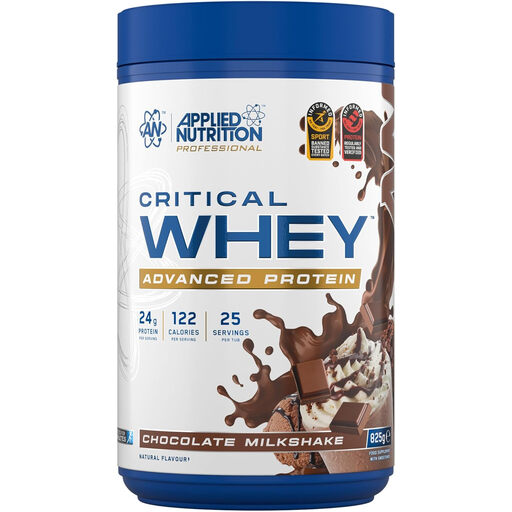
Why it’s a good fit: An accessible option for adults looking for a standard protein shake after exercise or between meals.
The product description clearly states the protein value per serving: approximately 20 grams per 30 grams, rather than relying solely on a marketing percentage.
Whey concentrate, whey isolate and hydrolysed whey in a single formula; contains milk and soy.
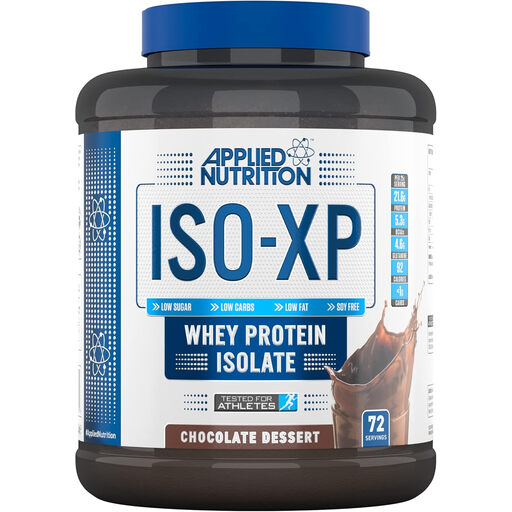
Why it’s a good fit: Suitable for athletes seeking a concentrated whey isolate in a large format for regular use.
The product information specifies 90 grams of protein per 100 grams and 22.5 grams per serving, making it easier to verify than the isolated claim about the ingredient percentage.
Per serving: 0.1 grams of carbohydrates and 0.4 grams of fat according to the stated nutritional values; contains milk.
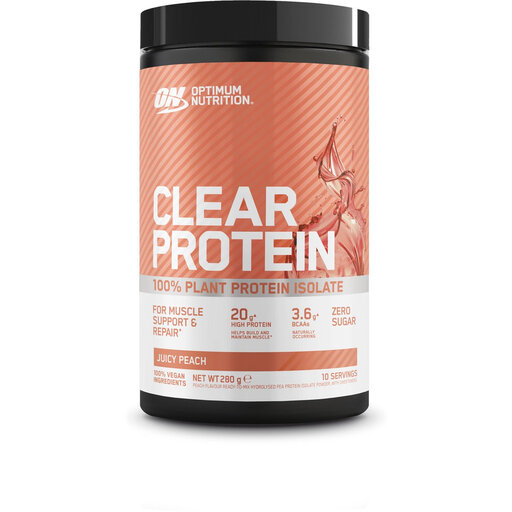
Why it’s a good fit: For vegans and athletes who prefer a light, fruity drink to a creamy shake.
The product information explicitly states 100% plant-based, vegan and zero sugar. Check the current packaging if you have allergies.
20 grams of protein per 28-gram serving and 10 servings per package according to the product information.
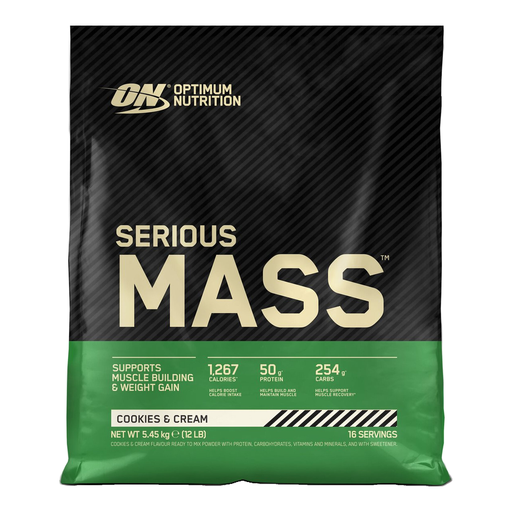
Why it’s a good fit: For adults who deliberately want to add substantial extra calories and carbohydrates to their diet.
The very large serving size makes it clear that this is a weight gainer, not a standard low-calorie protein shake.
According to the product description: approximately 50 grams of protein, 250 grams of carbohydrates and 1,269–1,292 kcal per full serving.
Explore a current selection of protein powders with different protein sources, flavours, serving sizes and nutritional profiles.
You can use protein powder after a workout, between meals or at another time when it is difficult to meet your daily protein needs through regular food alone. Your overall diet and personal goals remain more important than the exact timing.
Store the powder in a cool, dry, dark place and keep it tightly sealed. Check the best-before date and follow the instructions on the packaging. Use a dry scoop and close the container immediately after use. Once opened, the recommended period of use may vary by product.
Many products are intended for healthy adults. Check for milk, soy, gluten, eggs, nuts and other allergens. A medical protein powder, such as Nestlé Instant Resource Protein, is intended for nutritional management when there is a risk of undernutrition and should be used under professional supervision according to the product information. If you have a medical condition, take medication, are pregnant or breastfeeding, it is advisable to consult a doctor or dietitian.
