
Vandaag of morgen in huis

Kwaliteit gegarandeerd

Welkomstaanbiedingen ontgrendelen: GRATIS bezorging | Tot 80% korting | Gratis 30 dagen JoyPlus-proefperiode
Download de app
A tub of protein powder may seem easy to compare at first glance. Yet many sports enthusiasts end up paying for ingredients that do not suit their goals, an impractical serving size or a flavour that becomes disappointing after a few shakes. The right choice depends not only on the brand or packaging, but above all on your daily protein and calorie requirements.
In this guide, we explain what to look for in whey protein, whey isolate, whey concentrate and a weight gainer. You will then find a selection suited to different situations.
A weight gainer or mass gainer contains plenty of carbohydrates and calories in addition to protein. This can be useful when you struggle to consume enough calories, but it is not automatically suitable for everyone who wants to support muscle growth.
According to the product information, Optimum Nutrition Serious Mass Chocolate provides approximately 1,250–1,260 kcal, 50 grams of protein and 250–253 grams of carbohydrates per serving. This is a very different composition from a regular protein shake containing around 120 to 140 kcal. So first check whether you need extra calories or simply want to supplement your protein intake.
A high protein percentage does not tell you everything about ease of use. Also consider:
A product providing 24 grams of protein per scoop may be more practical for everyday use than one with more protein per serving but a very large serving size.
Brands use terms such as ‘rapid absorption’, ‘recovery’ and ‘premium blend’. Treat these as product communication, not as a guarantee of a particular result. Under an EU-approved claim, it may be stated that protein contributes to the growth and maintenance of muscle mass, subject to the conditions for nutrition claims. A supplement does not replace a varied diet or a training plan.
Whey concentrate contains small amounts of carbohydrates and fat alongside protein. It is often a practical choice for generally supplementing your daily protein intake.
Whey isolate is filtered further and, according to the product specification, generally contains less carbohydrate and fat. Optimum Nutrition 100% Gold Standard Isolate Chocolate, for example, lists 25 grams of protein, less than 1 gram of carbohydrates and less than 0.5 grams of fat per 31-gram serving.
Hydrolysed whey has been partially broken down into smaller protein chains. According to the product description for Optimum Nutrition Platinum Hydro Whey, this product consists of hydrolysed whey protein isolate and provides 30 grams of protein per 40-gram serving. The term hydrolysed does not automatically mean that the product is better suited to everyone.
Where possible, compare products per serving as well as per 100 grams. A standard serving in this selection is around 30 to 40 grams. Optimum Nutrition Gold Standard 100% Whey lists approximately 24 grams of protein per serving, while Ghost Whey Milk Chocolate lists 25 grams of protein per 35-gram serving.
Also check the calorie content. A regular protein shake after exercise often contains relatively few calories, whereas a mass gainer is designed to substantially increase your total energy intake. So choose according to your goal:
Whey comes from milk. Many varieties also contain soya because lecithin is used as an emulsifier. Therefore, always check the label if you have an allergy or intolerance. The products mentioned contain milk, among other ingredients; various varieties also list soya and possible traces of gluten, egg, nuts or peanuts.
A product containing lactase is not automatically lactose-free. According to the product information, Ghost Whey contains lactase but still contains milk ingredients. Check the current packaging and allergen information before buying.
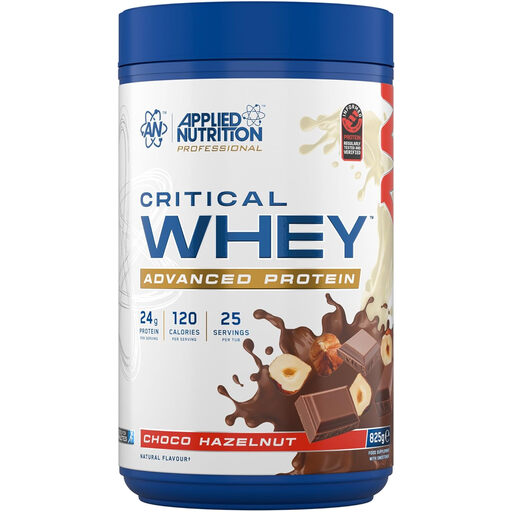
Why it suits this profile: A manageable pack for anyone starting out with whey protein and wanting to add a daily shake without buying a large supply.
The nutritional information lists approximately 24 grams of protein per 33-gram serving. This allows you to compare protein, calories and serving size clearly in advance.
A combination of whey concentrate, whey isolate and hydrolysed whey protein; chocolate flavour and a serving of approximately 33 grams.
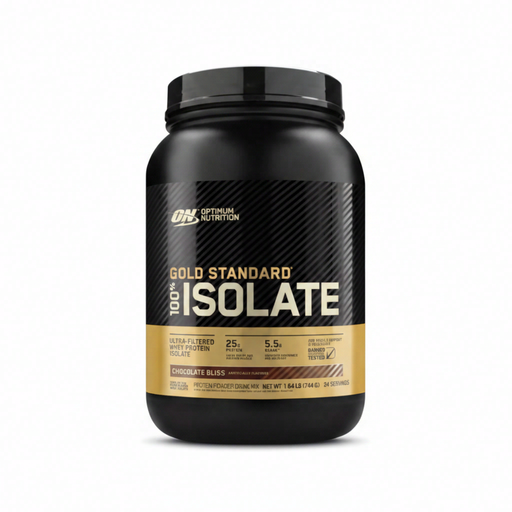
Why it suits this profile: For sports enthusiasts looking for a concentrated source of protein with little carbohydrate and fat per shake.
The product specification lists the amount per serving separately: 25 grams of protein, less than 1 gram of carbohydrates and less than 0.5 grams of fat.
Whey isolate as the protein source; 930 grams of product and approximately 31 servings according to the product information.
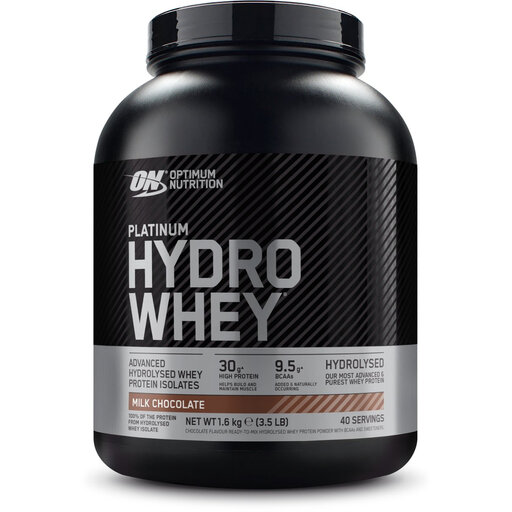
Why it suits this profile: An option for intensive users who regularly have protein shakes and are looking for a larger pack with a fixed serving size.
The packaging states that there are approximately 40 servings of 40 grams. This makes it easier to estimate the supply and how long it will last than with a gainer featuring very large scoops.
30 grams of protein per serving; hydrolysed whey protein isolate; milk chocolate flavour.
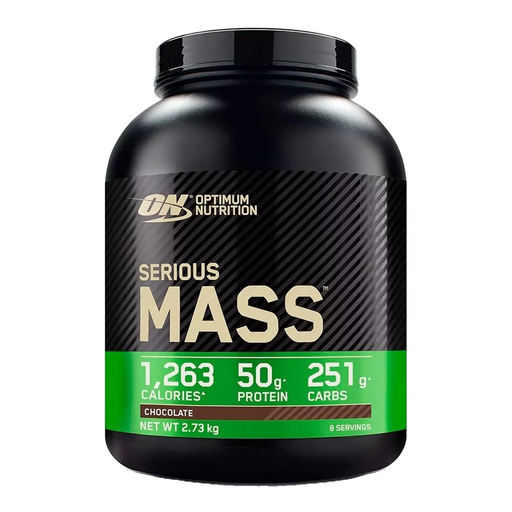
Why it suits this profile: For adults who deliberately want to add extra calories and carbohydrates between meals or after training.
The high energy content is clearly stated. If necessary, start with half a serving in line with the product instructions, so you can better adjust the amount to your diet.
According to the product information, approximately 50 grams of protein, more than 250 grams of carbohydrates and creatine per serving.
We have put together a complete, up-to-date list of products that fully meet these strict selection criteria and the applicable European safety regulations.
Mix the recommended amount with water, milk or another suitable drink. The required amount varies by product: Gold Standard uses approximately 180–240 millilitres of liquid per scoop, while Applied Nutrition Critical Whey recommends approximately 300–400 millilitres. Use a shaker or blender and always follow the label instructions.
A protein shake after exercise can be useful when you cannot eat a protein-rich meal at that time. However, there is no general rule stating that you must have a shake immediately after training. Your total protein intake throughout the day remains more important than one fixed time.
A whey protein providing approximately 20–30 grams of protein per serving can be practical for adults who want to supplement their daily protein intake. Choose whey isolate if you are specifically looking for low levels of carbohydrates and fat. A weight gainer is more suitable when there is a demonstrable need for additional calories.
That depends on its nutritional value, ingredients and your overall diet. Check the sugar, sweeteners, calories and allergens. Products such as Gold Standard and Ghost Whey come in chocolate flavours, but their composition per serving differs.
Keep the packaging tightly closed and store it in a cool, dry and dark place. Use the product before the date shown on the packaging and check its smell, colour and texture after opening. If in doubt, or if the powder has become damp, it is better not to use it. Always follow the manufacturer’s current storage and usage instructions.
