
Vandaag of morgen in huis

Kwaliteit gegarandeerd

Welkomstaanbiedingen ontgrendelen: GRATIS bezorging | Tot 80% korting | Gratis 30 dagen JoyPlus-proefperiode
Download de app
Protein powder can be useful when you want to supplement your daily protein intake as an athlete. However, products can differ considerably. Whey protein for after exercise has a different composition from casein protein for the evening or a weight gainer for extra calories.
The packaging does not always tell the whole story. Pay particular attention to the nutritional value per serving, the protein source and the ingredients that suit your diet. This helps you avoid paying for a large tub containing relatively little protein, a flavour you quickly tire of or a product that does not match your goals.
A high protein percentage per 100 grams is useful, but it is not the only criterion. Also check the serving size. A 25-gram scoop containing 22.5 grams of protein cannot be directly compared with a 33-gram serving containing 24 grams of protein.
Also check the sugar, fat, carbohydrates and number of servings per pack. A product with a low protein percentage may still be suitable if you also want to increase your calorie intake.
Whey isolate is filtered more extensively than whey concentrate and often contains less carbohydrate and fat. However, it remains a milk-based product. If you have a milk allergy or are sensitive to lactose, always check the ingredients and allergen information on the label.
If you want to avoid dairy, you could consider vegan protein powder or beef protein, for example. You should still check the full composition: “plant-based” does not automatically tell you anything about the flavour, sweeteners or possible cross-contamination.
A weight gainer contains plenty of carbohydrates and calories as well as protein. This may suit someone who deliberately wants to increase their energy intake, but it makes less sense if you are simply looking for a compact protein shake. According to the product information, Serious Mass contains 50 grams of protein, approximately 250 grams of carbohydrates and around 1,269–1,292 kcal per serving.
For a standard protein shake, you can compare the amount of protein per serving with the total serving size. Applied Nutrition ISO-XP, for example, states 22.5 grams of protein per 25-gram serving. Optimum Nutrition Gold Standard 100% Whey states approximately 24 grams per serving of around 30 grams, depending on the variant.
Also look out for added caffeine. According to the product information, the Caramel Latte variant of Applied Nutrition Critical Whey contains 100 mg of caffeine per 33-gram serving. This is relevant if you train in the evening or want to limit your caffeine intake.
Check whether milk, soya, gluten, egg, nuts or peanuts are listed. The preparation method also affects the end result: water generally provides fewer calories than milk. Follow the recommended amount of liquid, as too little water can result in a thicker shake with more lumps.
Remember that brands’ claims about absorption, recovery or other effects do not guarantee the same personal experience for you. Base your choice on the ingredients list, nutritional table, allergen information and instructions for use.
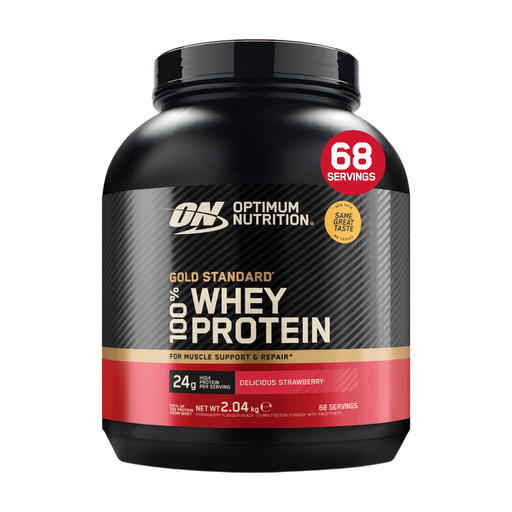
Why it suits this profile: A large pack containing approximately 24 grams of whey protein per serving is practical for anyone who regularly enjoys a protein shake.
The product information clearly states the serving size, nutritional values and allergens. It is not a weight gainer, so you will not unintentionally add a large number of extra calories.
Whey blend containing isolate, concentrate and hydrolysed whey; approximately 24 grams of protein per serving.
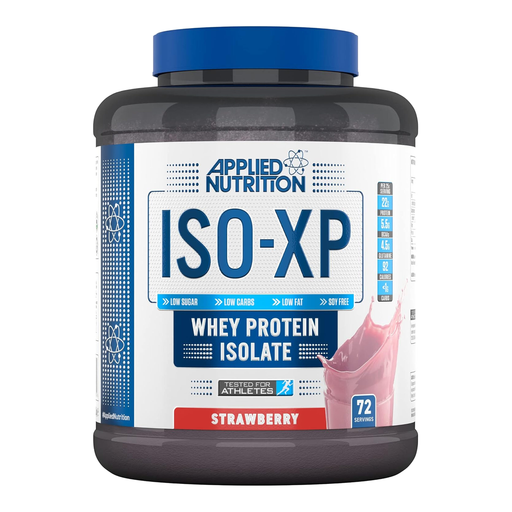
Why it suits this profile: Suitable for athletes who want to combine a high protein content per serving with little fat and carbohydrate.
The stated nutritional values show 22.5 grams of protein per 25-gram serving. So check the table rather than relying only on the claim on the front of the pack.
Whey isolate as the main ingredient; 22.5 grams of protein and less than 1 gram of fat, carbohydrate and sugar per serving according to the product information.
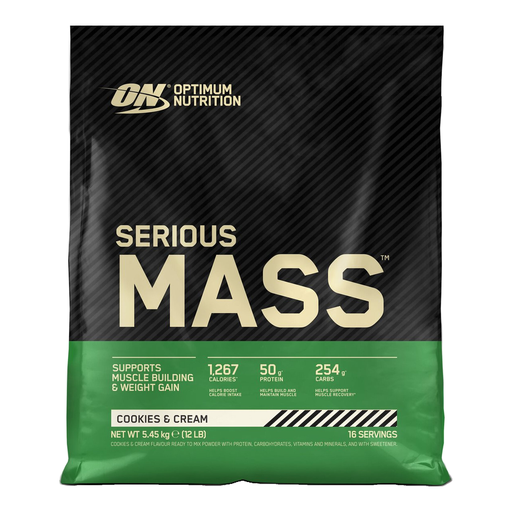
Why it suits this profile: For adults who deliberately want to add plenty of extra calories and carbohydrates to their diet alongside protein.
The high carbohydrate and calorie content is clearly stated. This makes it easy to distinguish the product from standard protein powder.
50 grams of protein and approximately 250 grams of carbohydrates per serving according to the product information; 5.45 kg pack.
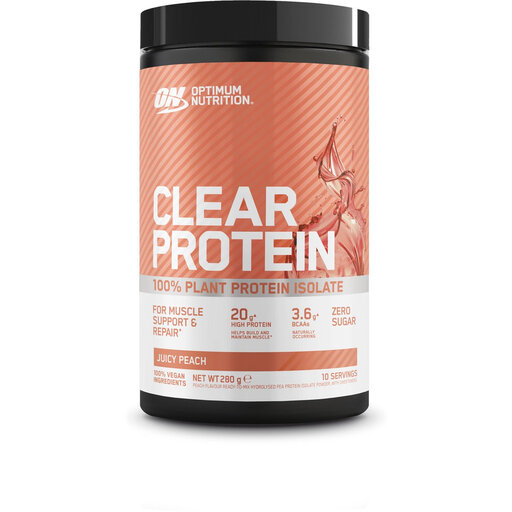
Why it suits this profile: A plant-based, dairy-free option for adults following a vegan diet who want a lighter shake mixed with water.
The product information states that it is 100% plant-based, approved by the Vegan Society and contains zero sugar. However, the production facility also handles several allergens, including milk.
20 grams of protein per 28-gram serving; mix with 600 ml of cold water for a light shake.
We have compiled a complete, up-to-date list of products that fully meet these strict selection criteria and the applicable European safety regulations.
You can use protein powder after exercise as a convenient addition to your daily diet. The exact timing is less important than your overall diet. Always follow the serving instructions on the label, and do not treat a protein shake as a substitute for a varied diet.
The best-before date is shown on the packaging. Store the powder in a dry, cool place away from direct sunlight. Close the tub securely after use. Changes in smell, colour, texture or taste are reasons not to use the product.
Calculate the price per shake by dividing the purchase price by the number of servings. Then also compare the number of grams of protein per serving. A larger pack is not automatically better value if the serving size is larger or the protein content is lower.
