
Vandaag of morgen in huis

Kwaliteit gegarandeerd

Welkomstaanbiedingen ontgrendelen: GRATIS bezorging | Tot 80% korting | Gratis 30 dagen JoyPlus-proefperiode
Download de app
Protein powder, whey protein and protein supplements are easy to order online, but products can vary considerably. A low price tells you little about the number of servings, while an impressively high protein content may not suit your goals. A mass gainer or weight gainer can also be impractical if you’re mainly looking for extra protein and don’t need a large number of additional calories.
As Joybuy Product Recommendation Officer, I check product information against verifiable specifications. This helps you see which features are relevant to your daily routine before you buy.
A large protein figure on the pack can quickly catch your eye. However, always check the serving size, number of servings and protein per 100 g. A product may provide plenty of protein per scoop, but also contain a relatively high amount of sugar, fat or carbohydrates.
For a standard whey protein, around 20 to 25 g of protein per serving is a useful point of comparison. For example, Optimum Nutrition Gold Standard 100% Whey lists around 24 g of protein per serving and 74 g per 100 g. This makes it a suitable way to top up your daily protein intake without turning one shake into a full meal.
A weight gainer is designed for people who want to consume significantly more calories and carbohydrates as well as protein. Optimum Nutrition Serious Mass lists 50 g of protein, 250 g of carbohydrates and around 1,269 to 1,292 kcal per serving. That may suit athletes with high energy needs, but it’s less appropriate if you’re simply looking for a light protein shake after training.
So, be aware of the difference between:
Whey usually contains milk ingredients. Many varieties also contain soya as an emulsifier. A vegan product will generally be free from milk, but check whether it was made in a factory that also handles milk, gluten, eggs, soya, nuts or peanuts.
Always check the label on the pack you receive. Ingredients, recommended serving sizes and allergen information can vary by flavour or pack size.
Use both figures to compare products fairly. Serving sizes vary by brand. A 30 g scoop is not the same as a 334 g serving of a mass gainer.
A shake can be part of a varied diet to support muscle growth and recovery. If you’re mainly looking for extra protein, a formula with fewer calories and carbohydrates is usually the better choice. If you find it difficult to get enough calories, you could consider a gainer.
Whey isolate, whey concentrate, casein and plant-based isolates all have different properties. According to the product description, Optimum Nutrition Gold Standard 100% Whey uses a blend of whey isolate, whey concentrate and hydrolysed whey peptides. According to the product information, Optimum Nutrition Clear Protein uses a 100% plant-based protein isolate and provides 20 g of protein per serving.
Don’t take claims such as “fast absorption” as a guarantee of a particular training result. The practical differences mainly come down to the protein source, ingredients, flavour and your dietary goals.
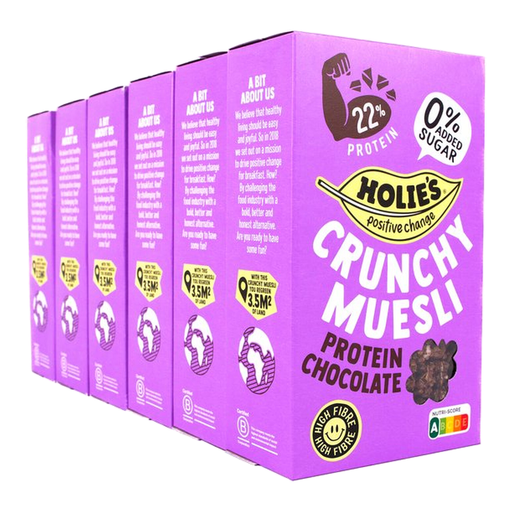
Why it suits this profile: A breakfast or snack option for anyone who prefers getting protein from solid food rather than a protein shake.
Nutritional values are listed per 100 g: 22 g of protein, 21 g of fibre and 429 kcal. This makes the nutritional content easier to assess than a marketing claim alone.
Wholegrain oats, 22% protein and 0.02 g of salt per 100 g, according to the product information. Contains oats and wheat.
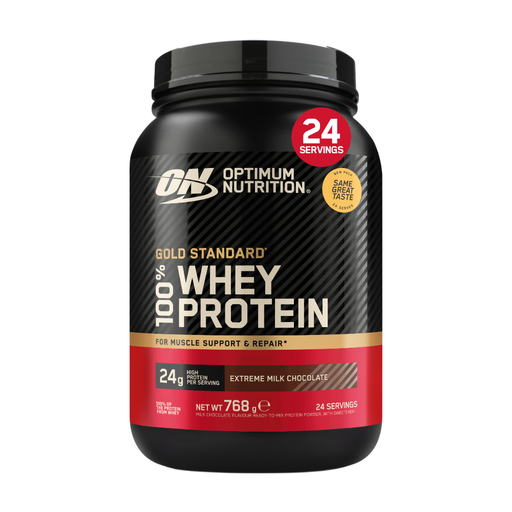
Why it suits this profile: For athletes looking for a familiar whey blend, clear serving guidance and a product they can use at different times of day.
The product information lists the blend of isolate, concentrate and peptides, with values per scoop and per 100 g.
Around 24 g of protein and approximately 119 kcal per serving. The recommended mixing ratio is 180–240 ml of water or milk.
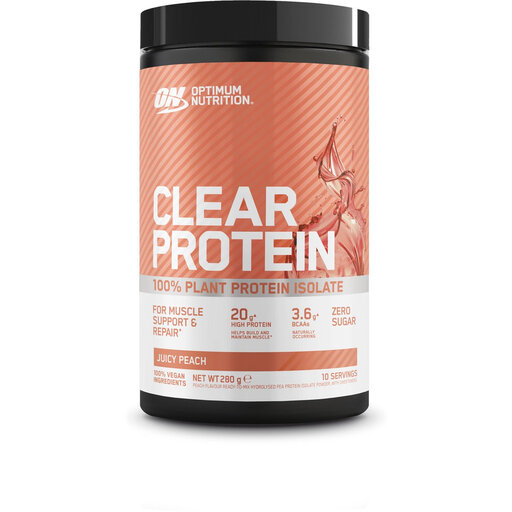
Why it suits this profile: A plant-based, dairy-free option for adults who want to make a light protein drink.
The product page explicitly states that it is 100% plant-based, vegan and sugar-free. Even so, check the allergen information on the pack.
20 g of protein and 3.6 g of naturally occurring BCAAs per 28 g serving. Mix with 600 ml of cold water.
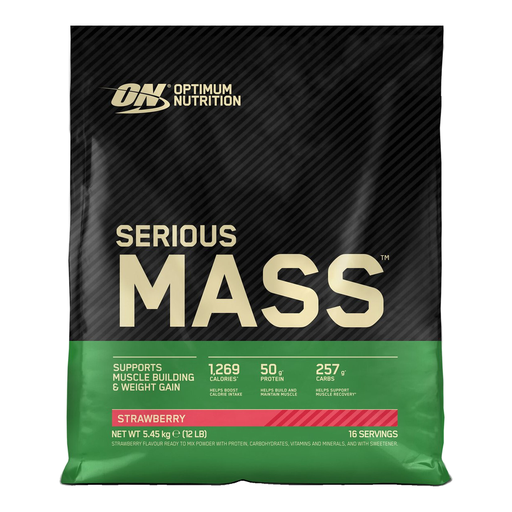
Why it suits this profile: For athletes who deliberately want to add plenty of calories and carbohydrates to their diet.
The very high values per serving make it clear that this isn’t regular whey. This helps you choose the product in line with your actual calorie needs.
50 g of protein and 250 g of carbohydrates per stated serving. Contains milk, egg and soya; check the full allergen list.
We’ve put together a complete, up-to-date list of products that meet these strict selection criteria and the applicable European safety requirements.
You don’t need a shake at every meal or snack time. A protein bar is handy when you’re out and about, at the office or just after a workout. The Optimum Nutrition Whipped Protein Bar lists 20 g of protein per bar and comes in a box of 10. Do check the ingredients list for milk, soya and peanuts.
The Hero Protein Nuts and Caramel contains 18 g of protein per 100 g and is individually wrapped. At 24 g per bar, it’s best as a small snack rather than a full replacement for a protein shake. Always compare the nutritional values per bar, not just per 100 g.
You can use protein powder after exercise, between meals or at another time when you need to top up your daily protein intake. Timing matters less than your overall diet and choosing a serving size that suits your needs.
The best-before date and batch information are printed on the pack. Store the product as instructed: usually tightly sealed, somewhere cool and dry, and out of direct sunlight. Don’t use a product if the packaging is damaged or its smell, colour or texture has clearly changed.
It depends on the price per serving and the protein content. Work out the cost per 20 or 25 g of protein and compare it with quark, eggs, pulses, fish or meat. A shake is mainly convenient; it isn’t automatically the most cost-effective way to get your nutrition.
