
Vandaag of morgen in huis

Kwaliteit gegarandeerd

Welkomstaanbiedingen ontgrendelen: GRATIS bezorging | Tot 80% korting | Gratis 30 dagen JoyPlus-proefperiode
Download de app
Protein powder can be useful if you want to add extra protein to your diet because of sport, a busy schedule or a change in your eating habits. However, products vary considerably in their ingredients, serving sizes, flavour and recommended time of use. Eye-catching packaging or promises of fast recovery don’t tell you much on their own.
So, focus on the label. Read on to find out which common pitfalls to watch out for, which specifications to compare and which type of protein powder suits your daily routine.
A pack weighing several kilos may cost less per serving. But that saving disappears if you quickly tire of the flavour, the powder goes lumpy or you only have a protein shake now and then. Always check the number of servings and the recommended serving size.
A smaller pack, such as 450 or 780 grams, is often more practical if you want to try a flavour first. A larger size may make more sense for everyday use.
Compare the protein content per serving and per 100 grams. Also check the sugar, fat, carbohydrate and added sweetener content. Two products with the same serving size can have noticeably different protein percentages.
Whey protein products often combine several sources, such as whey concentrate, whey isolate and hydrolysed whey protein. That’s separate from whether you like the taste or find the product easy to tolerate.
Protein powder is a supplement to your diet, not a complete meal. Check the allergens, too. Whey and casein come from milk. Many products also contain soya as an emulsifier. Marine collagen contains fish, so it isn’t suitable if you have a fish allergy.
According to the manufacturer’s product information, ingredients, packaging and directions for use may change. Always check the label on the product you receive.
Whey protein is often chosen for a quick, convenient protein shake around a workout. Products may contain whey concentrate, whey isolate or a combination of the two. Focus on the number of grams of protein per serving and the order of the ingredients.
Casein protein is also a milk protein, but product information generally describes it as slow-digesting. It’s often used between meals or before bed. This makes it a particularly interesting option if you’re looking for a protein powder to take at a specific time.
Collagen powder is a different category from standard protein powder. According to Applied Nutrition’s product information, marine collagen contains collagen peptides from fish and vitamin C. It isn’t a direct substitute for a whey or casein shake if you specifically want to top up your daily protein intake with sports nutrition.
A useful point of comparison is the protein content per serving. Here are some examples from the product information:
Bear in mind that serving sizes can be 30, 33 or 35 grams. So, don’t just compare the figure on the front of the pack; check the nutrition table per 100 grams as well.
A protein shake should fit into your daily routine. Think about options such as strawberry protein powder, banana and strawberry, or an unflavoured variety. Also check how much water or milk is recommended. Some products are designed to be mixed with 180 to 240 ml of liquid, while others recommend 300 to 400 ml.
If you have an allergy, always check for:
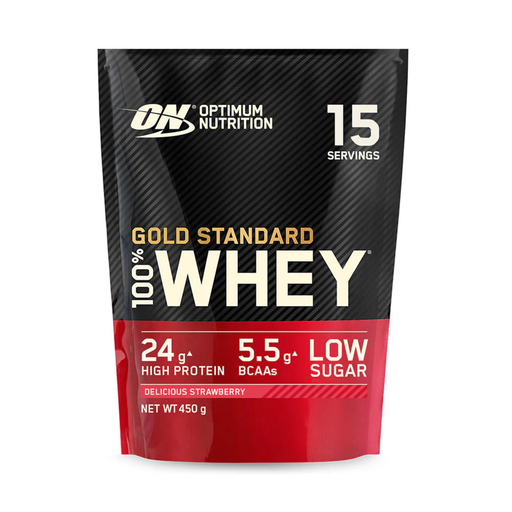
Why it suits this profile: The 450-gram pack is a manageable size if you want to try strawberry-flavoured whey protein without buying a large tub straight away.
The product lists a serving of around 30 grams, containing approximately 24 to 25 grams of protein. This makes the ratio easy to check.
450 grams, strawberry flavour, whey isolate and concentrate, approximately 24–25 grams of protein per serving.
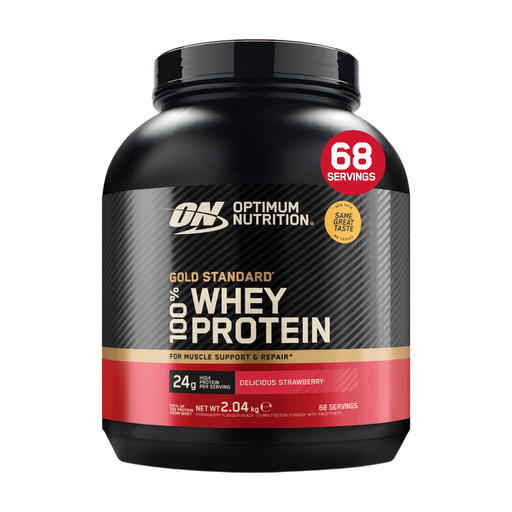
Why it suits this profile: This size is aimed at regular users who have a protein shake several times a week and would rather order a new pack less often.
The nutritional values and serving size are clearly stated. You can weigh up the larger size against how much you actually use before buying.
2.04 kg, approximately 25 grams of protein per 30-gram serving, combining whey isolate, concentrate and hydrolysed whey protein.
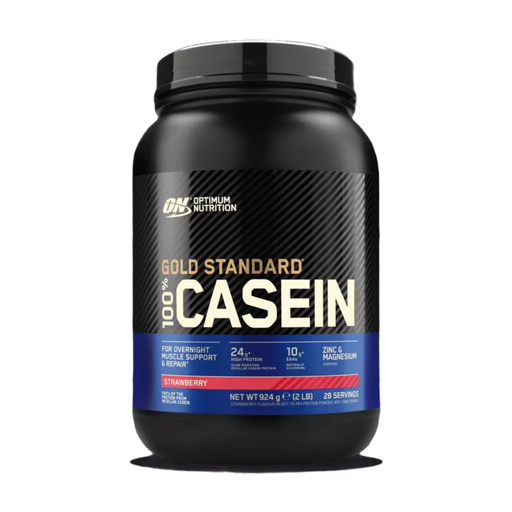
Why it suits this profile: Casein protein is a good fit if you plan to have protein between meals or before bed.
The product description clearly identifies micellar casein and a serving containing 24 grams of protein. This makes the difference from whey protein clear.
924 grams, 24 grams of protein per serving, strawberry flavour and a formula based on micellar casein.
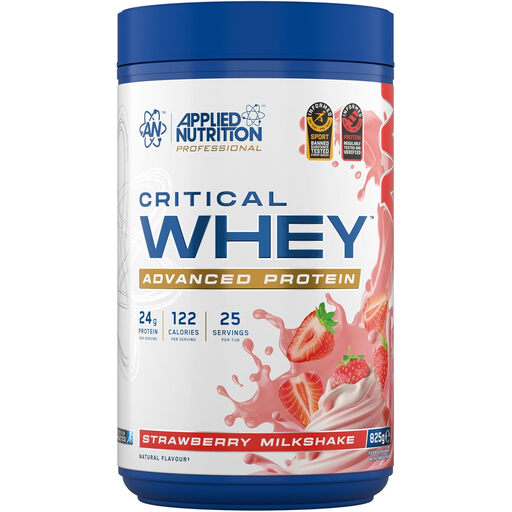
Why it suits this profile: A medium-sized pack for anyone who uses protein powder around workouts or as a snack and is looking for a strawberry flavour.
The product specifications list a combination of whey concentrate, isolate and hydrolysate, as well as the presence of milk and soya.
825 grams, approximately 23.8 grams of protein per serving in the stated strawberry variant, with a blend of three whey sources.
We’ve put together a complete, up-to-date list of products that meet these strict selection criteria and current European safety regulations.
Use the serving size stated on the label and mix the powder with the recommended amount of cold water or milk. A shaker helps reduce lumps. If you’re trying a new product, you could start with a smaller amount to see how you like the taste and how well you tolerate it.
Check the best-before date on the packaging. Store the powder in a cool, dry place out of direct sunlight. Seal the pack tightly after use. Moisture can affect its texture and how well it mixes. Don’t use a product if the packaging is damaged or the powder has a noticeably unusual smell.
No. BCAA powder contains specific amino acids, usually leucine, isoleucine and valine. Whey protein naturally contains BCAAs as well as other amino acids. So, check how much total protein you’re getting from food and protein shakes before adding a separate BCAA supplement.
When choosing a protein supplement, your goal, when you plan to use it, flavour preference, budget and allergen information matter more than eye-catching marketing terms. Choose a size you’ll actually use and compare the nutrition table before you order.
