
Vandaag of morgen in huis

Kwaliteit gegarandeerd

Welkomstaanbiedingen ontgrendelen: GRATIS bezorging | Tot 80% korting | Gratis 30 dagen JoyPlus-proefperiode
Download de app
Protein powder can be a practical addition to your daily diet, especially if you exercise, have little time to cook or find it difficult to get enough protein from everyday meals. However, not all types of protein powder are designed for the same purpose. Whey isolate suits a different user from a weight gainer or casein protein.
As a Joybuy Product Recommendation Officer, I therefore start by checking the facts: protein per serving, calories, sugar content, protein source, allergens, pack size and number of servings. This helps you avoid paying mainly for eye-catching packaging or a flavour name that tells you little about what’s inside.
A product with a high protein content per 100 g can still be impractical if the serving is small, each shake works out expensive or you don’t like the flavour. So always compare the figures per 100 g and per recommended serving.
A whey protein with 24 or 25 g of protein per serving isn’t automatically right for everyone. If you need extra calories, check the carbohydrates and energy content too. If you’re looking for a low-sugar protein powder, check the amount of sugar per shake rather than relying on terms such as “low sugar”.
Whey protein is a general term for protein from milk whey. Standard whey often contains a blend of whey concentrate and whey isolate, and sometimes hydrolysed whey. Whey isolate focuses on a more concentrated protein source, often with relatively little fat and carbohydrate.
Casein protein is generally digested more slowly than whey. This makes it a practical option for some people between meals or before bed. That doesn’t mean casein is essential for everyone: your total protein intake and usual diet matter more than when you have a single shake.
A weight gainer or mass gainer contains plenty of carbohydrates and calories as well as protein. This can be useful if you’re deliberately trying to increase your energy intake, but it’s less suitable if you’re simply looking for a light protein boost.
So check the serving size. A product might contain 50 g of protein, for example, but also more than 1,200 kcal and around 250 g of carbohydrates per full serving. That’s a very different choice from a shake containing around 100 to 120 kcal.
Check the ingredients list. Is the main ingredient whey protein isolate, whey concentrate, casein, beef protein or a blend? Also check the amount of protein per recommended serving. The examples in the range vary from around 20 g to 50 g per serving.
A clearly defined serving size is useful for everyday use. A scoop of around 30 g is also easier to compare than a very large serving weighing hundreds of grams.
If you’re looking for a low-sugar protein powder, check the nutrition table. According to the product information, an isolate version can contain around 100 kcal, less than 0.5 g of sugar and less than 1 g of carbohydrate per serving. A mass gainer, on the other hand, is designed to add plenty of calories and carbohydrates.
Bear in mind that mixing the powder with milk changes the nutritional values. Unless stated otherwise, the figures on the packaging usually apply to the powder alone.
Milk and soya are common in whey products. Some varieties may also contain traces of gluten, egg, peanuts or nuts. If you have an allergy or intolerance, always check the current label and warnings on the packaging.
Sweeteners such as sucralose or acesulfame K are also worth checking if you want to avoid a particular flavour or ingredient. According to the product information, the supplement range discussed here is not a substitute for a varied diet. Use the product as directed and don’t exceed the recommended amount.

Why it suits this profile: The 300 g pack is a good way to try whey protein before committing to a larger supply.
The nutrition information lists around 24 g of protein and approximately 119 kcal per serving, making it easy to compare this shake with other products.
Whey blend with isolate, concentrate and hydrolysed whey; around 24 g of protein per serving.

Why it suits this profile: This whey isolate is designed to deliver a high protein content per shake, with limited amounts of fat, sugar and carbohydrates.
The product information states that a 31 g serving contains 25 g of protein, less than 0.5 g of sugar and less than 0.5 g of fat.
930 g pack, around 31 shakes and 100 kcal per serving, according to the product information provided.
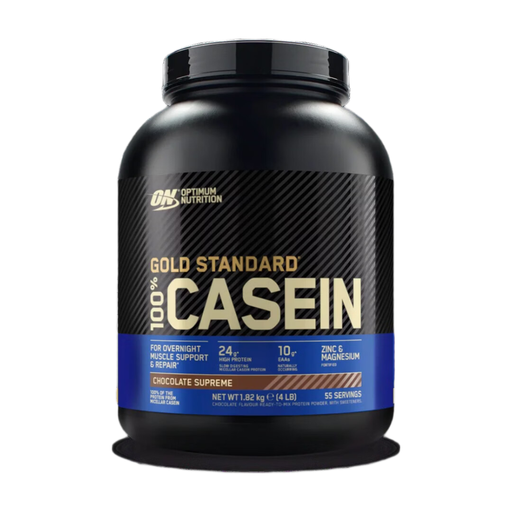
Why it suits this profile: Casein is a practical choice if you want a source of protein between meals or before bed.
The product description specifies micellar casein and suggests using it between meals or before bed, rather than positioning it as a general-purpose whey product.
According to the product information, each serving contains 24 g of casein; the pack contains around 55 scoops.
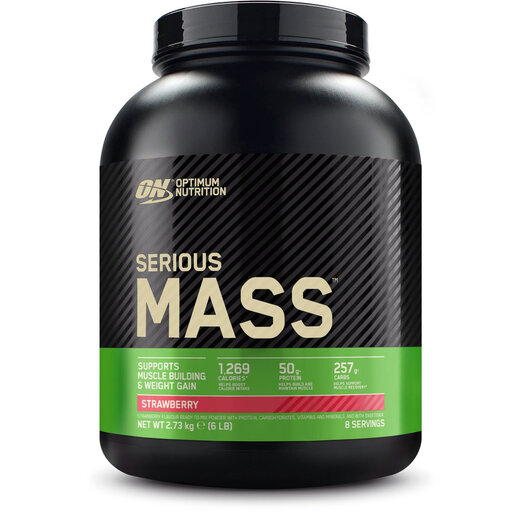
Why it suits this profile: This mass gainer is designed for people who want to add plenty of extra carbohydrates and energy to their diet as well as protein.
The product information makes clear that a full serving contains around 1,269–1,292 kcal, 50 g of protein and 250 g of carbohydrates.
2.73 kg pack with around 9 full servings; designed as a high-calorie supplement, not a light protein shake.
We’ve put together a complete, up-to-date list of products that meet these strict selection criteria and comply with current European safety regulations.
You can have a protein shake after exercise if you need extra protein at that point or can’t have a full meal. There’s no need to focus solely on having it immediately after your workout. A shake can also fit between meals. Always follow the serving instructions on the label.
The use-by or best-before date is shown on the packaging. Store the powder as instructed, usually sealed tightly in a cool, dry place away from direct sunlight. Don’t use a product if its packaging is damaged or its smell, colour or texture has noticeably changed.
No. A low sugar content is most relevant if you want to limit extra carbohydrates. If you’re deliberately trying to gain weight, a mass gainer with plenty of carbohydrates may be a better fit. Before buying, compare your goal, serving size, calorie needs and overall diet.
