
Vandaag of morgen in huis

Kwaliteit gegarandeerd

Welkomstaanbiedingen ontgrendelen: GRATIS bezorging | Tot 80% korting | Gratis 30 dagen JoyPlus-proefperiode
Download de app
The shelves, both online and offline, are overflowing with tubs and bags of protein powder. Each one promises faster muscle growth than the last, with flashy packaging and complex jargon. It's easy to get lost in the noise and choose a product that doesn't suit your needs or is simply overpriced for what it offers. As a Joybuy Product Recommendation Officer, I'll help you see through the marketing fluff and make a choice based on facts.
Before you place a protein shake in your shopping cart, it's wise to be aware of a few common pitfalls:
To avoid a bad purchase, it's helpful to base your choice on a few objective specifications. You'll always find these on the label.
The source of the protein largely determines its properties and the ideal time to use it.
Your personal goal determines which type of powder is most suitable.
Look beyond the front of the packaging. The nutritional information table and ingredient list tell the real story. Pay attention to:
Based on the criteria above, we have selected a number of products that suit different user profiles.
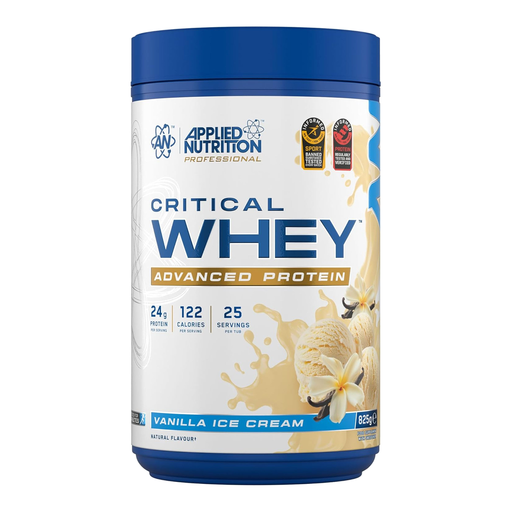
Why This Fits Their Persona: Ideal for those starting out with protein shakes who want a reliable, great-tasting product without paying a premium price. It's an all-rounder for post-workout recovery or as a supplement throughout the day.
You're not paying for unnecessarily expensive 'advanced' ingredients. This blend of concentrate and isolate offers an excellent balance between quality and price.
Delivers approximately 21-24 grams of protein per serving. Known for its excellent mixability and pleasant, non-chemical flavours.
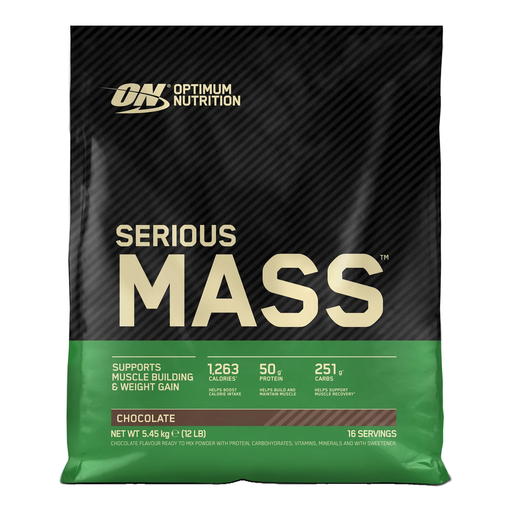
Why This Fits Their Persona: Specifically developed for athletes who struggle to gain weight and mass. This is not a standard protein shake, but a calorie-dense meal replacement to more easily achieve a calorie surplus.
This product is honest about its purpose: building mass. The large amount of carbohydrates and calories is not a hidden filler here, but the core function of the product.
According to the manufacturer, it delivers over 1250 kcal, 50 grams of protein, and 250 grams of carbohydrates per serving (when mixed with milk). Fortified with vitamins, minerals, and creatine.
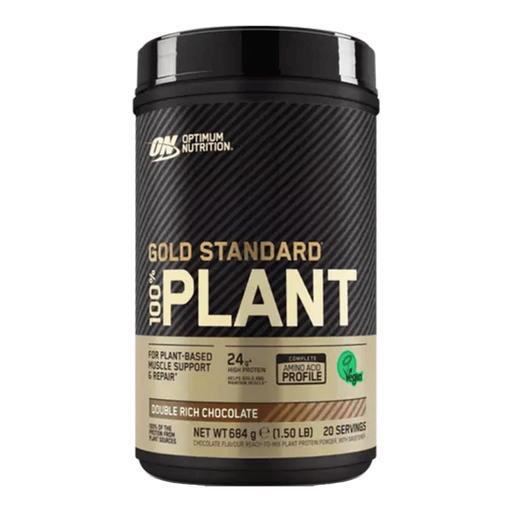
Why This Fits Their Persona: For athletes who follow a completely plant-based diet and don't want to compromise on the quality of their protein. Suitable for vegans and vegetarians who want to support muscle growth and recovery.
Many single-source plant proteins have an incomplete amino acid profile. This product combines pea and rice protein to prevent this, giving you a complete protein source.
Delivers 24 grams of plant-based protein per serving. According to the manufacturer, the product is free from artificial colours, flavours, and sweeteners.
The chocolate flavour is especially popular. We have compiled a current list of products that meet these selection criteria and comply with Dutch regulations.
Yes, a protein shake can be a tool for weight loss. Protein provides a feeling of satiety, which can help you eat less. It also supports the maintenance of muscle mass during a calorie deficit. In this case, choose a powder low in carbohydrates and fats, such as a whey protein isolate. Use the shake as a nutritious snack or as part of a meal, not as an extra on top of your normal diet.
The most popular time is within an hour after your workout. At that point, your body can effectively use the protein for muscle repair. However, the most important thing is your total daily protein intake. A protein shake can therefore also be used as a protein-rich breakfast, as a snack, or before bed (especially casein) to meet your daily needs.
This depends heavily on your body weight, activity level, and goals. A general guideline for strength athletes is 1.6 to 2.2 grams of protein per kilogram of body weight per day. A protein powder is a supplement; it is intended to complement a varied and balanced diet, not replace it. First, calculate how much protein you get from whole foods (chicken, fish, eggs, dairy, legumes) and use one or two shakes to make up for any shortfall. If in doubt or if you have medical conditions, always consult a doctor or dietitian.
