
Vandaag of morgen in huis

Kwaliteit gegarandeerd

Welkomstaanbiedingen ontgrendelen: GRATIS bezorging | Tot 80% korting | Gratis 30 dagen JoyPlus-proefperiode
Download de app
A tub of protein powder might seem easy to compare at first glance. But products can differ considerably in their protein source, serving size, sugar content, flavour and ease of use. What’s more, a high protein claim on the front of the pack doesn’t always tell you how much protein you’ll actually get per serving.
For adult athletes, fitness enthusiasts and bodybuilders, there are three main pitfalls to watch out for:
The protein source helps determine the product’s composition and when you might use it. Common options include:
BCAAs, such as leucine, isoleucine and valine, occur naturally in many protein sources. So an extra BCAA claim shouldn’t be your only consideration. Start by checking the total protein content per serving.
If you use a high-protein supplement to top up your daily diet, it’s worth checking the full nutrition table. Look out for:
A low-sugar product won’t necessarily suit everyone. Flavour, mixability and how well you tolerate it can all affect whether you keep using it every day.
Don’t just compare the price of each pack; check the price per serving too. A 280-gram pack with ten servings is a practical way to try a flavour, while a 1.6- or 1.8-kilogram pack may be better value if you use it regularly.
Follow the preparation instructions on the label. Protein shakes are usually mixed with water or milk. Clear whey often needs more water and can foam temporarily. If it does, leave it to stand for a moment before drinking.
Protein powder after exercise is a convenient option, but it’s not the only time you can use it. You could also have a protein shake at breakfast, between meals or to top up your intake on a day when your diet is low in protein. It’s no substitute for a varied diet.
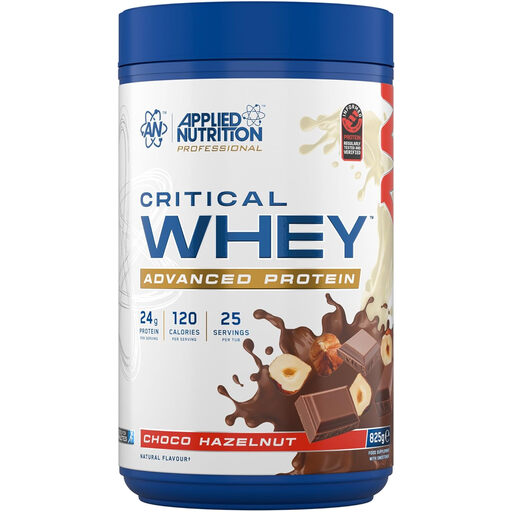
Why it suits this profile: The 825-gram pack is a manageable size if you’re trying a whey product for the first time. It provides around 20 grams of protein per 30-gram serving.
The protein content is given for a specific serving size. The product information also states that it’s a blend of concentrate, isolate and hydrolysed whey.
825 grams, chocolate flavour and naturally occurring BCAAs. Contains milk and soya; check the label if you have allergies.
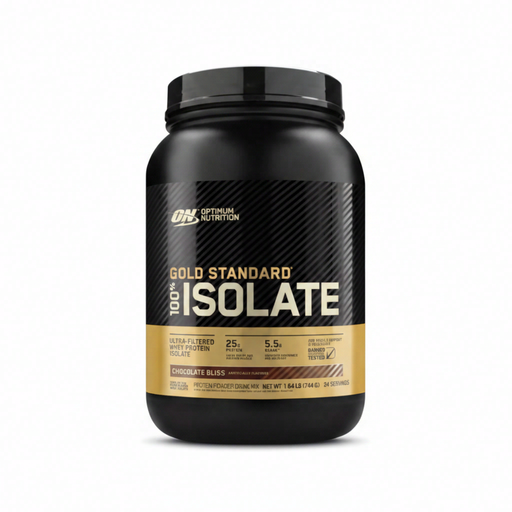
Why it suits this profile: This whey isolate provides 25 grams of protein per 31-gram serving. According to the product information, each serving contains less than 0.5 grams of sugar and less than 0.5 grams of fat.
The nutritional values are set out per serving, so you can compare protein, sugar and fat directly with other protein powders.
25 grams of protein per shake, 930 grams of powder and around 31 servings. Contains milk and soya and isn’t vegan.
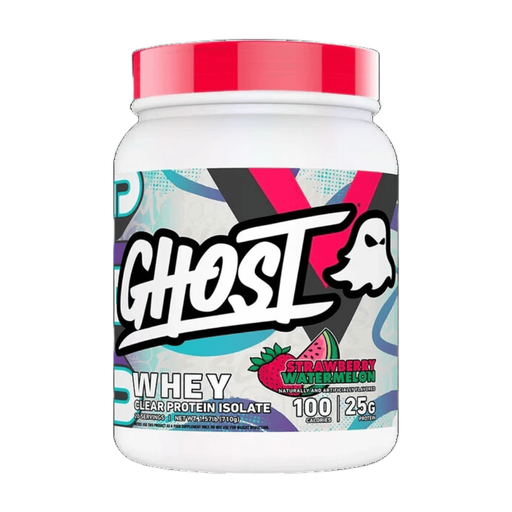
Why it suits this profile: Clear whey is a good choice for athletes who prefer a light, clear protein drink to a creamy shake. According to the product information, this flavour provides 25 grams of protein per serving.
The product information states that it contains 0 grams of sugar and makes clear that the sweet flavour comes from sweeteners. That way, you know what “no added sugars” means in practice.
710 grams, around 20 servings, 25 grams of protein per serving and a light texture. Contains milk; check the current flavour’s allergen information.
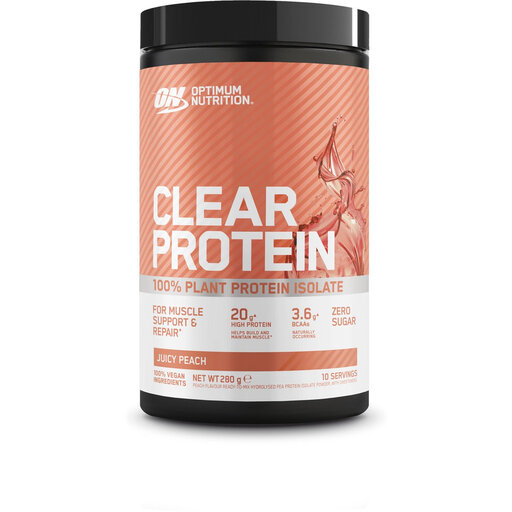
Why it suits this profile: According to the product information, this plant-based protein powder is vegan and provides 20 grams of protein per 28-gram serving. The peach flavour is mixed with 600 ml of cold water.
The product details specify the plant-based protein source, vegan suitability and sugar content. Always check the packaging for possible traces of allergens.
20 grams of protein, 3.6 grams of naturally occurring BCAAs, 280 grams of powder and ten servings. According to the product information, it contains no sugar and is approved by the Vegan Society.
We’ve put together a complete, up-to-date list of products that meet these strict selection criteria and the applicable European safety regulations.
You can use protein powder if you find it difficult to get the amount of protein you want each day from food alone. Many athletes have a protein shake after exercise, but having one at breakfast or between meals can also be convenient. Your training, overall diet and recovery are what matter most; a supplement is just an addition.
That depends on your preferences and nutritional goals. Product labels often show that whey isolate is relatively high in protein and low in fat and carbohydrates. A whey blend may combine different types of whey and sometimes be better value. Compare the nutritional values per serving rather than relying on the product name alone.
Store the product in a cool, dry place, tightly sealed and out of direct sunlight. Check the best-before date, batch information and any instructions on the packaging. Don’t use a product if its seal is damaged or its smell, colour or texture has noticeably changed. Always follow the current label on the product you receive.
