
Vandaag of morgen in huis

Kwaliteit gegarandeerd

Welkomstaanbiedingen ontgrendelen: GRATIS bezorging | Tot 80% korting | Gratis 30 dagen JoyPlus-proefperiode
Download de app
The world of sports nutrition can be overwhelming. Dozens of tubs, different flavours, and unfamiliar terms. You want to increase your protein intake to support your fitness goals, but which protein powder is right for you? Whether you're just starting your fitness journey or have been training for years, making the right choice is crucial.
As a Joybuy Product Recommendation Officer, I'm here to guide you. In this article, we'll filter through the information and provide you with practical tools to make an informed decision, cutting through the marketing hype. We'll focus on the specifications so you can find the protein powder that meets your needs.
Before we dive into specific products, it's helpful to know what to look for. These three key points will make buying protein powder much simpler.
The most common question is which type of protein to choose. The two most popular categories are whey and vegan.
Look beyond the front of the label. The ingredient list and nutrition panel provide the most objective information. Pay attention to the following:
A protein shake should be functional, but also enjoyable to use. Mixability determines whether you get a smooth shake or a clumpy drink. Most modern powders dissolve well in water or milk. Taste is personal: vanilla and chocolate are classics, but there are also unflavoured options that you can customise in a smoothie.
Based on product specifications and various use cases, we have curated a selection of popular choices.
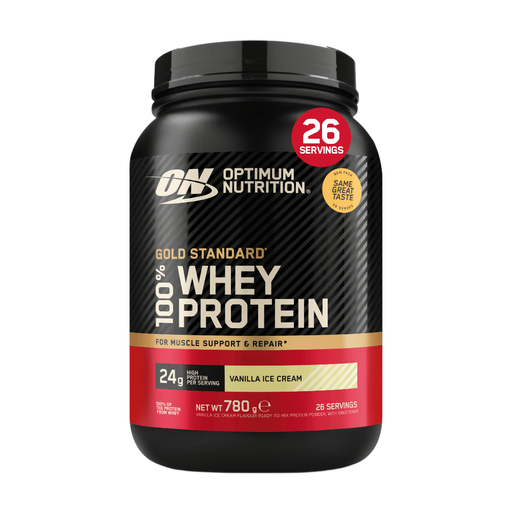
Why It Stands Out: This product combines three types of whey protein: isolate, concentrate, and hydrolysed peptides. This blend is designed for efficient absorption. It's a versatile choice that has been a long-standing favourite among a wide range of athletes.
Benefits:
Who It's For: The all-around athlete looking for a reliable and popular whey product that is versatile enough for post-workout recovery or as a supplement throughout the day.

Why It Stands Out: This vegan protein powder is distinguished by its purity. It consists of 100% soy protein isolate, with no added sugars, flavours, or colours. With 23 grams of protein per 25-gram serving, it is a highly concentrated plant-based protein source.
Benefits:
Who It's For: Ideal for vegans, vegetarians, and individuals with lactose intolerance. Also suitable for anyone seeking the purest possible protein powder without any additives.
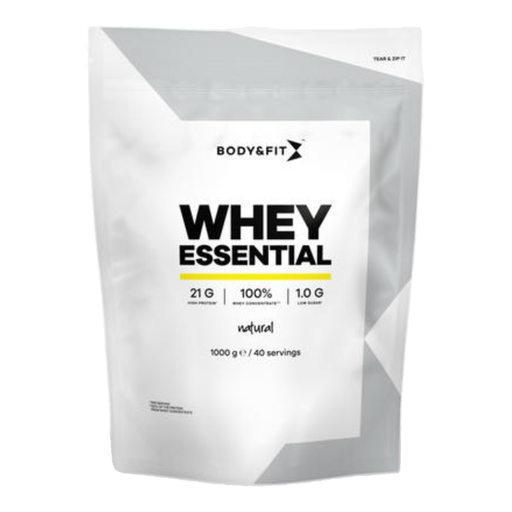
Why It Stands Out: Whey Essential by Body & Fit is a no-nonsense product. It delivers on its promise: a solid dose of protein from 100% whey concentrate. The natural version contains no extra flavourings, making it a flexible base for your own shakes.
Benefits:
Who It's For: For athletes who want a simple and effective whey base without the extras. It's a great choice for beginners or for those who prefer to control the flavour of their shake.
The demand for products with an organic origin is growing. If you are specifically looking for a protein powder that meets organic standards, we have compiled a separate selection for you. These products are made with ingredients from organic farming.
Explore our selection of organic protein here
The most popular time is within 30-60 minutes post-workout to support muscle recovery. However, a protein shake can be taken at any time of day to supplement your diet, for instance, as a high-protein snack or with breakfast.
Proteins are the building blocks of muscle. According to the authorised EU health claim, proteins contribute to the growth and maintenance of muscle mass. Protein powder is a convenient and efficient way to get enough protein, especially when combined with regular strength training.
The main difference is the source. Whey protein is made from milk and is therefore an animal product. Vegan protein powder is made from plant-based sources such as soy, pea, rice, or hemp. Both can be effective options, depending on your dietary preferences and any intolerances.
