
Vandaag of morgen in huis

Kwaliteit gegarandeerd

Welkomstaanbiedingen ontgrendelen: GRATIS bezorging | Tot 80% korting | Gratis 30 dagen JoyPlus-proefperiode
Download de app
A protein drink can be handy after exercise, on the go or when it’s difficult to get enough protein from your usual meals. But many products differ more than they first appear to. A creamy protein shake, a clear protein water and a vegan soya drink can vary significantly in protein content, sugar, convenience and allergens.
As a Joybuy Product Recommendation Officer, I focus on information you can verify on the label. Marketing terms such as “light”, “performance” or “premium” don’t tell you much on their own. The nutrition table and ingredients list usually give you a clearer picture.
Don’t compare only the price of a tub or bundle. Divide the total contents by the recommended serving size and check how many grams of protein you get per serving. For example, a 300-gram tub with servings of around 30 to 32 grams contains approximately 9 to 10 servings.
A bundle of sachets may also look like good value, but check whether the shaker or extra packaging is actually useful to you.
A standard soya drink does contain plant-based protein, but often much less than a whey product. For example, Vitasoy Soy Drink Strawberry lists 1.5 grams of protein per 100 ml. According to the product information, Alpro Soya Drink Banana contains 3 grams per 100 ml. These drinks can work well as plant-based drinks, but they’re not automatically concentrated protein shakes.
For a post-workout protein drink, a serving with around 16 to 25 grams of protein is a more likely choice. Always check the serving size too: the figures per 100 ml and per bottle can be very different.
A sugar-free protein drink may suit a lower-calorie diet, but check the sweeteners, acidity and flavour too. Clear whey and protein water often have a refreshing, lemonade-like consistency. Traditional whey protein, on the other hand, mixes into a creamy drink with water or milk.
Also look out for caffeine. An amino or sports drink may be low in calories but still contain caffeine. According to the product information, Optimum Nutrition Amino NRG + Electrolytes contains 100 mg of caffeine per 250 ml can. It’s not a substitute for a regular protein shake, and you should take extra care if you’re sensitive to caffeine.
Whey protein is made from milk proteins, such as whey isolate, whey concentrate or a combination of the two. Whey isolate is generally a concentrated protein source with relatively little fat and carbohydrate. A blend can combine different types of whey.
Optimum Nutrition Gold Standard 100% Whey Protein Powder lists approximately 24 grams of protein per serving of around 32 grams. The ingredients list includes whey isolate, whey concentrate and hydrolysed whey peptides. The product contains milk and soya and isn’t vegan.
Protein content varies considerably between plant-based options. A soya drink for everyday use usually contains less protein per glass than a specially formulated protein powder. Also check whether you’re looking for a vegan product: “plant-based” and “vegan” aren’t always interchangeable terms, so check the full ingredients list.
If you’re looking for a sugar-free protein drink, compare the sugar, calorie and serving-size information for clear whey or protein water. According to the product information, the Optimum Nutrition Protein Water bundle contains 16 grams of whey protein isolate per 350 ml bottle, with 0 grams of sugar, 0 grams of fat and 64 kcal per bottle.
A traditional shake can also be relatively low in sugar, but the figures change if you add milk, banana or oats. So calculate the nutritional value of the whole drink, not just the powder.
A ready-to-drink bottle is convenient on the go and doesn’t need measuring. Powder is usually more flexible and often better value per serving, but you’ll need a shaker and the right amount of water.
Getting the proportions right matters. Gold Standard Whey uses around 180 to 240 ml of water or milk per scoop. According to the product information, Optimum Nutrition Clear + Collagen is mixed with 500 ml of water. If foam forms after shaking, leave clear whey to settle briefly.
Store powders in a cool, dry place and keep them tightly sealed. According to the product information, opened ready-to-drink beverages should be refrigerated and used within the stated period.
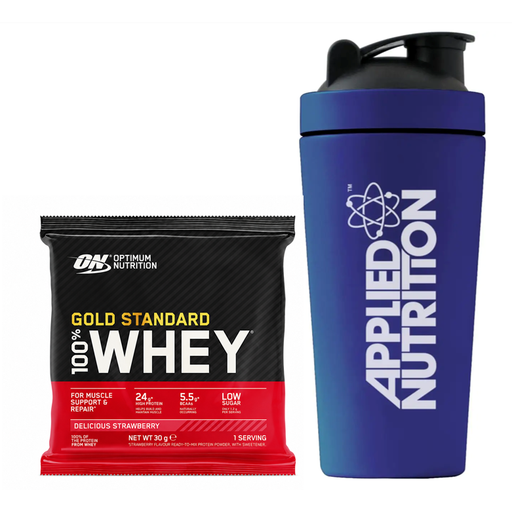
Why it suits this profile: Sachets make it easy to try a few servings first. The included shaker is handy at home, at the gym or on the go.
You don’t have to buy a large tub straight away, so you can try the serving size and flavour first. Each sachet lists around 24 to 25 grams of protein.
30 grams per sachet, around 24–25 grams of protein per serving and a 750 ml shaker. Contains milk and soya.

Why it suits this profile: The ingredients are clearly specified, making it a good fit for adults who regularly use a traditional protein shake.
The nutrition information lists around 24 grams of protein, 119 kcal, 1.2 grams of sugar and 1.3 grams of fat per serving.
Whey isolate, concentrate and hydrolysed whey peptides; instantised powder that mixes with water or milk.
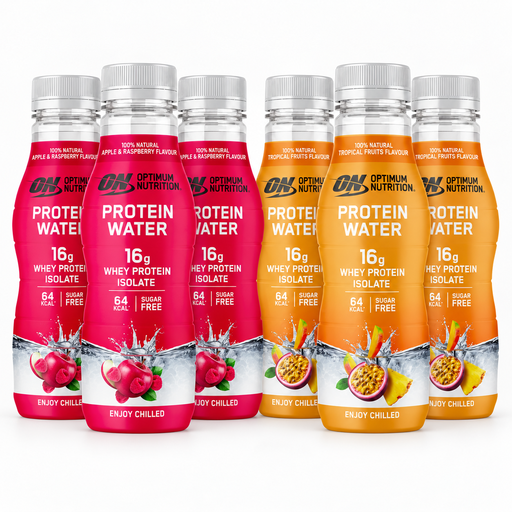
Why it suits this profile: This ready-to-drink protein water is handy after a workout, on your commute or when a milky shake doesn’t appeal.
The bundle lists 16 grams of protein, 0 grams of sugar and 64 kcal per bottle. There’s no need to measure or mix anything.
Six 350 ml bottles, two fruit flavours and whey protein isolate. Contains milk; serve chilled and use within 24 hours of opening.
We’ve put together a complete, up-to-date list of products that meet these strict selection criteria and the applicable European safety regulations.
A vegan soya drink can be a good choice for everyday use, breakfast or smoothies. Alpro Soya Drink Banana lists 3 grams of protein per 100 ml and, according to the product information, is vegan, lactose-free and gluten-free. The drink also contains sugar, so it fits into your diet differently from a sugar-free protein drink.
If you’re mainly looking for a high protein intake, don’t compare a plant-based drink like-for-like with whey protein. Check the protein content per serving, added sugars and allergens such as soya, peanuts or nuts.
It depends on your overall diet and when you want to use it. You can have a protein drink after exercise, between meals or on the go. Under the authorised EU health claim, protein contributes to the growth and maintenance of muscle mass, but a shake isn’t a substitute for a varied diet.
No. Clear whey is usually a clear drink with a refreshing fruit flavour and a less creamy consistency. A regular whey protein shake is generally mixed with water or milk and has a milky texture. Both can contain whey protein, but the protein content and ingredients vary by product.
For unopened drinks, follow the date and storage advice on the packaging. An opened ready-to-drink beverage should usually be refrigerated and used within the stated period. Store protein powder in a cool, dry place and keep it tightly sealed. If you have allergies, always check the current ingredients list on the packaging.
