
Vandaag of morgen in huis

Kwaliteit gegarandeerd

Welkomstaanbiedingen ontgrendelen: GRATIS bezorging | Tot 80% korting | Gratis 30 dagen JoyPlus-proefperiode
Download de app
A protein drink can be useful when you want extra protein after exercising, on the go or between meals. However, many products look more similar than they really are. A protein shake, protein water and electrolyte drink each have a different purpose. If you focus only on flavour, packaging or familiar brand names, you may end up paying more than necessary for a product that does not suit the way you intend to use it.
A sports drink is generally designed to provide fluid, carbohydrates and sometimes electrolytes during exercise. That does not automatically mean it contains much protein. For example, according to the product information, Optimum Nutrition Amino NRG + Electrolytes contains amino acids, magnesium and 100 mg of caffeine per can, but no significant amount of protein. It is therefore not a replacement for a whey protein or protein shake.
A large number on the front does not always tell you how much protein you actually drink per serving. So check the amount of protein per serving as well as the number of servings in the pack. A bottle of Optimum Nutrition Protein Water contains 16 grams of whey protein isolate per 350 ml. According to the product information, one serving of Gold Standard Whey provides around 24 to 25 grams of protein from 30 grams of powder.
A ready-to-drink protein drink is convenient, but it can cost more per serving than protein powder. Powder in a large tub offers better value for daily use, while sachets are handy for travelling or trying different flavours. Also consider refrigeration: once opened, a chilled shake should generally be consumed within 24 hours. Always check the current packaging for the shelf life and storage instructions.
Whey protein comes from milk and generally contains a blend of whey concentrate, whey isolate or hydrolysed whey isolate. According to the product specification, an isolate often contains a relatively high amount of protein for the quantity of powder. For example, Gold Standard 100% Whey Strawberry lists 24 grams of protein per 30-gram serving, while the 930-gram Gold Standard Isolate Vanilla lists 25 grams per 31-gram serving.
Do not just look for the word “isolate”; also check:
According to an EU-authorised nutrition and health claim, protein contributes to the growth and maintenance of muscle mass. This is not a guarantee of a specific result: your overall diet, training and lifestyle remain decisive.
A traditional protein shake is mixed with water or milk. This creates a creamy texture and is practical when you have a shaker with you at home or at the gym. Gold Standard Whey Sachets come with a 750 ml stainless steel shaker. According to the product information, you add 180 to 240 ml of cold water or milk.
Clear whey and protein water have a lighter, fruitier texture. The Optimum Nutrition Protein Water Variety Bundle contains six 350 ml bottles: three Apple & Raspberry and three Tropical Fruits. According to the product specification, each bottle provides 16 grams of whey protein isolate, with no sugar and 64 kcal.
A plant-based protein drink is a different category. According to the product information, V-SOY Original contains 3.1 grams of protein per 100 ml, while Alpro Soya Drink Vanilla lists 3 grams per 100 ml. This may be suitable as an everyday drink or smoothie ingredient, but these products provide considerably less protein per serving than a concentrated protein shake.
For longer or more intense exercise, carbohydrates and minerals may be relevant. According to the product description, Body&Fit Isotonic Electrolytes Drink contains 32 grams of carbohydrates and 129 kcal per serving. Mix one 35-gram scoop with 500 ml of water.
Always check the caffeine content of energy drinks. Amino NRG + Electrolytes lists 100 mg of caffeine per 250 ml can. According to the packaging, this drink is not recommended for children or pregnant or breastfeeding women. If you are sensitive to caffeine or take medication, it is advisable to check the leaflet and label first.
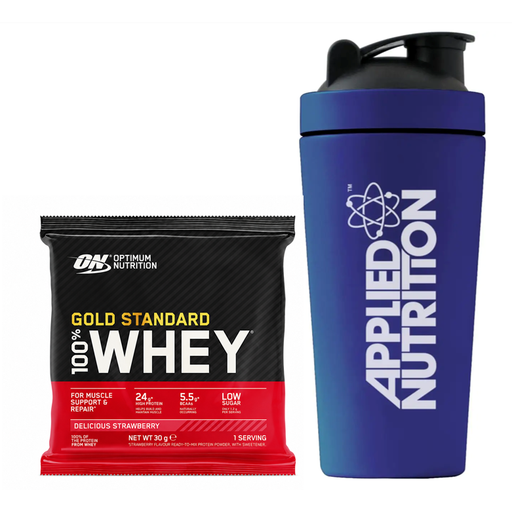
Why it suits this profile: A single sachet and shaker make it easy to try a flavour and see when it suits you, without immediately buying a large tub.
The serving size and nutritional values are clearly stated: around 25 grams of protein per 30-gram sachet. The shaker is reusable.
30 g single-serving sachet, 750 ml stainless steel shaker and leak-resistant screw-top lid according to the product information.

Why it suits this profile: Suitable for adults who train regularly and want a reliable protein source with a large number of servings.
The packaging states 31 servings, 25 grams of protein per serving and less than 0.5 grams of sugar and fat per serving.
930 grams of powder, whey isolate as the protein source and a vanilla flavour; mixing advice is 250–350 ml of water or milk.
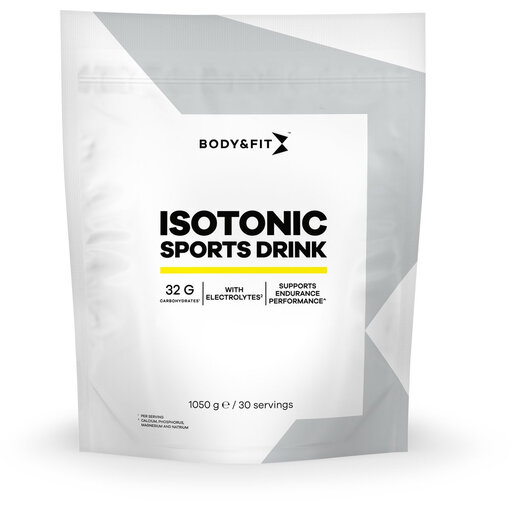
Why it suits this profile: Suitable for long or intensive training sessions when you want to replenish not only fluids but also carbohydrates and electrolytes.
The product specification makes clear that this is an isotonic sports drink, not a protein drink: it lists 32 grams of carbohydrates per serving rather than a high protein content.
1.05 kg of powder, making 15 litres of drink according to the product information; mix one serving with 500 ml of water.
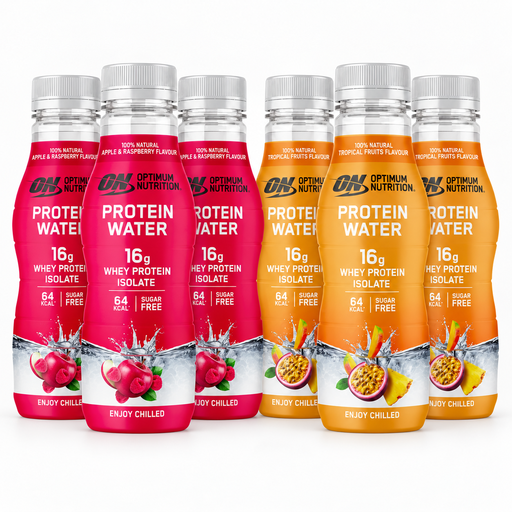
Why it suits this profile: A practical choice if you do not want a creamy shake and would prefer to open a chilled drink straight after exercising.
The bottle size, protein content and nutritional values are clearly stated: 350 ml, 16 grams of protein, 0 grams of sugar and 64 kcal per bottle.
Six ready-to-drink bottles, two fruit flavours and whey protein isolate as the protein source. Refrigerate after opening and use within 24 hours.
We have put together a complete, up-to-date list of products that fully meet these strict selection criteria and the applicable European safety regulations.
That depends on your preferences for texture, quantity and convenience. A whey protein shake often provides around 24 to 25 grams of protein per serving. Protein water is lighter and ready to drink, but the examples mentioned contain 16 grams per bottle. According to product information, protein can contribute to the maintenance of muscle mass; use the drink as part of a varied diet.
An unopened pack of powder should generally be stored in a cool, dry place and kept sealed. A ready-to-drink product should be stored according to the label. Once opened, several products require refrigeration and should be consumed within 24 hours. Always check the best-before date, storage conditions and instructions on the individual packaging.
You usually also pay for the bottle, preparation and convenience when buying protein water. Protein powder in a large pack may be cheaper per serving if you use it regularly. So compare the price per serving rather than just the price of the overall pack. Also check the number of grams of protein per serving, so you can compare products fairly.
