
Vandaag of morgen in huis

Kwaliteit gegarandeerd

Welkomstaanbiedingen ontgrendelen: GRATIS bezorging | Tot 80% korting | Gratis 30 dagen JoyPlus-proefperiode
Download de app
A protein bar is handy when you’re out and about, between meals or after exercising. Yet many protein bars look similar, even though their nutritional values, sweeteners and serving sizes can vary considerably. Eye-catching packaging or a term such as “high-protein snack” says little in itself about whether a product suits your dietary goals.
The most common pitfalls:
First, check the number of grams of protein per bar, not just the value per 100 grams. The range includes, for example, bars containing around 20 grams of protein each. This is practical if you want a fixed serving when you’re out and about.
Also consider the protein source. Many protein bars use milk proteins, whey protein or casein. Other varieties contain soya protein or collagen. These sources are not suitable for every dietary pattern. What’s more, collagen is not the same as a complete milk- or plant-based protein source for every purpose.
A low-sugar protein bar does not automatically contain few carbohydrates or calories. Therefore, check the full nutritional information table. Polyols such as maltitol, sorbitol and erythritol are often used to reduce the sugar content. The product information for several bars states that excessive consumption may have a laxative effect.
For example, a bar may contain 1.4 to 1.6 grams of sugar, but also a considerable amount of polyols. Start with one serving and see how you respond to it. If you follow a strict keto or low-carbohydrate diet, it is worth comparing the net carbohydrates and ingredients for each specific flavour.
Always check the ingredients on the packaging, particularly if you have a food allergy or intolerance. Milk and soya are common ingredients in sports nutrition. Peanuts, cashews, hazelnuts and gluten may also be present in the bar or listed as possible traces.
Also check whether the bar is suitable for vegetarians or vegans. Some bars contain hydrolysed bovine collagen and are therefore not suitable for a vegetarian diet. Product formulations can change, so the packaging of the variant you choose is the definitive reference.
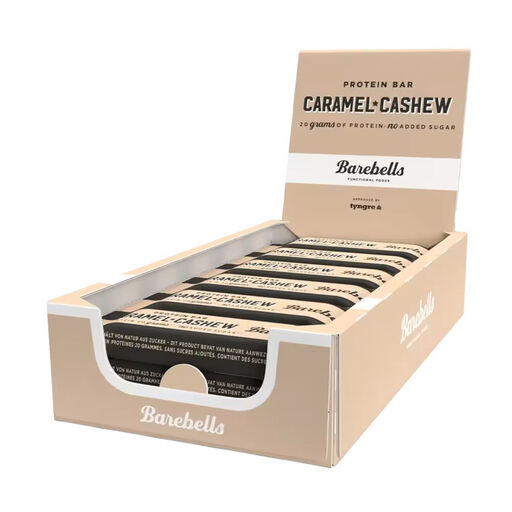
Why this suits the profile: This multipack contains 12 individually wrapped 55-gram bars. Each bar contains 20 grams of protein, 1.5 grams of sugar and 200 kcal, according to the product information. This makes comparing products and managing portions straightforward for anyone just starting out with protein bars.
The protein and sugar content is stated per fixed serving. However, bear in mind that each bar contains 5 grams of polyols, and check the allergens: milk, cashews and peanuts.
20 grams of protein per bar, 12 bars per pack and a soft caramel-cashew texture according to the product description.
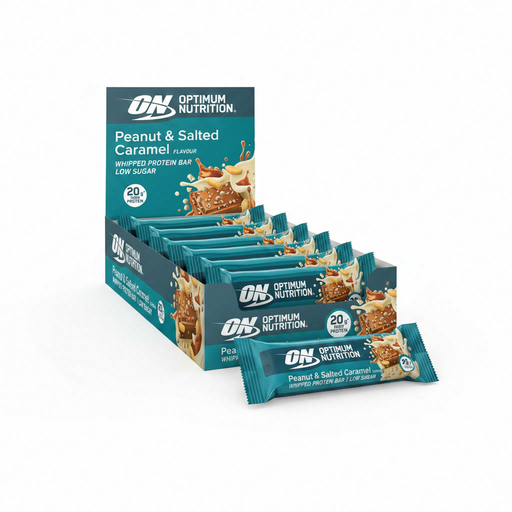
Why this suits the profile: This bar combines a high-protein recipe with a soft, whipped texture, peanuts and a white chocolate coating. The product information states that each bar contains 20 grams of protein and is suitable for vegetarians.
The pack contains 10 60-gram bars, allowing you to factor the size into your calorie planning in advance. The product contains milk, soya and peanuts; possible traces of gluten, egg and nuts are listed.
20 grams of protein per bar, fibre-rich product information and a texture that differs from a standard compact protein bar.
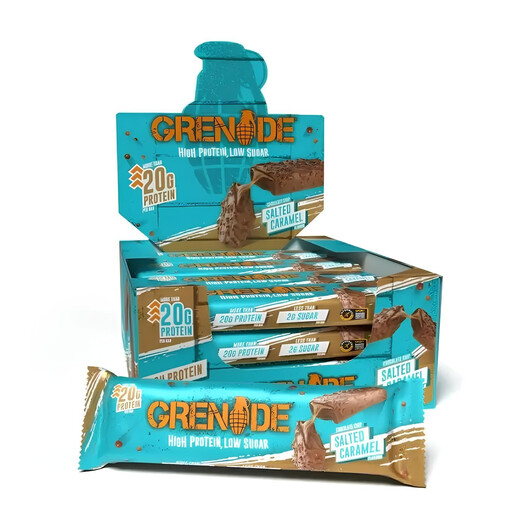
Why this suits the profile: This bar is aimed at people who want a reliable snack for work, when they’re out and about or around their training sessions. Each 60-gram bar contains 20 grams of protein, 1.4 grams of sugar and 226 kcal, according to the product information.
The nutritional values are given per individual bar. However, note that each bar contains 18 grams of polyols and that milk and soya are present; some variants may contain other allergens.
20 grams of protein per bar, 12 individually wrapped bars and a chocolate texture with chocolate chips.
A bar is ready to eat and easy to take with you. You often pay for this convenience with a higher price per gram of protein and a longer ingredients list. Protein powder is usually more flexible: you can adjust the serving size and mix it with water, milk or a smoothie. For example, Lucovitaal Hybrid Protein lists whey protein concentrate and soya protein isolate, with 22 grams of protein per serving according to the product information.
A protein drink is an alternative if you don’t want a creamy shake. Optimum Nutrition Protein Water Tropical Fruits lists 16 grams of whey protein isolate per 350 ml bottle and no sugar, according to the product details. For all supplements, check the current packaging and instructions for use.
We’ve put together a complete, up-to-date list of products that fully meet these strict selection criteria and the applicable European safety regulations.
That depends on your overall diet and schedule. You can eat a bar after training, between meals or when you’re out and about. Above all, choose a variety whose protein content, calorie count and ingredients fit your daily goals.
The best-before date is shown on the packaging. In general, store bars in a cool, dry place, away from direct sunlight and sources of heat. Check the packaging before use and follow the manufacturer’s storage instructions.
Usually, they are intended as a snack or addition to your daily diet. A bar generally contains a less varied range of nutrients than a complete meal. Therefore, use it as a convenient option between meals rather than automatically replacing a varied diet.
