
Vandaag of morgen in huis

Kwaliteit gegarandeerd

Welkomstaanbiedingen ontgrendelen: GRATIS bezorging | Tot 80% korting | Gratis 30 dagen JoyPlus-proefperiode
Download de app
A protein bar may seem straightforward at first glance: choose a chocolate flavour, check the protein content and order a multipack. However, differences in sugar, polyols, portion size and allergens can make a purchase less suitable than expected. This is especially important when shopping online, where you should look beyond terms such as “high protein” or “low sugar”.
A high protein content per 100 grams sounds appealing, but portion sizes vary between brands. A 50-gram bar containing 25 grams of protein offers something different from a 74-gram bar with the same protein content per 100 grams. Always check:
A protein bar for after exercise often contains between 18 and 25 grams of protein per bar. This makes comparisons easier than relying solely on the percentage shown on the front of the packaging.
A protein bar with little sugar may still contain high levels of polyols, such as maltitol, sorbitol or erythritol. These sweeteners reduce the sugar content, but excessive consumption may have a laxative effect. So, as well as checking “of which sugars”, look at polyols and the ingredients list.
For example, according to the product information, some Grenade Carb Killa bars contain approximately 1.4 to 1.6 grams of sugar per bar, but also a considerable amount of polyols. This is relevant if you eat several bars a day.
A chocolate, caramel or nougat protein bar may taste appealing, but the ingredients can vary considerably. Some bars contain milk protein, whey protein, hydrolysed collagen or soya protein. Also check whether they contain or may contain nuts, gluten, milk or peanuts.
A “no added sugars” statement does not mean that a bar is sugar-free. Always check the nutritional table for the flavour you have chosen. Manufacturers may adjust the ingredients for each variant.
For a practical high-protein snack, the number of grams of protein per bar is a sensible first filter. For example, the products in this selection range from 18 grams per 59 grams for an Optimum Nutrition bar to 25 grams per 50 grams for the XXL Nutrition High Protein Bar Chocolate.
Also consider the source of the protein. Milk protein and whey protein are common, but some products also contain hydrolysed collagen. If you are comparing protein quality or have specific dietary preferences, it is worth checking the complete ingredients list.
If you are specifically looking for a low-sugar protein bar, compare the sugar value per bar with the total carbohydrate content. A low sugar value does not automatically indicate a low total calorie or carbohydrate content.
Examples from the product information:
These figures show why the label per serving is more important than a general marketing claim.
A single protein bar is useful for trying a flavour first. A protein bar multipack is more practical if you regularly take a bar to the gym, work or when travelling. When buying a multipack, check:
A variety pack, such as the Nutramino XL Protein Bar Variety Bundle with four bars, may be suitable if you want to compare several flavours without immediately buying a large box.
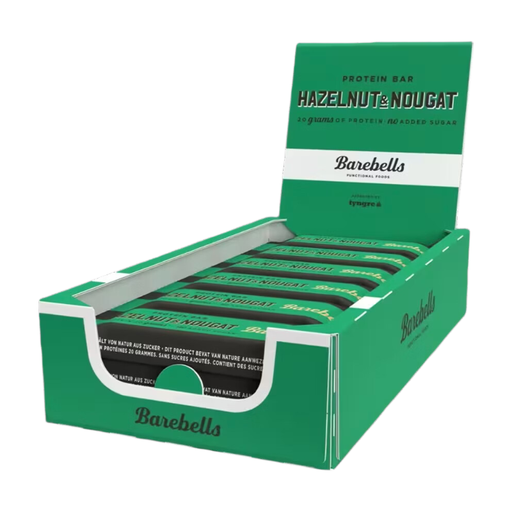
Why it suits this profile: A multipack with twelve individually wrapped bars is convenient for everyday use. The hazelnut and nougat flavour is ideal for shoppers looking for a sweet snack with a limited amount of sugar.
The product information states that each 55-gram bar contains 20 grams of protein and 1.4 grams of sugar. However, check the current packaging and bear the presence of polyols in mind.
20 grams of protein, 2.9 grams of fibre and twelve servings per pack.
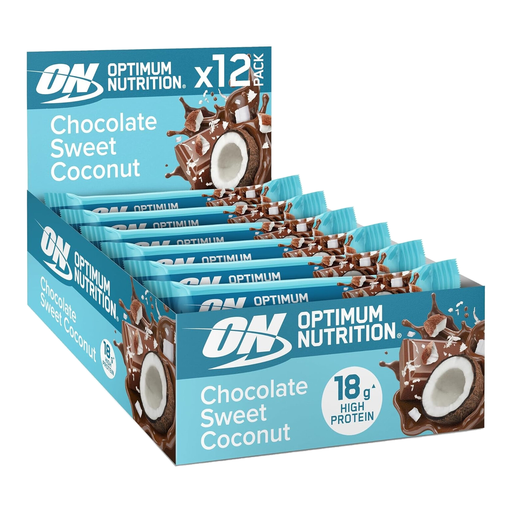
Why it suits this profile: This option combines a chocolate and coconut flavour with a multipack for enjoying between meals or after a workout.
This choice is based on the stated 59-gram size and 18 grams of protein per bar, rather than the brand positioning alone.
Twelve bars, 18 grams of protein per bar and a combination of chocolate and coconut.
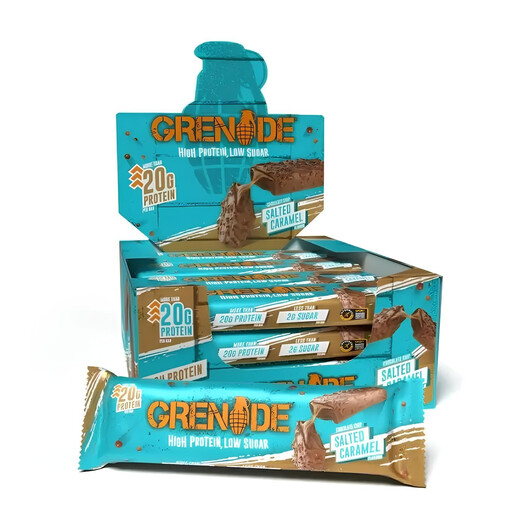
Why it suits this profile: The bars are individually wrapped and weigh 60 grams each. This makes them practical for your gym bag, work or when you are out and about and want a consistent portion.
As well as 20 grams of protein and approximately 1.4 grams of sugar, the polyol content is also stated. This allows you to take the sweeteners into account when making your purchase.
20 grams of protein per bar, 12 bars per box and a combination of chocolate and salted caramel.
First compare the price per bar, followed by the price per 100 grams. A larger bar may contain more protein, but it may also contain more calories, carbohydrates and sugar. Also check the allergens highlighted in bold on the packaging. Many varieties contain milk and soya; some also contain peanuts, hazelnuts, cashews or gluten.
If you are looking for a protein bar to support muscle recovery, you can use it as part of your daily diet around a training session. According to the product information, protein contributes to the growth and maintenance of muscle mass. This makes a bar convenient, but it is not a substitute for a varied diet.
We have put together a complete, up-to-date list of products that fully meet these strict selection criteria and the applicable European safety regulations.
This depends on your overall diet, energy needs and the guidance on the packaging. A bar is intended as a supplement, not as a replacement for a varied diet. Pay particular attention to polyols if you eat several bars a day.
No. A low sugar value says nothing about the total number of calories, fat, carbohydrates or sweeteners. Compare the complete nutritional table and check the ingredients. A low sugar value may be accompanied by a high polyol content.
Look for a size that is easy to take with you and around 18 to 25 grams of protein per bar. Barebells, Grenade Carb Killa, XXL Nutrition, Nutramino and Optimum Nutrition offer a range of varieties. Check the current nutritional values, ingredients and allergens for each flavour before ordering.
