
Vandaag of morgen in huis

Kwaliteit gegarandeerd

Welkomstaanbiedingen ontgrendelen: GRATIS bezorging | Tot 80% korting | Gratis 30 dagen JoyPlus-proefperiode
Download de app
A protein bar may seem like a simple purchase: choose a flavour, select a multipack and take the bars with you to the gym. Yet high protein bars can vary considerably in protein content, sugar, calories, sweeteners and portion size. Eye-catching packaging or a term such as “low sugar” does not tell the whole story.
For adults who take part in sports, go to the gym or are often on the go, the choice mainly comes down to practical details. Are you looking for a high-protein snack after exercise, a bar between meals or a product that fits your calorie plan? Check the nutritional values and ingredients list first.
A product may show a high protein percentage per 100 grams, while the individual bar is small. That is why you should always compare protein per bar. A 50–60 g portion containing 18–25 g of protein is easier to assess than simply looking at a large percentage displayed on the front.
Also check the source of the protein. Many bars contain milk proteins, whey protein, casein or collagen hydrolysate. These ingredients do not have the same composition. If you are consciously choosing a particular protein source, it is worth reading the full ingredients list.
A protein bar with little sugar can still contain relatively high levels of fat, carbohydrates or polyols. Sweeteners such as maltitol and other polyols are often used to limit the sugar content. A high intake may have a laxative effect for some people. So, alongside “of which sugars”, check the values for energy, fat, carbohydrates, fibre and polyols.
Protein bars are convenient after exercise, but they are no substitute for a varied diet. They are particularly useful when you do not have a meal or shake to hand. Also check the allergens: many bars contain milk, soya, peanuts, nuts or cereals containing gluten.
For a focused comparison, you can start with the number of grams of protein per bar. Across the range, values vary from around 6 grams in some nut bars to 25 grams in certain sports bars. A bar containing 18–20 grams of protein may be suitable as a supplement between meals. If you are mainly looking for a high protein intake per portion, you could also consider a bar with 25 grams or a protein powder.
The permitted nutritional claim relating to protein must comply with the relevant legal requirements. Therefore, look at the specific nutrition table rather than relying solely on marketing text.
Compare “sugars” per bar, not just per 100 grams. For example, a Barebells bar lists approximately 1.4–1.5 grams of sugar per bar, depending on the variant and the product information shown. The bars also contain sweeteners and polyols. According to the product information, excessive consumption may have a laxative effect.
Grenade Carb Killa bars are also listed in the product information as containing more than 20 grams of protein and 1.6 grams of sugar per bar. Always check the current label when buying, as recipes and packaging may change.
A multipack of 12 bars is practical for regular use, but it is only good value if you enjoy the flavour and can use them before their best-before date. A smaller pack or variety bundle may be a better choice if you want to try different flavours.
Store bars according to the packaging instructions: usually in a cool, dry place away from direct sunlight. Protein drinks require more care. Once opened, they generally need to be refrigerated and consumed within the stated period.
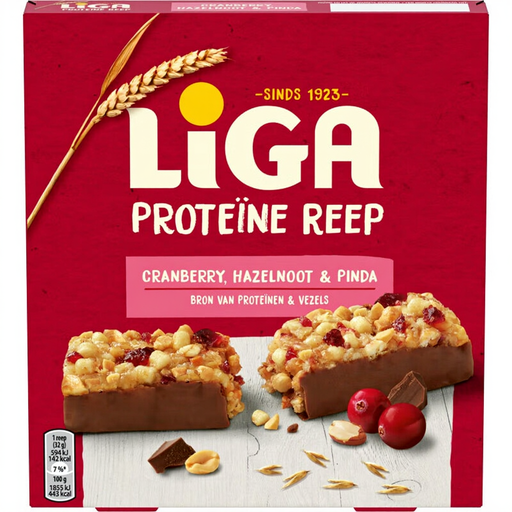
Why it suits this profile: An accessible option for anyone who wants to try a high-protein snack without immediately committing to a large sports nutrition purchase. The product information states 14 g of protein and 3.5 g of fibre per 100 g.
The nutritional information makes it clear that this is not a very high-protein sports bar: 14 g of protein and 28 g of sugar per 100 g. This allows you to compare the bar more realistically.
Source of protein and fibre according to the product information; suitable as an everyday snack on the go.
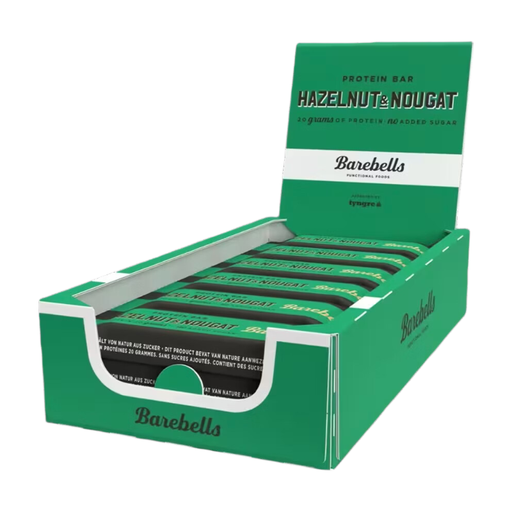
Why it suits this profile: A reliable multipack for active people looking for a consistent portion and a smooth hazelnut nougat flavour.
The values are listed per bar: 20 g of protein, approximately 1.4 g of sugar, 206 kcal and 2.9 g of fibre. However, the bar contains polyols and milk.
20 g of protein per 55 g; multipack with 12 individually wrapped bars; product information states that there are no added sugars.
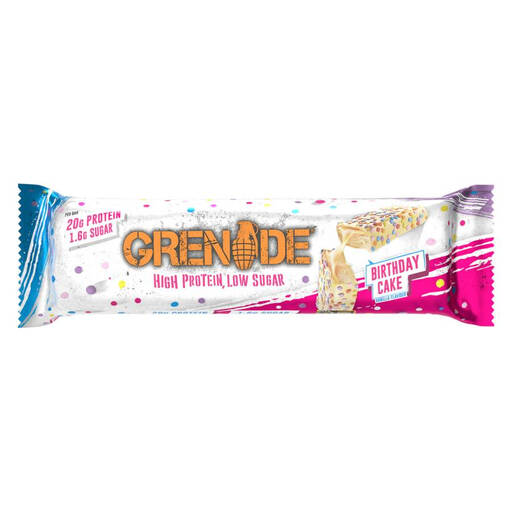
Why it suits this profile: Useful for people who want a larger bar with multiple layers and a distinctive flavour after training or while on the go.
The product information states more than 20 g of protein and 1.6 g of sugar per 60 g bar. At the same time, it warns of a high polyol content; excessive consumption may have a laxative effect.
12 individually wrapped bars; more than 20 g of protein per bar according to the product information; contains milk proteins and collagen hydrolysate.
We have put together a complete, up-to-date list of products that fully meet these strict selection criteria and the applicable European safety regulations.
A bar is mainly about convenience. You do not need a shaker, water or refrigeration. Protein powder and whey protein often offer more flexibility in terms of serving size, but require more preparation. For example, Applied Nutrition Critical Whey states approximately 20 grams of protein per serving, while Optimum Nutrition Gold Standard Isolate states 25 grams per shake. Always check the recommended serving size, allergens and preparation method when using powders.
A protein drink is ready to consume straight away. The Optimum Nutrition Protein Water bundle lists 16 grams of whey protein isolate per 350 ml bottle, with no sugar or fat according to the product information. This may be preferable if you would rather have a light, fruity drink after exercise than a solid snack.
That depends on your overall diet and when you plan to use it. Above all, compare the protein content per bar. For a practical sports nutrition snack, bars containing around 18–25 grams of protein are a clear category, but a smaller snack may deliberately contain less.
Not necessarily. Also check the calories, fat, carbohydrates, fibre, sweeteners and polyols. If you have allergies, always read the current packaging. Product formulations can change.
The best-before date is shown on the packaging. Store the bars in a cool, dry place away from direct sunlight, following the manufacturer's advice. Check the packaging when your order arrives and do not use a product if the packaging is damaged.
