
Vandaag of morgen in huis

Kwaliteit gegarandeerd

Welkomstaanbiedingen ontgrendelen: GRATIS bezorging | Tot 80% korting | Gratis 30 dagen JoyPlus-proefperiode
Download de app
As a Joybuy Product Recommendation Officer, I help you make choices based on facts, not marketing hype. A protein bar seems like a simple choice for a healthy snack, but the reality is often different. Many bars are no better than a candy bar. Let's explore the most common pitfalls and how to avoid them.
Before you purchase healthy snacks, it's crucial to know what to look for. Manufacturers use clever marketing to make products seem healthier than they are.
You don't need to be a nutritionist to make a smart choice. Just pay attention to these two points on the label.
A simple rule of thumb: look at the nutritional information per 100 grams. A good protein bar should ideally contain more grams of protein than grams of sugar. This is a quick indicator that the focus is on nutrition, not just a sweet taste. Bars with high sugar content are often just low-sugar snacks in disguise.
A long list of unrecognisable, chemical-sounding names is usually not a good sign. Look for products with a clear and short ingredient list. Ingredients like whole nuts, seeds, and whole grains (as found in gluten-free oat bars) form the foundation of a quality bar. These provide not only protein but also healthy fats and natural, fibre-rich nutrients.
Below are a few products suited for different needs, selected based on their product specifications.
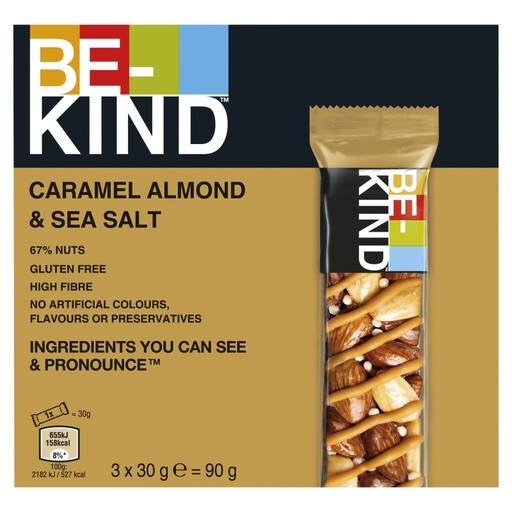
Why This Fits Their Persona: Ideal for those seeking a convenient and nutritious snack on the go. The bar is based on whole nuts, which provides a lasting feeling of satiety during a busy workday.
While it contains sugar from the caramel, whole almonds are the main ingredient. This avoids the 'empty filler' trap and delivers quality nutrients.
Contains 16 grams of protein per 100 grams and is gluten-free. The foundation of nut bars like this one ensures a good balance of protein and healthy fats.
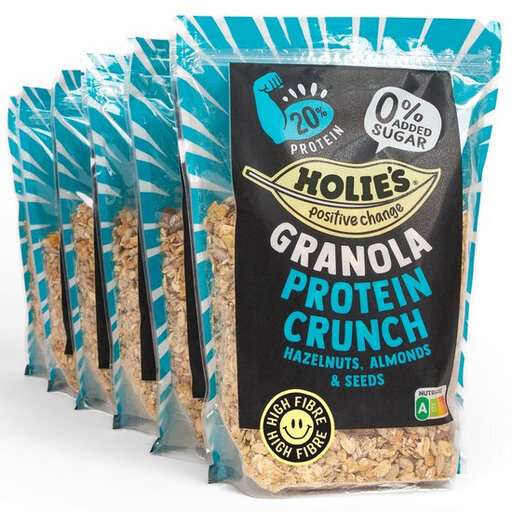
Why This Fits Their Persona: This granola is designed for a protein-rich start to the day or as a recovery snack after a workout. It can be eaten with milk or yoghurt, or as a crunchy snack straight from the bag.
Tackles the sugar trap head-on. According to the manufacturer, Holie, this product contains 0% added sugars, with only 2.8 grams of sugar per 100 grams. The protein comes from a mix of seeds, soy, nuts, and grains.
Contains 20 grams of protein per 100 grams. The combination of sunflower seeds, soy flakes, and nuts provides a complete nutritional source.
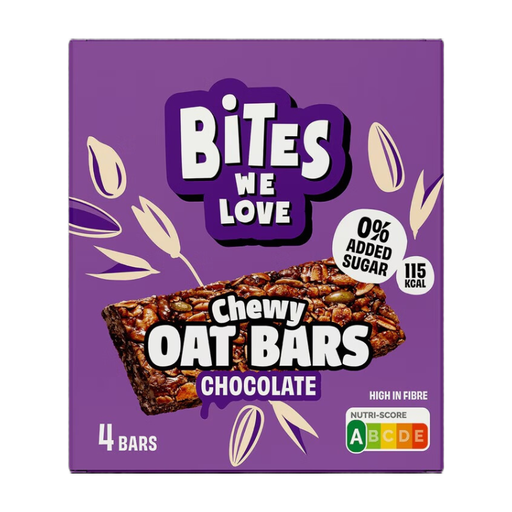
Why This Fits Their Persona: For those looking for a 'clean' snack. This bar is made from gluten-free oat bars and is packed with fibre, which contributes to a long-lasting feeling of satiety.
This bar has an excellent protein-to-sugar ratio (9g protein vs. 2.9g sugar per 100g). The ingredient list is based on whole foods like oats, seeds, and cocoa mass.
Extremely fibre-rich (29g per 100g) and very low in sugar. Completely gluten-free and made with natural ingredients.
We have compiled a complete, up-to-date list of products that meet these selection criteria and current regulations.
Protein bars are a supplement to your diet, not a meal replacement. For most people with an active lifestyle, one bar per day is a good guideline, for instance, after a workout or as a snack. It's always wise to monitor your total protein and sugar intake throughout the day.
Generally, no. While convenient, most bars lack the variety of vitamins, minerals, and other nutrients that a complete, balanced meal provides. Think of them as a stopgap or a quick energy boost, not as a regular meal substitute.
Always check the "of which sugars" section on the label. Be aware that "sugar-free" doesn't always mean it's free of sweeteners. Products may contain sugar alcohols (like maltitol or xylitol), which can cause digestive issues if consumed in excess. The best low-sugar snacks are those that are naturally low in sugar and have a short, recognisable ingredient list.
