
Vandaag of morgen in huis

Kwaliteit gegarandeerd

Welkomstaanbiedingen ontgrendelen: GRATIS bezorging | Tot 80% korting | Gratis 30 dagen JoyPlus-proefperiode
Download de app
A protein bar might seem like a straightforward purchase at first. But protein bars can vary considerably in their protein content, sugar, sweeteners, serving size and allergens. Eye-catching packaging or a “high protein” claim doesn’t tell the whole story. If you only look at the front of the pack, you could end up with a snack made mostly of syrup, chocolate and sweeteners.
For sportspeople, fitness enthusiasts and active adults, there are three common pitfalls:
First, check how many grams of protein there are per bar. After a workout, many people look for around 15 to 25 g of protein per serving. This isn’t a requirement for every snack, but it’s a useful way to compare them.
Check the source of the protein, too. Many bars use whey, milk protein, casein or soya protein. Others contain hydrolysed collagen. If you prefer a particular protein source, check the ingredients list rather than relying on the front of the pack.
A low-sugar protein bar can still contain relatively high amounts of carbohydrates, fat or sweeteners. So compare:
For example, XXL Nutrition N’Joy Chocolate Caramel lists 2.6 g of sugar and 26 g of polyols per 55 g. Barebells Protein Salty Peanut lists 2.7 g of sugar per 55 g. These figures are more useful than a general claim on the front of the pack.
A high-protein snack with added fibre can be a practical choice between meals. Do check the serving size, though: nutritional values per 100 g can make it difficult to compare small and large bars.
Also check which allergens are highlighted in bold on the label. The products in this guide include milk, soya, peanuts, almonds, hazelnuts, gluten and oats. If you avoid lactose, milk protein or animal-derived ingredients, take extra care when checking. Product information can change, so the label on the pack is the one to follow.
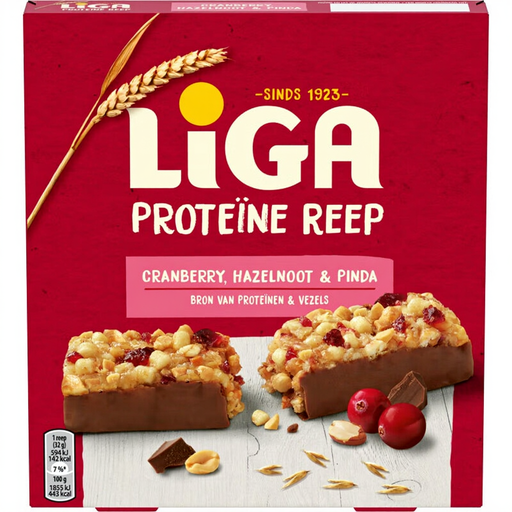
Why it suits this profile: An accessible snack for anyone new to sports nutrition who wants a bar to take to work, school or on the go. The product information lists 14 g of protein and 3.5 g of fibre per 100 g.
The nutritional information makes clear that this isn’t a very high-protein fitness bar per serving. That makes it easier to compare fairly with regular cereal and snack bars.
A source of protein and fibre according to the product description, with a crunchy texture and cranberry and hazelnut. It does contain 28 g of sugar per 100 g.
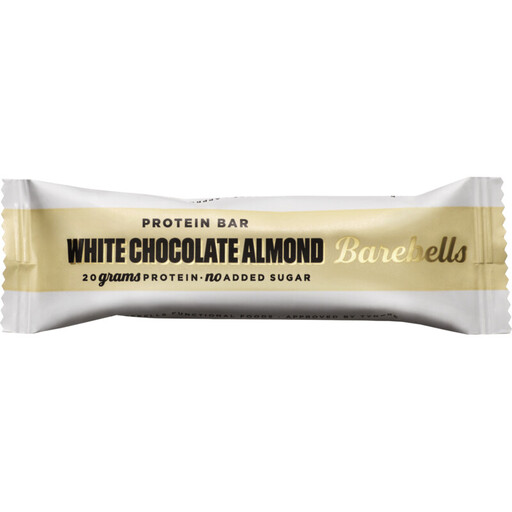
Why it suits this profile: A good choice if you’re looking for a compact protein bar with a distinctive, dessert-like flavour and relatively little sugar.
The figures list 2.2 g of sugar per 55 g bar, 36 g of protein per 100 g and 7 g of fibre per 100 g. This makes the key figures easy to check.
36 g of protein and 2.2 g of sugar per 100 g according to the product information, with a white chocolate and almond flavour. Contains milk, soya and almonds.
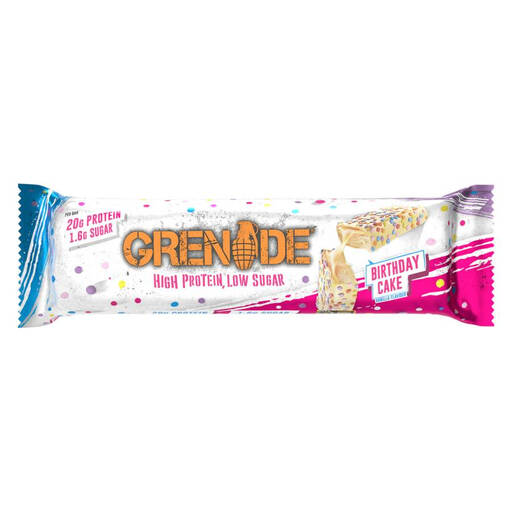
Why it suits this profile: A multipack of individually wrapped bars to keep in your gym bag, take on your commute or enjoy as a regular post-workout snack.
The product information lists more than 20 g of protein and 1.6 g of sugar per bar. Do check the polyol warning and the milk and collagen content.
Each individually wrapped bar weighs 60 g. The description lists three layers of nougat, vanilla filling and white chocolate. Contains milk and beef collagen.
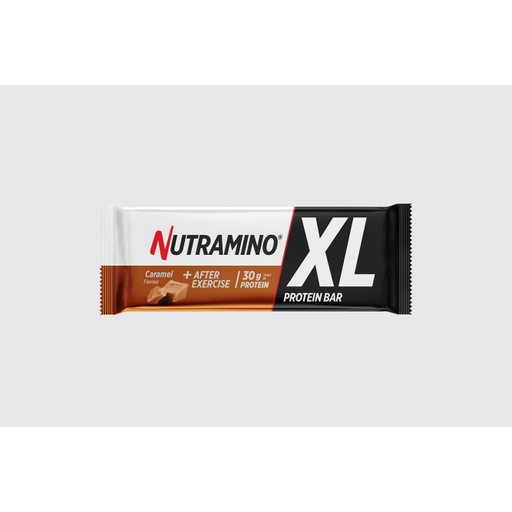
Why it suits this profile: A larger bar for adults who want a filling snack to take along for between meals or after an intense workout.
The serving is clearly listed as 74 g, with 25 g of protein. So you can see at a glance that it’s a larger bar, which may also provide more calories and carbohydrates.
25 g of protein per bar, with a soft centre, soya crispies and milk chocolate according to the product description. Contains milk and soya, and lists 19 g of sugar per bar.
We’ve put together a complete, up-to-date list of products that meet these strict selection criteria and the applicable European safety regulations.
It depends on your overall diet and when you train. A bar can be a convenient option after a workout or between meals when a regular meal isn’t readily available. Check the serving size, protein content and sugar per product. A protein bar isn’t a substitute for a varied diet.
No. “Low sugar” tells you nothing about the amount of fat, calories, carbohydrates or polyols. So read the full nutritional information table. If you have a sensitive digestive system, it’s a good idea to follow the warning about sweeteners and the recommended amount.
Store most bars in a cool, dry place, away from direct sunlight, heat and moisture. Keep the wrapper sealed until you’re ready to eat the bar, and don’t consume it if the packaging is damaged. Always check the use-by date and the latest label before buying and eating a product.
