
Vandaag of morgen in huis

Kwaliteit gegarandeerd

Welkomstaanbiedingen ontgrendelen: GRATIS bezorging | Tot 80% korting | Gratis 30 dagen JoyPlus-proefperiode
Download de app
At first glance, a protein bar may seem easy to compare. In reality, protein bars vary considerably in protein content, sugar, calories, sweeteners, serving size and ingredients. Eye-catching packaging featuring terms such as “high protein” does not always tell you enough about the nutritional value or convenience of use.
For active adults, fitness enthusiasts and people who want to add extra protein while on the go, three pitfalls are particularly important:
Do not look only at the nutritional information per 100 grams. Also check how much protein one bar contains. Across the available range, serving sizes vary from around 50 to 74 grams.
A 55-gram bar containing 20 grams of protein can be a practical everyday protein snack. Some larger bars provide 25 grams of protein each. A product with a lower protein content may be more suitable if you are mainly looking for a light snack between meals.
Also consider the type of protein. Many products contain milk protein, whey, casein, soya protein or hydrolysed collagen. These ingredients are not interchangeable and may be relevant if you have allergies or intolerances, or follow a vegetarian diet.
If you are looking for a low-sugar protein bar, it is worth looking beyond the figure listed under “sugars”. Some bars use maltitol, glycerol, sorbitol or other sweeteners. These ingredients can affect the flavour and texture. High consumption of polyols may also have a laxative effect. Always check the warning on the packaging.
A low sugar content also says nothing about the total number of calories. Nuts, chocolate coatings and fats can increase the energy content. That is not necessarily a problem, but it does determine whether the bar suits your goal: adding extra protein, having a snack on the go or providing an energy source around exercise.
Many protein bars contain milk, soya, peanuts, nuts, cereals containing gluten or egg. Always read the current packaging, even if you have bought the product before. Recipes can change.
Pay attention to the packaging too. Individually wrapped bars are handy for a gym bag, desk or long train journey. A protein bar multipack is practical if you use a bar regularly, but check that all the flavours and nutritional values are the same. With variety bundles, the ingredients may differ from one flavour to another.
The options below are based on the available product information, including protein per serving, sugar content, ingredients, packaging and intended use. They are not ranked from best to worst.
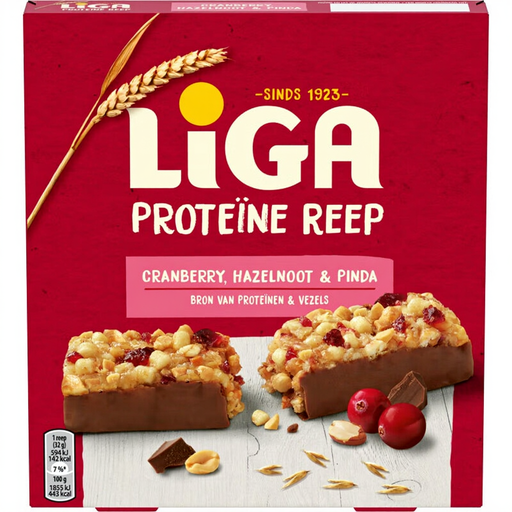
Why it suits this profile: An accessible choice for anyone who wants to try out different protein snacks first. The pack contains several bars, combining grains, cranberry and hazelnut.
The nutritional information makes it clear that the bar contains 14 g of protein and 28 g of sugars per 100 g. This shows that it is more of a cereal bar with protein than a low-sugar protein bar.
A source of protein and fibre; suitable as a compact snack on the go.
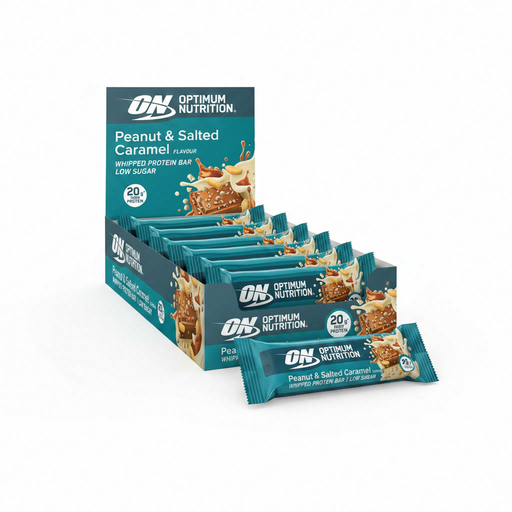
Why it suits this profile: A multipack for active users who regularly take a protein bar with them after exercise or between meals.
The product information states that each bar contains 20 g of protein and also mentions sweeteners and possible laxative effects if consumed excessively.
Ten individually wrapped bars; a combination of peanut, salted caramel and a white chocolate coating.
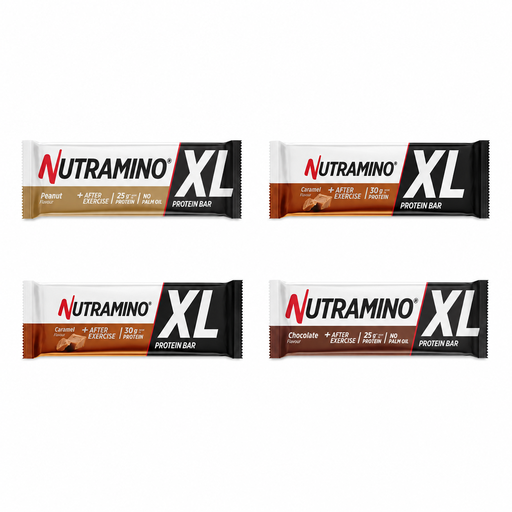
Why it suits this profile: Ideal for athletes who want a larger bar after training and like to alternate between different flavours.
The bundle clearly states which flavours and quantities are included. That way, you will not accidentally buy a multipack containing one flavour that you use less often.
Four bars in three flavours; each bar weighs 74 g and, according to the product description, contains 25 g of protein.
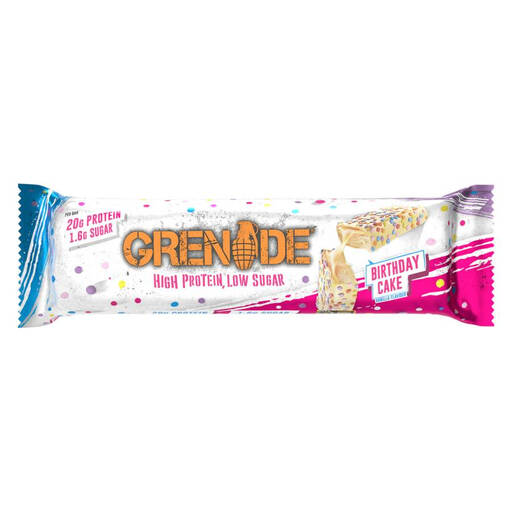
Why it suits this profile: Suitable for anyone looking for a protein bar with a chocolate-style flavour while also wanting to limit the sugar content per serving.
According to the product information, each bar contains more than 20 g of protein and 1.6 g of sugar. The ingredients do include maltitol and other sweeteners, so check your personal tolerance.
Twelve individually wrapped bars; low sugar content according to the product description; three layers with protein nougat, vanilla filling and coating.
We have put together a complete, up-to-date list of products that fully meet these strict selection criteria and the applicable European safety regulations.
A protein bar can be eaten after exercise, between meals or while on the go. The exact timing is less important than your overall diet. Check the serving size, protein content and calories if you are specifically using the bar as a recovery snack.
The best-before date is shown on the packaging. Bars should generally be stored in a cool, dry place away from direct sunlight. Some products recommend a lower storage temperature, such as below 18 °C. It is best not to use a product with damaged packaging.
That depends on your nutritional needs and the bar’s ingredients. Protein bars are a practical addition, but they do not replace a varied diet. Products containing a lot of polyols may also cause gastrointestinal problems when consumed in large quantities. Always read the instructions and allergen information before buying a protein bar.
