
Vandaag of morgen in huis

Kwaliteit gegarandeerd

Welkomstaanbiedingen ontgrendelen: GRATIS bezorging | Tot 80% korting | Gratis 30 dagen JoyPlus-proefperiode
Download de app
A protein bar may seem like a simple purchase: choose a flavour, click order and put a few bars in your gym bag. However, protein bars can vary considerably in protein content, sugar, sweeteners, allergens, serving size and price per bar. A bar with “protein” on the packaging is not automatically the right choice for your everyday needs.
For active adults, fitness enthusiasts and people who are often on the go, making the right choice is mainly about nutritional values and when you plan to eat it. In this guide, you’ll learn what to look for, which marketing claims to view critically and which protein bars suit different needs.
Don’t just compare the protein content per 100 grams. A 55-gram bar with 20 grams of protein is different from a small 23-gram snack bar. So always check protein per bar as well as the total weight.
A product may look impressive per 100 grams but contain relatively little protein per serving in practice. For example, the Hero B'Tween Zero Muesli Bar contains 7.3 grams of protein per 100 grams. That makes it a cereal bar for an everyday snack, but not a direct substitute for a high-protein sports bar.
Protein bars with little sugar often contain sweeteners such as maltitol, sorbitol, erythritol or sucralose. This can help keep the sugar content low, but some products contain relatively high levels of polyols. The packaging will usually include a warning that excessive consumption may have a laxative effect.
So, as well as sugars, check polyols, calories and fat. A bar with little sugar can still contain around 200 kcal. What’s more, “no added sugars” does not always mean “sugar-free”: natural or other sugars present may still be listed in the nutritional table.
Caramel, chocolate and crunchy toppings make a bar appealing, but the ingredients list tells you more. Check the first ingredients, the type of protein and the allergens. Many protein bars contain milk, soya, peanuts, nuts or gluten. Some varieties contain collagen and are therefore unsuitable for vegetarians.
Claims about muscle recovery or muscle growth should not be interpreted as a personal health outcome. According to product information from various brands, protein contributes to the growth and maintenance of muscle mass. This is not a guarantee of a particular result; your overall diet and lifestyle remain decisive.
For a post-workout snack, many shoppers look for around 15 to 25 grams of protein per bar. This is not a universal standard, but it is a useful point of comparison. Barebells Caramel & Cashew states 20 grams of protein per 55-gram bar. The XXL Nutrition High Protein Bar Chocolate states 25 grams of protein per 50-gram bar.
Also check the type of protein. Milk protein, whey protein, soya protein and collagen have different properties and are not suitable for every dietary preference.
If you’re specifically looking for low-sugar protein bars, compare the sugar content per serving with the total carbohydrate content. Barebells Caramel & Cashew contains 1.5 grams of sugar per bar, while the bar also contains 5 grams of polyols. The product information warns of possible laxative effects in the event of excessive consumption.
A standard cereal or nut bar may contain more sugar, but it may also have a different texture and flavour. According to the nutritional information provided, the LiGA Protein Bar Cranberry contains 14 grams of protein and 28 grams of sugar per 100 grams. This makes it more suitable as a sweet snack than as a choice for someone primarily looking for a low-sugar option.
Read the allergen information in full, even if you already know the brand. Look out for statements such as “may contain”. If you avoid gluten, you can’t rely solely on the front of the packaging. For a vegetarian choice, you should also check that the bar does not contain collagen.
Buying in bulk with a protein bar bundle can be cost-effective and convenient, but check the best-before date, flavours and ingredients first. A bundle containing different products is useful if you want to try out what suits you. A multipack with one flavour is a better fit if you already know which bar you use regularly.
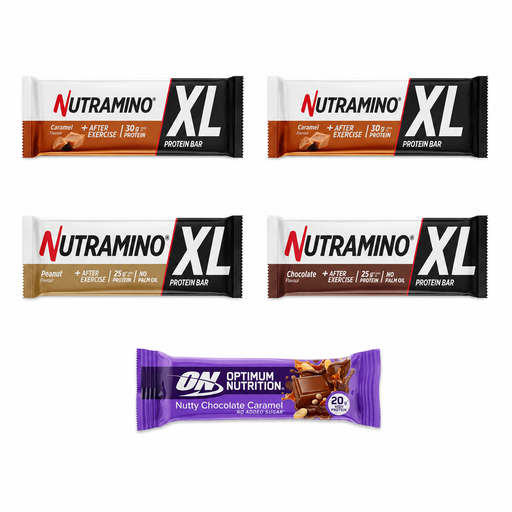
Why it suits this profile: A bundle with five bars and several flavours is practical if you want to compare different protein bars before buying a larger supply.
You don’t have to buy several boxes of one flavour straight away. However, check the individual nutritional values and allergen information for each variety on the packaging.
Five bars in different flavours; according to the product information, the Optimum Nutrition variety provides 20 grams of protein per bar.
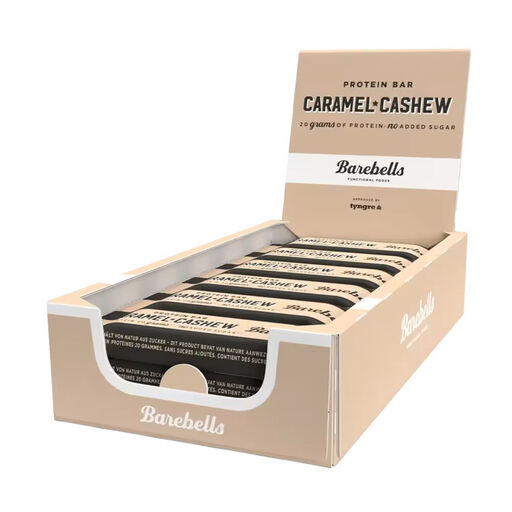
Why it suits this profile: This multipack is ideal for anyone who wants a reliable supply for work, travel or regular training.
The nutritional information lists protein, sugar, fibre and polyols per bar. This means you can assess the serving without relying solely on the front of the packaging.
12 individually wrapped bars; 20 grams of protein per bar and approximately 1.5 grams of sugar according to the product information.

Why it suits this profile: A compact bar with a high stated protein percentage for athletes who want to plan their portions precisely.
The stated values are clear: 25 grams of protein and 0.7 grams of sugar per bar according to the product description. Check the current packaging before purchase.
50 grams per bar; according to the product information, 179 kcal, 25 grams of protein and 0.7 grams of sugar per serving.
We’ve put together a complete, up-to-date list of products that fully meet these strict selection criteria and the applicable European safety regulations.
They can be a practical option when you want to eat something quickly, for example on your way home. Check the protein content per bar and choose a product that fits into your overall diet. A protein bar is not a substitute for a varied diet. According to brands’ own product information, protein contributes to the growth and maintenance of muscle mass; this is not a personal guarantee of results.
Check the table per serving for sugars, carbohydrates, polyols and calories. Also read the warnings about sweeteners. A low sugar content does not automatically mean that a bar is low in calories or easy for everyone to digest.
A multipack or bundle can reduce the price per bar and is convenient for keeping a supply at home or in the office. However, compare the price per 100 grams, the number of bars, the protein content and the best-before date. If you still want to try different flavours, a variety bundle lets you make a more informed choice first.
