
Vandaag of morgen in huis

Kwaliteit gegarandeerd

Welkomstaanbiedingen ontgrendelen: GRATIS bezorging | Tot 80% korting | Gratis 30 dagen JoyPlus-proefperiode
Download de app
At first glance, choosing a protein bar seems straightforward. However, protein bars vary considerably in protein content, sugar, sweeteners, portion size and ingredients. Eye-catching packaging or the term “high-protein snack” says little on its own about whether a product is suitable for your particular eating occasion.
Adults who exercise, do fitness training or are often on the go are especially likely to make three common purchasing mistakes:
A protein bar is not a replacement for a varied diet, either. Think of it as a practical addition for when you’re on the go, between meals or after exercising.
First, check the nutritional value per bar, not just the value per 100 grams. A 55-gram serving containing 20 grams of protein is not directly comparable with a 74-gram bar containing 25 grams of protein.
For a protein bar after exercise or a protein bar for when you’re out and about, these points are useful to consider:
Under European nutrition claim regulations, a product may, subject to certain conditions, be labelled “high in protein”. This does not automatically mean that the product is low in sugar, low in calories or suitable for every athlete. Always check the full label.
When looking for a low-sugar protein bar, people often focus only on the line stating “of which sugars”. That is too narrow a view. Many bars use sweeteners such as maltitol, sorbitol, erythritol or sucralose. Excessive consumption of polyols may have a laxative effect; this warning also appears on various products in the range.
Compare the following per bar:
For example, a bar containing 1.5 grams of sugar may still contain around 200 kcal. Barebells Caramel & Cashew lists 20 grams of protein, 1.5 grams of sugar, 3.1 grams of fibre and 200 kcal per bar. This makes it interesting for anyone looking to limit sugar, but it is not automatically low in calories.
Read the allergens highlighted in bold on the packaging. The selected protein bars include milk, soya, peanuts, cashew nuts, hazelnuts, gluten and eggs, among others. Not every bar is vegetarian, either: some varieties contain hydrolysed collagen.
Also pay attention to practical details:
A protein bar variety pack is useful when you want to try different flavours, but check the nutritional values for each variety. The bars in a mixed box may differ from one another.
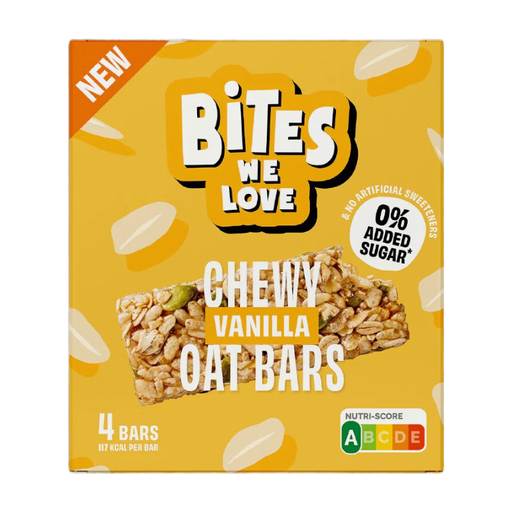
Why it suits this profile: An accessible snack with a soft texture for anyone who wants to try different types of bars without immediately buying a large protein bar variety pack.
The product information clearly highlights oats, fibre and seeds. This is not a classic protein bar, so you should take extra care to check the nutritional value per serving.
Four pieces per pack, a soft oat snack and clearly stated storage instructions.
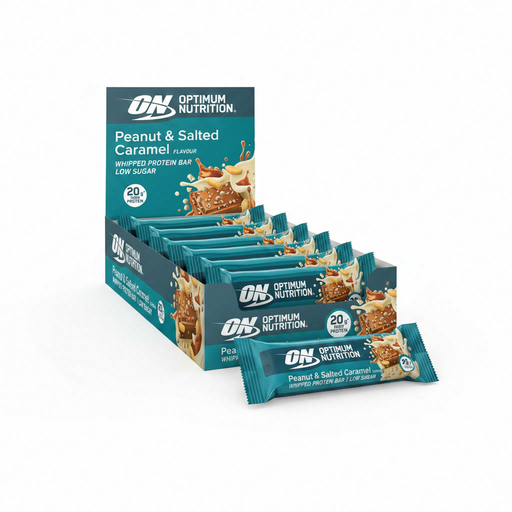
Why it suits this profile: A multipack of 10 bars for anyone who regularly enjoys a high-protein snack at the office, in the car or after training.
The product information states 20 grams of protein per bar and lists milk, soya and peanuts as allergens. This allows you to assess the serving and suitability in advance.
10 x 60 grams, 20 grams of protein per bar and a soft texture with peanut and caramel flavour.

Why it suits this profile: For users who want to combine a high amount of protein per serving with a low stated sugar content.
The product specification lists 25 grams of protein and 0.7 grams of sugar per bar. Do check the allergens, however: milk, soya, peanuts and gluten are listed.
50 grams per bar, 25 grams of protein and 179 kcal according to the stated product information.
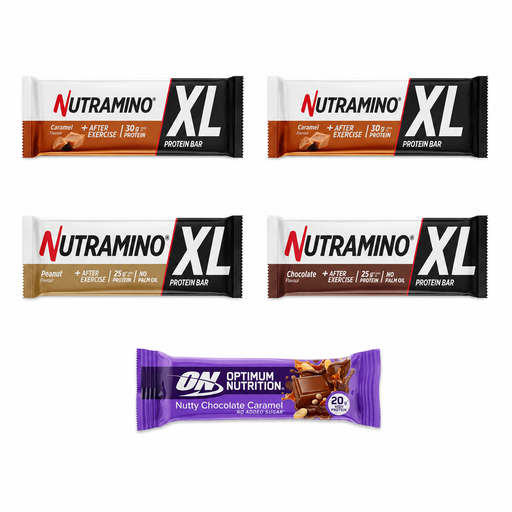
Why it suits this profile: Handy if you want to compare flavours or need a protein bar at several points during the week.
The bundle identifies the individual bars and flavours. Nutritional values differ between varieties, so check each package before making your choice.
Five bars, several flavours and Nutramino varieties containing 25 grams of protein per 74 grams.
We’ve put together a complete, up-to-date list of products that fully meet these strict selection criteria and the applicable European safety regulations.
That depends on your overall diet and the type of training you do. A bar containing 20 to 25 grams of protein can be a practical choice after exercise or between meals. Also check the calories, carbohydrates and ingredients. According to their own product information, some brands position certain bars specifically for use after exercise; this is usage advice from the brand and does not indicate a medical effect.
Follow the best-before date and storage instructions on the packaging. Most products should be stored in a cool, dry place away from direct sunlight. Do not leave a bar in a hot car for a prolonged period. Check the packaging before eating and do not use a product if the packaging is damaged.
Not always. Compare the price per bar, the protein content per serving and the number of bars in the pack. A multipack may reduce the price per item, but it is only good value if you actually use the bars. Also look at polyols and calories, so that a low sugar value does not become your only criterion.
