
Vandaag of morgen in huis

Kwaliteit gegarandeerd

Welkomstaanbiedingen ontgrendelen: GRATIS bezorging | Tot 80% korting | Gratis 30 dagen JoyPlus-proefperiode
Download de app
At first glance, a protein bar seems like a straightforward purchase. Yet protein bars vary widely in protein content, sugar, calories, sweeteners, size and texture. A bar with a sporty-looking wrapper doesn’t automatically mean it’s high in protein. Likewise, the term “low sugar” tells you little unless you check the nutritional values per whole bar.
For adults who exercise, are often on the go, or are looking for a protein-rich snack, there are three common pitfalls to watch out for:
First, look at the number of grams of protein per full serving. For a post-workout protein bar, the options in this selection range roughly from 16g to 25g per bar. That gives you a much clearer picture than just a percentage on the wrapper.
Also pay attention to the size. A 74g bar with 25g of protein isn’t directly comparable to a 50g or 55g bar. So compare:
The Nutramino XL Protein Bar contains 25g of protein per 74g bar, according to the nutritional information provided. The XXL Nutrition High Protein Bar Chocolate states 25g of protein per 50g bar. The serving size therefore makes a big difference in the ratio.
If you’re looking for protein bars with low sugar, don’t just look at the front of the pack. Check the “of which sugars” line in the nutrition table. Some bars also contain high levels of polyols, such as maltitol. These don’t provide the same nutritional value as sugar, but a high intake can have a laxative effect, according to product warnings.
The Grenade Carb Killa Chocolate Chip Salted Caramel states 1.4g of sugar per 60g bar and 20g of protein. That suits someone looking to limit sugar, but the bar also contains polyols and sweeteners. The XXL Nutrition High Protein Bar Chocolate states 0.7g of sugar per bar according to the product description, but it also contains sweeteners.
So don’t use “low sugar” as your only selection criterion. Also look at calories, fibre, fats and the full ingredients list.
A protein bar for on the go needs to be practical, but it also needs to fit your dietary choices. Check for milk and soya products, nuts, peanuts and gluten. If in doubt, the packaging is your guide, as recipes and labels can change.
Texture matters too. Crunchy bars tend to be firmer and less likely to get damaged in a bag. Soft bars with caramel can become sticky in warm weather. Store them as the label advises – usually in a cool, dry place away from direct sunlight.
A protein bar can be used as a snack between meals, before a workout or after exercise. The recommended timing and effects are product claims from the manufacturer; they are not personal dietary advice. A bar is also not a substitute for a varied diet.
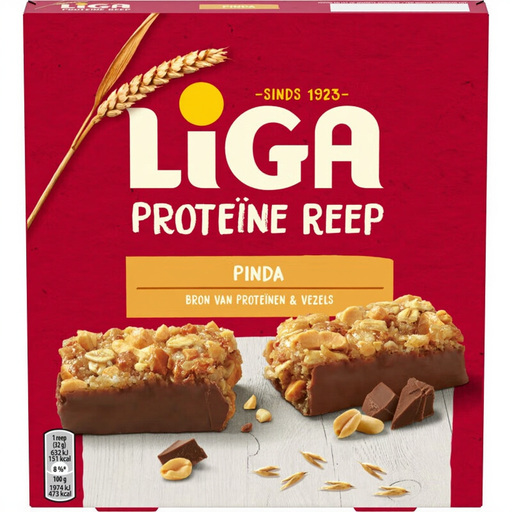
Why this fits the profile: This pack is ideal for anyone wanting to try a protein-rich snack for the first time, with a familiar grain and peanut flavour. Per 100g, the product information states 15g of protein and 24g of sugar.
The nutritional information makes it clear that this is not a low-sugar sports bar. So you buy the product based on its actual composition, not just the name “protein”.
A source of protein and fibre according to the product description; contains peanut, milk, soya and gluten, so check the allergens at the time of purchase.
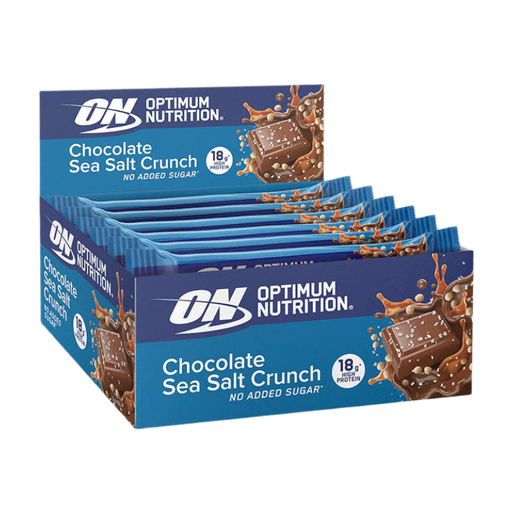
Why this fits the profile: The multipack contains 12 bars of 55g each. According to the product information, each bar provides 20g of protein and has a crunchy texture with a chocolate and sea salt flavour.
The fixed size and quantity per box make the price per bar easy to calculate. Do check the current packaging for the exact sugar and allergen information.
20g of protein per bar; individually wrapped and therefore practical for work, the car or your gym bag.
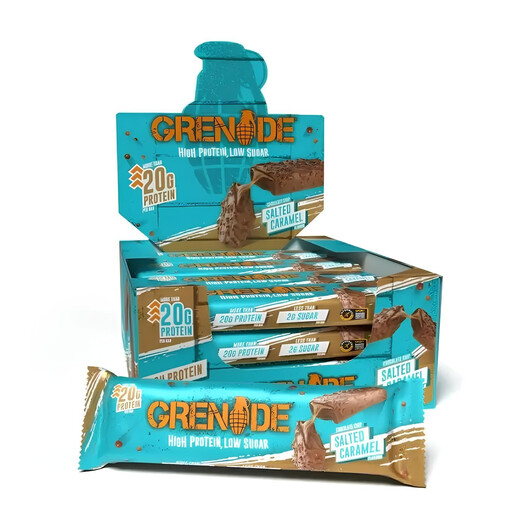
Why this fits the profile: This box contains 12 bars of 60g each. Per bar, the product information states 20g of protein, 1.4g of sugar and 226 kcal. That makes this bar suitable for anyone who wants to compare nutritional values closely.
The sugar value is stated per whole bar. However, be aware of the presence of maltitol, sucralose and other polyols; excessive consumption may have a laxative effect, according to the product information.
20g of protein per bar; chocolate topping with chocolate chips and a salted caramel flavour. Contains milk and soya.
We’ve put together a full, up-to-date list of products that fully meet these strict selection criteria and comply with current European safety regulations.
That depends on your overall diet and your training schedule. A protein bar can be practical when you can’t have a proper meal straight away. The timing a brand mentions on the packaging is a product recommendation, not a fixed rule for everyone.
Not automatically. Also look at the protein content, calories, fats, fibre and sweeteners. A bar that is low in sugar can be relatively high in polyols. If you have a sensitive digestive system, check the warning on the packaging and stick to the recommended amount.
The best-before date is on the packaging. Store bars in a cool, dry place, away from direct sunlight and heat. A soft protein bar with caramel can change texture at high temperatures. Before eating, always check the best-before date, the packaging and the current ingredients list.
