
Vandaag of morgen in huis

Kwaliteit gegarandeerd

Welkomstaanbiedingen ontgrendelen: GRATIS bezorging | Tot 80% korting | Gratis 30 dagen JoyPlus-proefperiode
Download de app
At first glance, a protein bar seems simple: you pick a flavour, pop it in your gym bag and you’re good to go. But protein bars vary widely in nutritional value, portion size, ingredients and price per bar. A bar with an eye-catching protein percentage isn’t automatically the right choice for your eating occasion or training goal.
Keep an eye out for these three common pitfalls:
For a high-protein snack, the amount per serving is the most practical figure. Across the range, values vary from around 16 to 25g of protein per bar. The Barebells Protein Salty Peanut, for example, states 37g of protein per 100g; on a 55g bar, that works out at roughly 20g of protein.
Also look at the protein source. Milk protein, whey and casein are different ingredients from collagen hydrolysate or plant-based wheat and soya protein. The product packaging will tell you which sources have actually been used. Don’t automatically expect the same texture or flavour from every protein bar.
If you’re looking for a protein bar with low sugar, check the nutritional information table per bar. The XXL Nutrition High Protein Bar Chocolate states 25g of protein and 0.7g of sugar per 50g bar. The Barebells Caramel & Cashew states 20g of protein per 55g bar and 1.5g of sugar per serving.
A low sugar content doesn’t mean a bar is free from sweeteners or calories. So also check:
For on-the-go, an individually wrapped bar is handy. If you use a protein bar after exercise daily, a multipack or protein bar bundle can help you keep your stock organised. Do check the overall shelf life and storage instructions.
If you have allergies, always check the current packaging. Many products contain milk and soya. Peanuts, cashew nuts, hazelnuts, gluten and traces of other nuts are also common. Even a bar with a relatively simple ingredients list, such as a soya product, isn’t automatically suitable for everyone.

Why this fits the profile: The 50g portion is compact, and the product information states 25g of protein, 0.7g of sugar and 179 kcal per bar. That makes comparing easy for anyone just starting out with sports nutrition.
The protein and sugar values are listed both per 100g and per portion. Do check for the presence of milk, soya and possible peanut allergens.
25g of protein per bar, 0.7g of sugar and a chocolate flavour in an individual 50g portion.
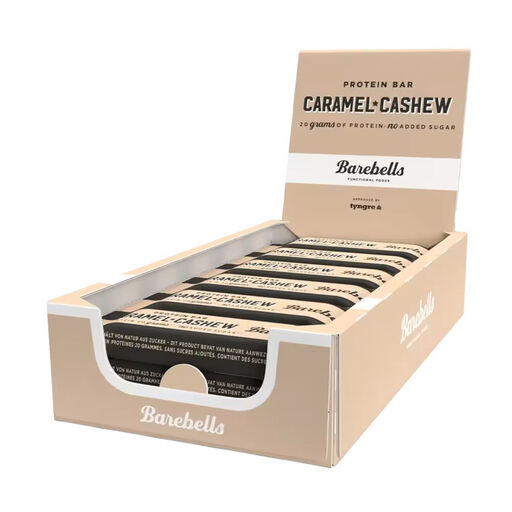
Why this fits the profile: This multipack contains 12 bars of 55g with caramel, cashew pieces and a chocolate coating. Each bar is stated to provide 20g of protein, 200 kcal and 3.1g of fibre.
The portion size and nutritional values per bar are clearly stated. The bar does contain polyols and allergens such as milk, cashew and peanut.
12 individually wrapped bars, 20g of protein per serving and 3.1g of fibre per bar.
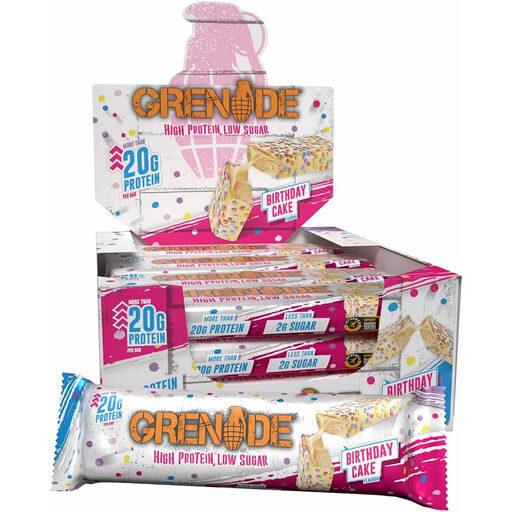
Why this fits the profile: The box contains 12 bars of 60g. According to the product description, each bar provides 20g of protein and 1.6g of sugar, with a sweet Birthday Cake flavour.
The information lists not only the protein content, but also the sugar value, portion size and allergens. The bar contains milk and soya and may contain traces of gluten, peanuts and nuts.
12 bars, 20g of protein per bar, 1.6g of sugar per bar and a stated gluten-free product specification.
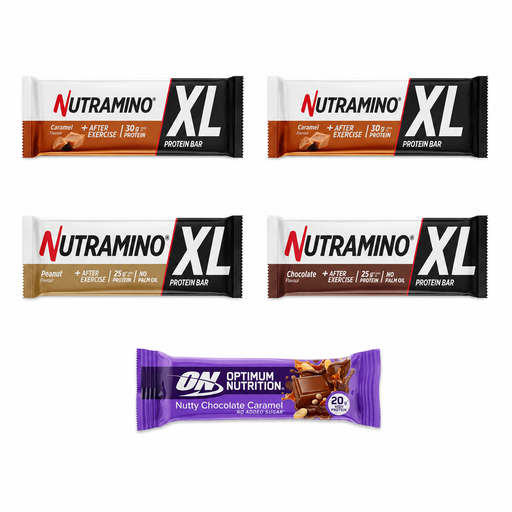
Why this fits the profile: This bundle contains five bars in multiple flavours, including chocolate-caramel, chocolate-peanut and double chocolate. Handy if you want to try different varieties.
You’re not committing to a large box of one flavour straight away. Do check the individual nutritional values and allergens per variant, as the composition may differ.
Five bars, multiple flavours and a practical choice for work, travel or training sessions.
We’ve put together a full, up-to-date list of products that fully meet these strict selection criteria and comply with current European safety regulations.
That depends on your overall eating pattern and when you’ll have your next full meal. A protein bar can be practical straight after a workout or later as a snack between meals. Check the portion, calories and ingredients rather than just looking at the timing on the label.
Not automatically. A low sugar value can go hand in hand with polyols, sweeteners, a high fat content or a high energy value. So compare the full nutritional information table per bar. If you have a sensitive digestive system, it’s wise to read the warning about polyols on the packaging.
The best-before date is on the individual wrapper or the box. Store bars in a cool, dry place away from direct sunlight, unless the label gives different instructions. Don’t use a damaged wrapper, and when buying a multipack, check the date before you buy protein bars in bulk.
