
Vandaag of morgen in huis

Kwaliteit gegarandeerd

Welkomstaanbiedingen ontgrendelen: GRATIS bezorging | Tot 80% korting | Gratis 30 dagen JoyPlus-proefperiode
Download de app
A protein bar might seem like a straightforward purchase: pick a flavour, drop a box in your basket and grab one for the gym or the office. Yet protein bars vary widely in nutritional value, portion size, sweeteners and allergens. A flashy wrapper or the term high protein bar doesn't tell you much on its own.
As Joybuy Product Recommendation Officer, I filter the most important product information down to the practical points. That way, you can quickly see which protein-rich snack suits your eating occasion, budget and nutritional goals.
Brands often list nutritional values per 100g. That makes products comparable, but portion sizes differ. A 50g bar with 50g of protein per 100g actually delivers 25g of protein. A 55g bar with 36g of protein per 100g gives you roughly 20g.
So always look at both values:
A protein bar with little sugar can still be relatively high in fat, carbohydrates or calories. That's not necessarily a problem, but it needs to fit your goal. According to the product information, the XXL Nutrition High Protein Bar Chocolate contains 25g of protein and 0.7g of sugar per 50g bar. The Liga Protein Bar Peanut, on the other hand, contains 15g of protein and 24g of sugar per 100g.
Also watch out for polyols, such as maltitol, sorbitol and glycerol. Some products carry a warning that excessive consumption may have a laxative effect. So check the ingredients list and follow the instructions on the packaging.
A protein bar with chocolate, peanuts or nuts may contain milk, soya, gluten or several types of nuts. A product may also contain traces of allergens. Always check the current packaging, especially if you have a food allergy or intolerance.
Also pay attention to the protein source. Many bars use milk protein, whey protein, soya protein or collagen hydrolysate. If you eat a vegetarian diet, avoid lactose or want to limit animal ingredients, you need to look beyond just the protein content.
For a handy protein bar for after exercise, many consumers choose a serving with roughly 15 to 25g of protein. That's a practical comparison, not a general daily recommendation. The right amount depends on your overall diet and personal circumstances.
Check whether the protein comes from:
A higher protein content doesn't automatically mean the bar is a better fit for you. Texture, taste, sugar, calories and your tolerance for sweeteners all count too.
If you're looking for a protein bar with low sugar, compare the value per bar. Barebells Hazelnut & Nougat, for example, lists 20g of protein and 1.4g of sugar per 55g bar. The Barebells Caramel & Cashew product information states 20g of protein and roughly 1 to 1.5g of sugar per bar; check the current packaging at the time of purchase, as details can change.
A low sugar value can go hand in hand with sweeteners and polyols. If you're sensitive to those, don't choose based solely on the front of the wrapper.
Individually wrapped bars are practical for on the go. Multipacks are often more convenient if you regularly use a protein-rich snack, but compare the price per bar. Also check:
A nut bar like Zonnatura Organic Nut Bar with Apple and Cinnamon contains plenty of peanuts and almonds according to the product information, but delivers 19g of protein and 24g of sugars per 100g. That makes this snack different from a classic low-sugar protein bar.
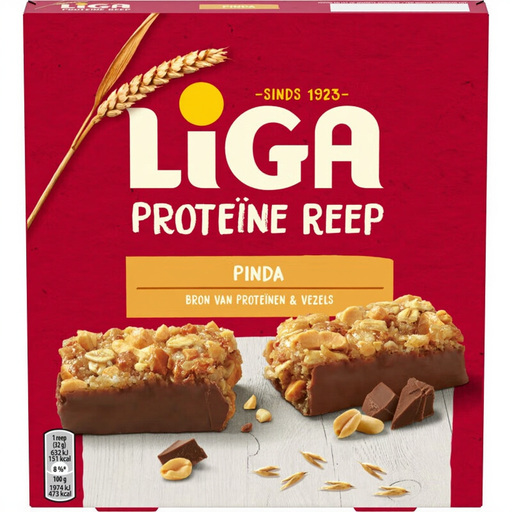
Why this fits: An accessible choice if you want to try a bar between meals or on the go without immediately buying a large sports nutrition pack.
The nutritional values are listed per 100g, so you can consciously compare the sugar and protein content with other bars.
15g protein and 4.2g fibre per 100g; peanut flavour and a crunchy texture.

Why this fits: Aimed at consumers who want to compare high protein and low sugar per bar.
The product information states 25g protein and 0.7g sugar per 50g bar. Check the packaging at the time of purchase.
50% protein according to the provided nutritional information; chocolate flavour and a 50g portion.
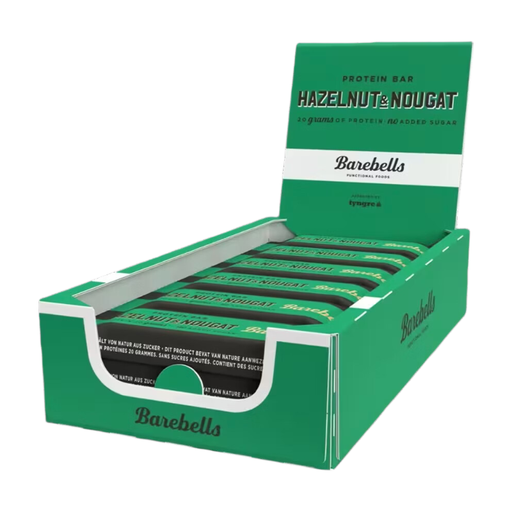
Why this fits: A multipack for anyone who regularly takes a protein-rich snack to work, training or on the go.
The product information lists a low sugar value, but also polyols. If you're sensitive to those, you need to take this into account.
20g protein, 2.9g fibre and 1.4g sugar per bar according to the provided data.
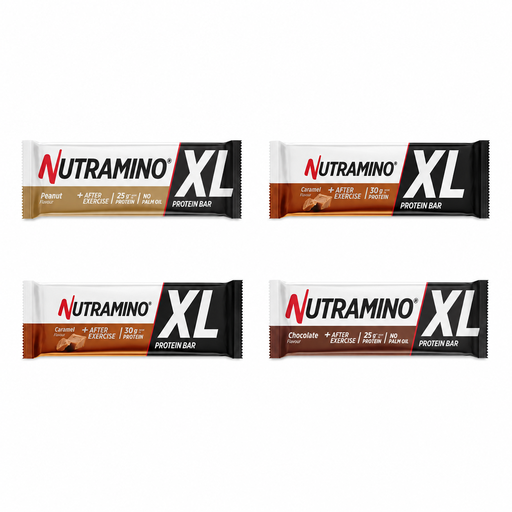
Why this fits: Ideal if you want to take several flavours with you during busy workdays, car journeys or after different workouts.
You're not immediately buying a large box of one flavour: the bundle contains three variants and makes comparing easier.
Four bars of 74g each; two Chocolate Caramel, one Chocolate Peanut and one Double Chocolate.
Browse a current selection of energy bars and compare flavour, packaging and nutritional information before you choose.
A protein bar can be practical after exercise or between meals, especially when you don't have a full meal with you. The products differ in protein, carbohydrates and calories. Choose based on your overall diet and check the product information. A bar does not replace a varied diet.
The best-before date is on the packaging. Store bars in a cool, dry place, away from direct sunlight and heat sources. In a hot car, chocolate can soften and the texture may change. Do not use a product if the packaging is damaged.
Not automatically. A low sugar value can go hand in hand with more fat, sweeteners or polyols. So compare the full label: protein per bar, calories, fibre, ingredients and allergens. That way you'll find a protein-rich snack that genuinely suits your use and preferences.
