
Vandaag of morgen in huis

Kwaliteit gegarandeerd

Welkomstaanbiedingen ontgrendelen: GRATIS bezorging | Tot 80% korting | Gratis 30 dagen JoyPlus-proefperiode
Download de app
At first glance, comparing protein bars seems straightforward. The front of the pack often boasts big claims like “high protein”, “low sugar” or “no added sugars”. Yet the nutritional value can vary significantly from bar to bar. Even a protein bar with low sugar isn’t automatically right for your eating occasion, allergies or training goal.
The main pitfalls with protein bars are:
For a protein bar to eat after exercise, the amount per bar is the most practical figure. A bar weighing 50 to 60g typically contains fewer total nutrients than a larger bar, but can still make a meaningful protein contribution.
So always compare:
A high protein content doesn’t mean the bar replaces a meal. Think of protein bars as a supplement within a varied diet.
If you’re looking for a protein bar with low sugar, it’s worth reading the full nutrition table. Check not only “of which sugars” but also the total carbohydrates and any polyols.
For example:
This shows why comparing per portion is more useful than just a striking percentage on the packaging. Also look out for warnings about excessive consumption of polyols.
Many protein bars contain milk, soya, peanuts, nuts, gluten or several of these allergens. Always check the current packaging, especially when a product states “may contain traces of”.
Packaging also determines how convenient a product is:
The ingredients list is in descending order. So don’t just look at the front; also check for milk protein, collagen, fibre, sweeteners, fats and any nuts.

Why this fits the profile: The 50g portion is compact and the product description states 25g protein and 0.7g sugar per bar. This makes the bar easy to compare for anyone just starting out with sports nutrition.
The information states the amount per bar, not just per 100g. Do check the actual packaging and allergens when you receive it.
50g per bar; according to the product description, 25g protein and 0.7g sugar per portion.
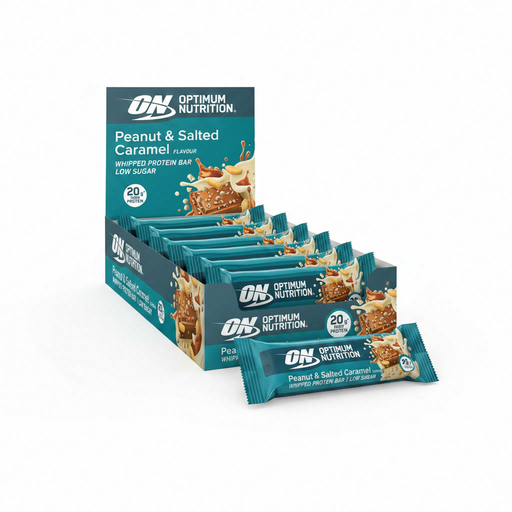
Why this fits the profile: This box contains ten bars with peanut butter and salted caramel flavour. The combination of a multipack and a soft texture suits regular use at the office, on the go or around a workout.
The box states the number of bars and total weight. Check the allergens: according to the description, this product contains milk, soya and peanuts.
10 individually wrapped bars; 60g stated single serving; peanut butter and caramel flavour.
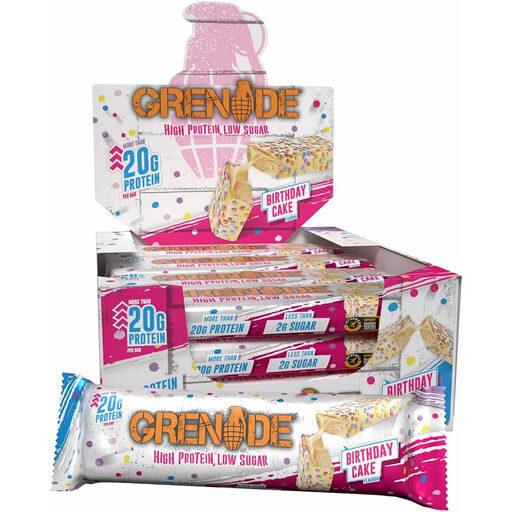
Why this fits the profile: The box contains twelve 60g bars. According to the product description, each bar provides 20g protein and 1.6g sugar, which is handy if you regularly take a fixed supply of sports nutrition with you.
The product information makes the protein, sugar, portion size and number of bars visible. The ingredients list states milk and soya; also check the warning for possible traces.
12 bars of 60g; according to the product description, 20g protein and 1.6g sugar per bar; Birthday Cake flavour.
We’ve put together a full, up-to-date list of products that fully meet these strict selection criteria and comply with current European safety regulations.
That depends on your overall diet and when you’ll next have a full meal. A protein bar can be practical after exercise, between meals or on the go. Check the portion size and don’t automatically combine the bar with extra supplements if you don’t need them.
The best-before date is on the packaging. Generally, store bars in a cool, dry place away from direct sunlight, unless the manufacturer gives different instructions. Heat can change the texture of chocolate, caramel and soft fillings. Don’t use a damaged wrapper.
Not necessarily. Also look at calories, fats, total carbohydrates, fibre, sweeteners and allergens. A bar with low sugar might, for example, contain relatively high levels of polyols. So choose based on the full nutrition table and the occasion when you plan to eat the bar.
