
Vandaag of morgen in huis

Kwaliteit gegarandeerd

Welkomstaanbiedingen ontgrendelen: GRATIS bezorging | Tot 80% korting | Gratis 30 dagen JoyPlus-proefperiode
Download de app
A protein bar may seem simple at first glance: choose a flavour, check the number of grams of protein and order a multipack. Yet protein bars vary considerably in composition, portion size and price per bar. For example, a bar with a strikingly high protein content may also contain a lot of polyols, calories or allergens.
For sporty adults, fitness enthusiasts and active consumers, these are the three main pitfalls to watch out for:
First, look at the protein content per individual bar. For a protein bar after exercise, a serving containing around 18 to 25 grams of protein can be practical if you want to supplement your daily protein intake. This does not mean that the bar itself guarantees muscle recovery. According to product information from various brands, protein contributes to the growth and maintenance of muscle mass; your overall diet and training routine remain decisive.
Also consider the type of protein. Many protein bars use milk protein, whey protein, casein, soya protein or hydrolysed collagen. These sources have different properties and are not suitable for everyone. If you follow a vegetarian diet, you should also check that the bar does not contain bovine collagen.
If you are looking for protein bars with little sugar, you need to read the entire label. A bar may contain little sugar but still include maltitol, glycerol, erythritol or other polyols. Excessive consumption of polyols can have a laxative effect. So, alongside “of which sugars”, also check the line for polyols.
A low sugar content is particularly relevant if you are consciously trying to eat fewer added sugars. It does not automatically mean that a bar is light or low in calories. For example, a larger Nutramino XL bar contains 25 grams of protein, but also 30 grams of carbohydrates and 19 grams of sugar per bar according to the stated nutritional information.
A protein bar for taking on the go should be practical: individually wrapped, sturdy enough for a gym bag and suitable for eating without any preparation. Pay attention to the weight. Many bars weigh 50, 55, 60, 68, 70 or 74 grams. A protein bar bundle is useful if you eat a bar regularly, but compare the price per item and the best-before date.
Flavour also matters. Chocolate, caramel, peanut, hazelnut and coconut are common options. If you have an allergy, always check the current packaging. Product information can change, and statements such as “may contain” are important.
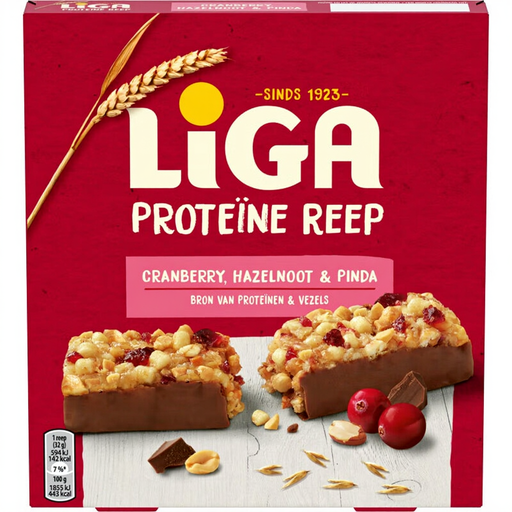
Why it suits this profile: The 160-gram pack is suitable for trying protein bars without immediately buying a large supply of sports nutrition products. The bar is described as a source of protein and fibre with a crunchy texture.
The nutritional information lists 14 g of protein, 28 g of sugars and 443 kcal per 100 g. This makes it immediately clear that these are not low-sugar protein bars.
Source of fibre according to the product information; hazelnut and cranberry elements; suitable as a regular snack between meals.

Why it suits this profile: According to the product details, this compact bar provides 25 g of protein and 179 kcal per 50 g serving. This makes it suitable for buyers looking for a high protein concentration in a small bar.
The values are shown per 50 g serving, so you do not need to recalculate them from 100 g. However, the bar contains maltitol, so check your tolerance for sweeteners.
25 g of protein per bar; 0.7 g of sugar per 50 g according to the stated nutritional values; chocolate flavour.
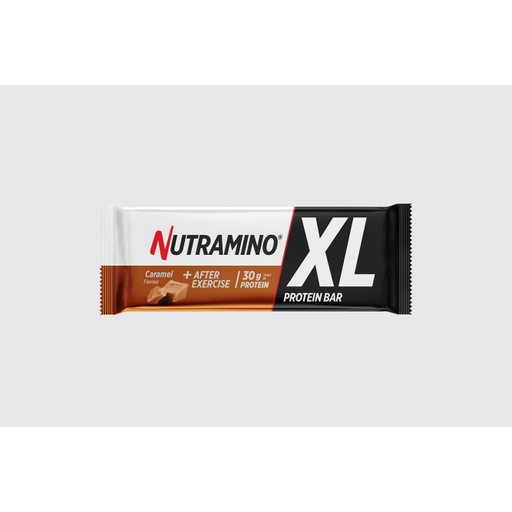
Why it suits this profile: Weighing 74 g, this is a larger protein bar for anyone who wants to combine more energy and carbohydrates with protein after an intensive workout or during an active day.
The large portion prevents you from looking only at the protein percentage: each bar also contains 30 g of carbohydrates, 19 g of sugar and 284 kcal.
25 g of protein per bar; soft centre with crunchy soya pieces; practical as a protein bar for taking on the go.
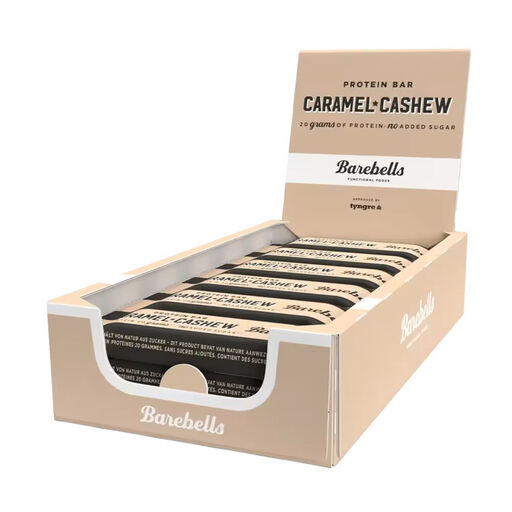
Why it suits this profile: This protein bar bundle contains 12 bars weighing 55 g each, with a caramel and cashew flavour. The nutritional information lists 20 g of protein and 1.5 g of sugar per bar.
Alongside the sugar content, the packaging also lists 5 g of polyols per bar. This shows that “little sugar” does not mean the product is free from sweeteners.
20 g of protein; 3.1 g of fibre; 12 individually wrapped bars for home, work or after exercise.
We have compiled a complete, up-to-date list of products that fully meet these strict selection criteria and the applicable European safety regulations.
You can eat one immediately after training, but also later in the day. The most important thing is whether the bar fits into your overall diet. After a strenuous workout, you may want to choose a larger portion containing carbohydrates; between meals, a smaller bar may be more practical.
Not necessarily. Also check the calories, fats, carbohydrates, polyols and ingredients. A bar that is low in sugar may still be relatively high in energy because of sweeteners or a chocolate coating.
The best-before information is shown on the packaging. As a rule, store bars in a cool, dry place away from direct sunlight and sources of heat and moisture. When you receive them, check the packaging, ingredients and date again, particularly if you have allergies or intolerances.
