
Vandaag of morgen in huis

Kwaliteit gegarandeerd

Welkomstaanbiedingen ontgrendelen: GRATIS bezorging | Tot 80% korting | Gratis 30 dagen JoyPlus-proefperiode
Download de app
At first glance, comparing protein bars seems simple: check the number of grams of protein and choose a flavour you like. In practice, labels can vary significantly. Some bars contain relatively high levels of sugar, while others use sweeteners and polyols that not everyone finds comfortable. A product with a high protein percentage may also be less suitable if you need extra carbohydrates after an intense workout.
This buying guide helps you compare protein bars, high-protein bars and other protein snacks sensibly. You’ll see what to look out for and which options suit different occasions.
A packet may display a high protein figure, but this is often given per 100 grams. For example, a bar may weigh 50, 55, 60 or 74 grams. Always compare the protein content per bar, not just the amount per 100 grams.
A 55-gram bar containing 20 grams of protein provides something different per serving from a 74-gram bar containing 25 grams of protein. The larger bar will also often contain more calories and carbohydrates.
A protein bar with no added sugar may still contain naturally occurring sugars. So check the ‘of which sugars’ line in the nutrition table. According to the product information, Barebells Caramel & Cashew contains 1.5 grams of sugar per bar and no added sugars.
Also look out for sweeteners such as maltitol, sorbitol and sucralose. Several products state that excessive consumption may have a laxative effect because of their polyol content.
A bar is convenient when you’re out and about, between meals or as a protein bar after exercise. However, nutritional values vary considerably from one product to another. Some bars contain 200 kcal, while a larger Nutramino bar provides around 284 kcal and contains 30 grams of carbohydrates. Use a bar as part of your eating pattern, rather than as a replacement for varied meals.
For a practical comparison, look at:
According to the product information, the XXL Nutrition High Protein Bar Chocolate contains 25 grams of protein per 50-gram bar. Barebells Protein Bars contain 20 grams of protein per 55-gram bar. These are useful figures if you’re looking for a compact, protein-rich snack, but they don’t automatically indicate anything about flavour or how filling the bar will be.
If you’re looking for a low-sugar protein bar, you need to distinguish between sugar and total carbohydrates. A product may contain little sugar but still be relatively high in carbohydrates because of ingredients such as maltitol, fibre or other components.
Also check whether polyols are listed. Some bars carry a warning that excessive consumption may have a laxative effect. This is particularly relevant if you eat several protein bars a day.
Always read the full ingredients list if you have an allergy or intolerance. Many products contain milk and soya. Depending on the variant, they may also contain peanuts, hazelnuts, cashew nuts, gluten or other nuts.
Also consider your goal:
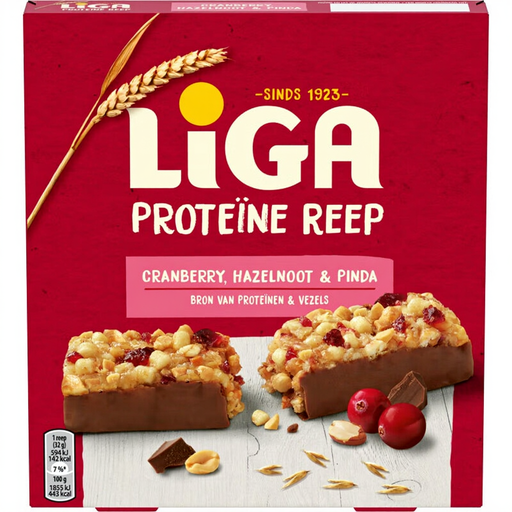
Why it suits this profile: An accessible choice for anyone trying protein bars for the first time and looking for a smaller pack.
The serving size and nutritional values are clearly stated. However, the product contains 28 grams of sugar per 100 grams, so it’s still important to compare products before buying.
A source of protein and fibre; 160-gram pack.
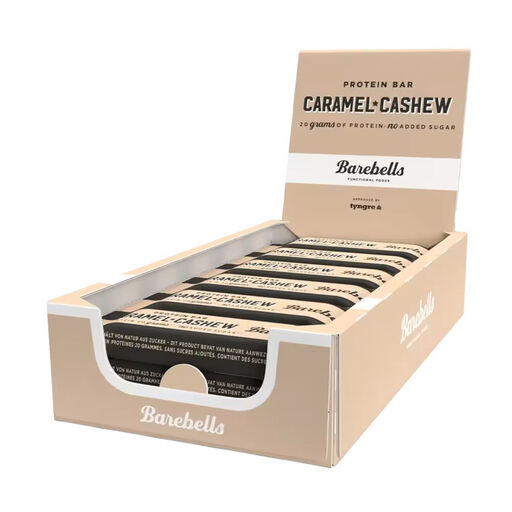
Why it suits this profile: A box of twelve bars is ideal for buyers who regularly take a reliable snack to work, the gym or when travelling.
The product information states both the protein and sugar content per bar. However, be aware of the polyols and allergens present, such as milk, cashew and peanuts.
20 grams of protein and around 200 kcal per bar; 3.1 grams of fibre per bar.

Why it suits this profile: For athletes who want a relatively high amount of protein in a small serving while keeping sugar intake low.
The nutritional values are provided both per bar and per 100 grams. Check the allergens: the product information lists milk, soya, peanuts and cereals containing gluten, among others.
25 grams of protein, 0.7 grams of sugar and 179 kcal per bar according to the product description.
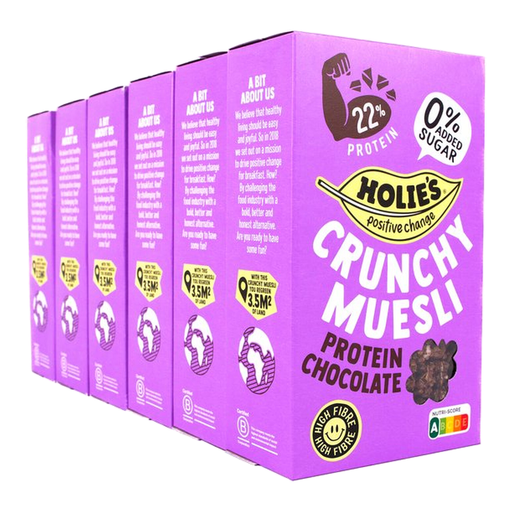
Why it suits this profile: A bulk pack for anyone who would rather make a high-protein breakfast than eat a separate bar every day.
The protein and fibre content is stated per 100 grams. Bear in mind that a serving of muesli may be more than 100 grams and therefore provide more calories.
22 grams of protein and 21 grams of fibre per 100 grams; no added sugar according to the product information.
We’ve put together a complete, up-to-date list of products that fully meet these strict selection criteria and the applicable European safety regulations.
You can eat a protein bar after exercise when a regular meal isn’t immediately available. Check the protein content per bar, and also look at the carbohydrates and calories. A compact bar may be sufficient as a light snack; after an intense workout, a product with more carbohydrates may fit better with your overall nutrition plan.
No. ‘No added sugar’ refers to the ingredients, not automatically to zero grams of sugar. Check the nutrition table and also see whether sweeteners and polyols have been used. The composition may vary by flavour, even within the same brand.
The shelf life is stated on the packaging. As a general rule, store bars in a cool, dry place, away from direct sunlight and sources of heat and moisture. Check the packaging before eating and do not use a product if the packaging is damaged. If you have allergies or intolerances, always follow the current packaging, as ingredients and nutritional values may change.
