
Vandaag of morgen in huis

Kwaliteit gegarandeerd

Welkomstaanbiedingen ontgrendelen: GRATIS bezorging | Tot 80% korting | Gratis 30 dagen JoyPlus-proefperiode
Download de app
At first glance, a protein bar seems simple: pick a flavour, add it to your basket and you're done. Yet protein bars vary significantly in protein content, sugar, sweeteners, portion size and ingredients. A flashy wrapper or a claim like "high protein" doesn't tell the whole story.
As a Joybuy Product Recommendation Officer, I filter product information down to the practical details. That way, you can see which protein bars suit your workout schedule, daily routine and dietary preferences.
A protein bar with low sugar can still contain relatively high levels of carbohydrates, fats or polyols. Always check the nutritional information per bar, not just per 100g. A 60g or 70g bar might look similar to a 50g or 55g bar, but it often contains more calories.
Many protein bars combine milk protein, whey protein, collagen, soya protein or nuts. This affects the texture and can be important if you have allergies, intolerances or follow a vegetarian lifestyle. Check the bold allergens on the label, especially milk, soya, peanuts, nuts and gluten.
Maltitol, glycerol, sucralose and other sweeteners are common in low-sugar protein bars. Product information often states that excessive consumption of polyols may have a laxative effect. So don't see "sugar-free" or "no added sugars" as a reason to eat several bars in a row.
For a protein bar for after exercise or as a high-protein snack, the content in many popular products ranges from around 18 to 25g per bar. This makes comparison straightforward, as long as the portion sizes are similar.
Examples from the range:
According to permitted nutritional information, proteins contribute to the growth and maintenance of muscle mass. However, a protein bar does not replace a varied diet.
If you want a low-sugar protein bar, compare at least:
Grenade Carb Killa, for example, states 1.4g sugar per 60g bar. Barebells Hazelnut & Nougat states 1.4g sugar per 55g bar. The product composition can vary by flavour, so always check the specific packaging.
A low sugar value can go hand in hand with sweeteners such as maltitol or sucralose. If you are sensitive to polyols, it is wise to try one bar first rather than buying a large multipack straight away.
A soft bar is pleasant between meals, while a crunchy or chocolate-coated variety can feel more like a treat. Also pay attention to the packaging:
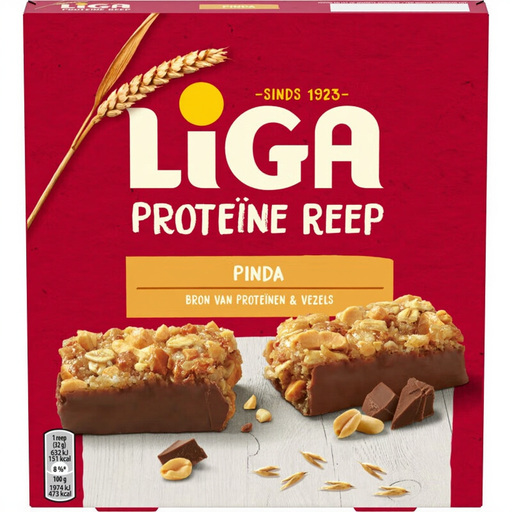
Why This Fits Their Persona: An accessible choice for anyone looking for a snack with grains, peanuts and protein without immediately buying a large sports nutrition multipack.
The nutritional information makes it clear that this variant contains 15g protein and 24g sugar per 100g. So it is not a hidden choice for those specifically looking for low sugar.
A source of protein and fibre according to the product description; available in a 160g pack.
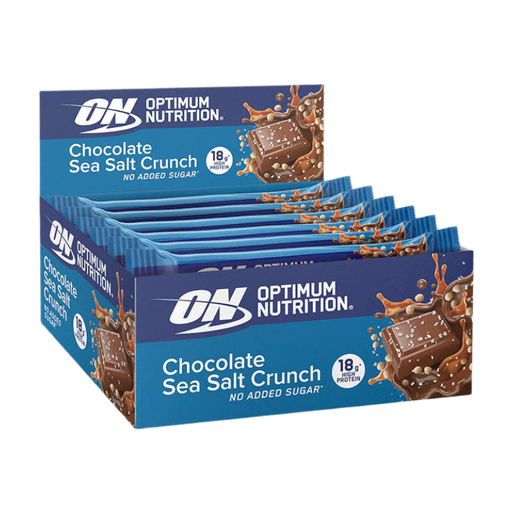
Why This Fits Their Persona: Suits athletes who want a steady supply of crunchy chocolate bars for after training, at the office or on the go.
The packaging clearly states 20g protein per bar and 12 bars of 55g. You should still compare the claim "no added sugars" against the full nutritional information.
20g protein per portion; crunchy texture; multipack with 12 individually usable bars.
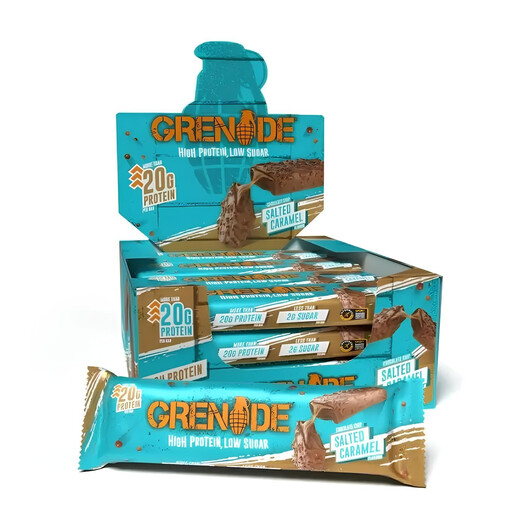
Why This Fits Their Persona: Handy for active consumers who regularly take a bar to work, the gym or on the go and consider a low sugar value important.
Alongside the low sugar value, the product information states 18g polyols per bar. This makes the composition more transparent and helps you avoid overconsumption.
20g protein and 1.4g sugar per bar according to the stated nutritional information; box of 12 x 60g bars.

Why This Fits Their Persona: Suitable for athletes who carefully compare portions, calories and macros and are looking for a compact chocolate bar.
The stated values per 50g are clearly defined: 25g protein, 0.7g sugar and 179 kcal per bar according to the product description.
25g protein per bar; 50% protein according to the stated composition; chocolate flavour.
Browse a current overview of protein bars with different flavours, protein contents, sugar values and pack sizes.
A deal is particularly interesting when the price per bar works out lower and you already know the flavour. Divide the total price by the number of bars and then also compare the weight per bar. A multipack of 12 bars is not automatically better value if the portions are smaller or if you don't use a particular flavour.
Also pay attention to the best-before date, storage conditions and any differences between flavours. With Barebells protein bars, Grenade Carb Killa protein bars and Optimum Nutrition protein bars, nutritional values can vary by variant.
That depends on your overall eating pattern and training time. You can use a protein bar after exercise, between meals or on the go. The product packaging may suggest a time to eat it, but there is no general rule that you must eat a bar within a set number of minutes.
They can be, within a varied diet. Do check calories, fibre, sugar, polyols and allergens. A protein bar is a handy supplement, but not a replacement for regular meals or a varied diet.
Not automatically. Also look at sweeteners, polyols, fats, calories and the total protein value. If you are sensitive to certain ingredients, always check the current packaging. Product compositions can change.
