
Vandaag of morgen in huis

Kwaliteit gegarandeerd

Welkomstaanbiedingen ontgrendelen: GRATIS bezorging | Tot 80% korting | Gratis 30 dagen JoyPlus-proefperiode
Download de app
A protein bar may seem like a simple purchase, but the differences between protein bars can be significant. The protein content, amount of sugar, size and sweeteners used all determine whether a bar fits into your daily routine. If you are often on the go, you will also have different requirements from someone looking for a substantial snack mainly after exercise.
As a Joybuy Product Recommendation Officer, I assess product information against verifiable criteria. This helps you avoid choosing based solely on an appealing flavour name or attention-grabbing claim.
A percentage on the packaging may look impressive, but always check the number of grams of protein per bar. For example, a large 74 g bar may contain 25 g of protein, while a smaller bar provides 20 g. So do not just compare the percentage per 100 g; also compare the amount you will actually eat.
Protein bars with little sugar often contain sweeteners, fats or polyols. As a result, the sugar content may be low while the bar still contains relatively high levels of energy. Alongside sugar, check kcal, fat, carbohydrates and polyols per serving.
Some products also carry a warning that excessive consumption may have a laxative effect. This is particularly relevant if you eat several bars a day.
Chocolate, caramel, hazelnut and peanut are common in sports nutrition. If you have an allergy or intolerance, check the full ingredients list and the allergens shown in bold. Also look for statements such as “may contain traces of”, as recipes and production lines can vary.
For a protein bar after exercise or as a snack between meals, it is useful to check the protein content per individual serving. Across the range, values vary from around 14 to 25 g per bar. A product containing 20 g of protein, for example, may suit consumers who want to take a consistent portion to the gym or office.
The source of the protein also varies. Many bars contain milk protein, whey, casein, soya protein or hydrolysed collagen. If you follow a vegetarian diet, it is worth checking the ingredients and product description. “Vegetarian” does not automatically mean vegan or dairy-free.
If you are looking for low-sugar protein bars, use the nutrition table as your first filter. Always compare the same serving size. A bar containing 1 to 2 g of sugar per serving may also contain maltitol, glycerol, erythritol, sorbitol or sucralose.
Polyols are sweeteners that may cause gastrointestinal discomfort in larger quantities. Products such as Barebells, Grenade and some XXL Nutrition bars include a warning about this. That does not make them unsuitable, but they may be less straightforward if you eat several high-protein snacks in succession.
Fibre can help you feel fuller, but here too, the amount per bar is what matters. Do not just look for the claim “high in fibre”; check the exact number of grams in the table.
A protein bar for on-the-go use should fit easily into a bag and be individually wrapped. A protein bar multipack is often convenient if you use a bar regularly, but check the total weight and number of bars before comparing prices.
A box of 12 bars weighing 55 or 60 g each offers a different serving size from a 74 g XL bar. Choose a smaller size if you are mainly looking for a snack between meals. A larger bar may be more suitable if you also want to consume more carbohydrates during or after intense activity.
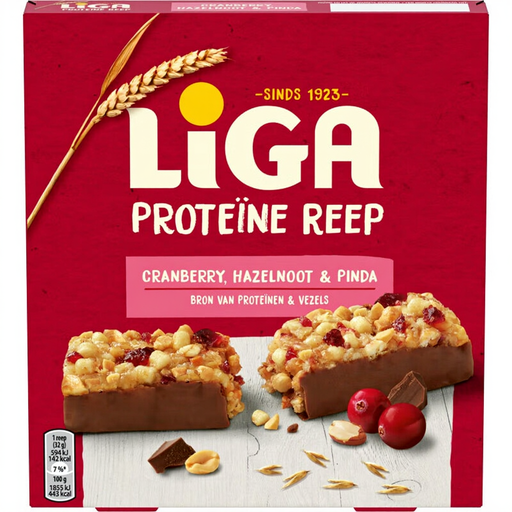
Why it suits this profile: This pack is suitable for anyone looking for an accessible cereal bar with protein and fibre, without immediately buying a large supply of sports nutrition products.
The product description clearly names a source of protein and fibre. However, check the nutritional values per individual bar on the packaging.
160 g pack; oats, peanut and cranberry in the ingredients list; a source of protein and fibre according to the product information.
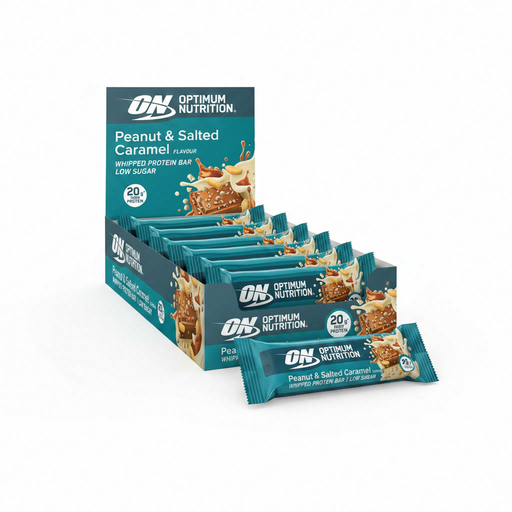
Why it suits this profile: This multipack is ideal for people who want to keep several portions available each week for use on the go, at work or around a training session.
The product information states both 20 g of protein and a low-sugar claim. Compare this with the current packaging and check for polyols and allergens.
10 bars per box; peanut & salted caramel; 20 g of protein per bar according to the product description.
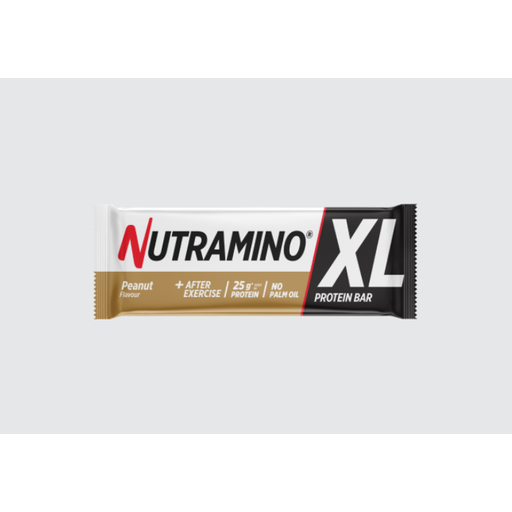
Why it suits this profile: The larger serving is intended for anyone who wants to combine more carbohydrates and protein after an intensive training session or during an energy-demanding activity.
The nutritional values are given per bar: 25 g of protein, 30 g of carbohydrates and 284 kcal. This makes it easier to match the portion to your activity.
74 g per bar; 25 g of protein; soft centre with crunchy soya crispies; contains no palm oil according to the product information.
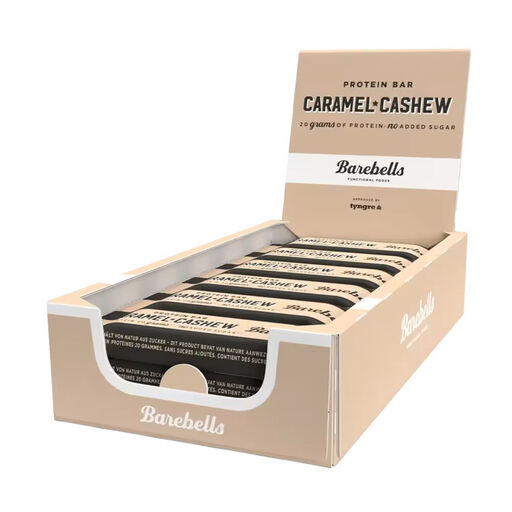
Why it suits this profile: This bar is suitable for consumers looking for a consistent 55 g portion with 20 g of protein and a low sugar content according to the nutritional information.
The product page states 1.5 g of sugar per bar, but also 5 g of polyols. If you are limiting sugar, this gives you a clearer picture of the complete composition.
20 g of protein; 3.1 g of fibre; 12 individually wrapped bars; caramel and cashew flavour according to the product description.
We have put together a complete, up-to-date list of products that fully meet these strict selection criteria and the applicable European safety regulations.
That depends on your overall diet and the type of training. A protein bar can be a practical choice after exercise if you cannot eat a full meal straight away. Check both the protein and carbohydrate content per serving. Some brands’ product descriptions recommend using their bars after exercise, but this is product advice from the brand, not personalised nutritional guidance.
Not necessarily. Also consider calories, fat, fibre, sweeteners and polyols. A bar containing little sugar may still be high in energy. Use the nutrition table and ingredients list to compare the bar with your goals.
The shelf life is stated on the packaging. In general, store bars in a cool, dry place away from direct sunlight, heat and moisture. Check the packaging before use and do not eat a bar if the packaging is damaged. If you have allergies or intolerances, always follow the current product packaging, as ingredients may change.
