
Vandaag of morgen in huis

Kwaliteit gegarandeerd

Welkomstaanbiedingen ontgrendelen: GRATIS bezorging | Tot 80% korting | Gratis 30 dagen JoyPlus-proefperiode
Download de app
At first glance, a protein bar seems like a straightforward purchase: choose a flavour, order a multipack and take a protein-rich snack to the gym. However, protein bars vary considerably in composition, portion size and nutritional value. Eye-catching packaging or the term “high protein bar” says little on its own about whether a product suits your diet.
For adults with an active lifestyle, three pitfalls are particularly important:
First, check the amount of protein per individual bar. In this selection, portions range from 50 to 74 grams. A bar containing 20 grams of protein is practical if you want to add extra protein after exercising or between meals. A smaller bar with 18 grams may be more convenient if you are limiting your overall calorie intake.
The claim that protein contributes to the growth and maintenance of muscle mass is an authorised nutrition claim subject to conditions. This does not mean that a protein bar is automatically necessary for muscle growth or recovery. Treat the bar as a supplement to a varied diet, not as a meal replacement.
If you are looking for a low-sugar protein bar, check the “of which sugars” figure in the nutrition table. This is different from “with no added sugars”. A product may contain no added sugar and still contain naturally occurring sugars.
Also look out for ingredients such as maltitol, sorbitol, erythritol, sucralose and glycerol. The amount of polyols is particularly relevant if you eat several bars a day. Some packaging carries a warning about a possible laxative effect when consumed in excess. For example, the Grenade Carb Killa Chocolate Chip Salted Caramel lists 18 grams of polyols per 60-gram bar.
Always check the full list on the packaging, especially if you have a food allergy or intolerance. Many products in this selection contain milk and soya. Varieties containing peanuts, cashews, hazelnuts or almonds are not suitable if you need to avoid these ingredients.
The type of protein also makes a difference. Some protein bars use milk protein, whey protein or casein. Others also contain hydrolysed bovine collagen. This means they are not suitable for vegetarians or for people who avoid collagen of animal origin. Product information may vary by flavour, so check the current packaging before consumption.
The recommendations below are based on verifiable details such as protein per serving, sugar content, packaging and ingredients. They are grouped by usage profile rather than presented as an overall ranking.
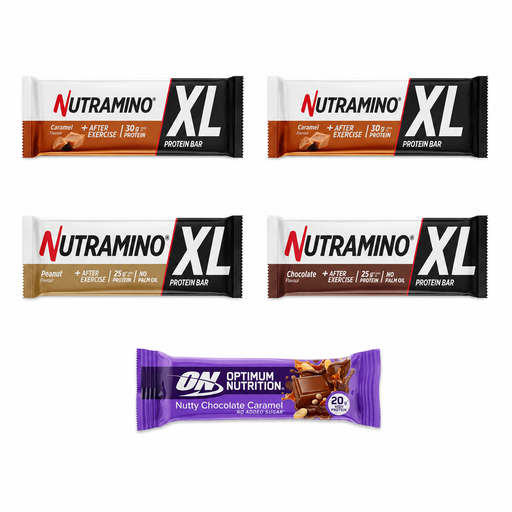
Why it suits this profile: A variety pack is practical if you want to try different flavours without immediately buying a large box of one type. It contains five bars from Nutramino and Optimum Nutrition, including chocolate, caramel and peanut varieties.
You can compare the flavour and texture first rather than ordering a large multipack based solely on the marketing name. Check the individual nutritional values for each bar.
Five bars in several flavours; suitable for taking with you or as a protein-rich snack between meals. Contains milk and soya; some varieties may contain traces of nuts or peanuts.
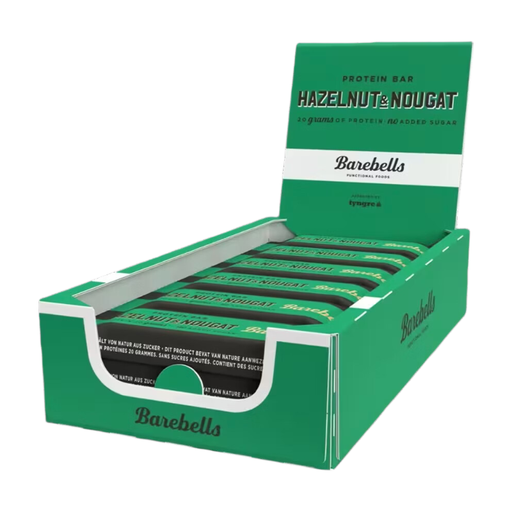
Why it suits this profile: This box contains 12 55-gram bars with hazelnut and nougat flavour. Each bar provides 20 grams of protein, 1.4 grams of sugar, 2.9 grams of fibre and 206 kcal.
The values per serving are clearly shown for each bar. “No added sugars” does not mean sugar-free here; also check the sweeteners, polyols and total carbohydrate content.
20 grams of protein per serving; 12 individually wrapped bars; hazelnut and milk are key allergens.
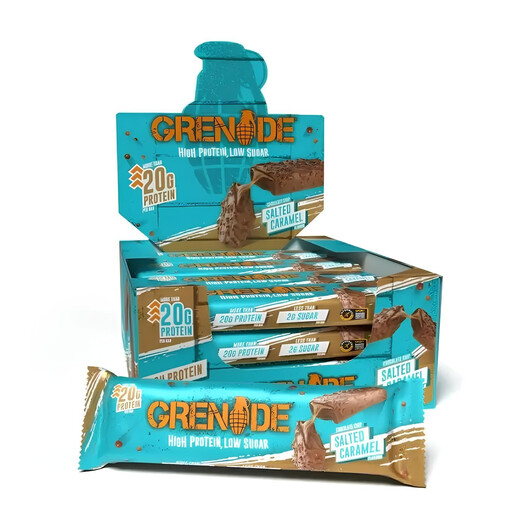
Why it suits this profile: This multipack contains 12 60-gram bars and is aimed at people who regularly take sports nutrition to work, on the go or to the gym. The combination of chocolate and salted caramel is ideal for lovers of a pronounced sweet flavour.
The low sugar content of 1.4 grams per bar is accompanied by information about 18 grams of polyols. This means you see not only the appealing sugar figure but also an important relevant warning.
20 grams of protein and 226 kcal per bar; 12 individually wrapped portions; contains milk and soya and may contain gluten, nuts and peanuts.
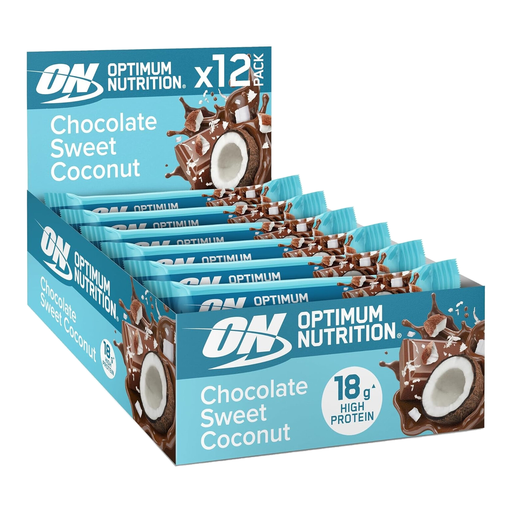
Why it suits this profile: According to the product information, the 59-gram bar provides 18 grams of protein. The combination of chocolate and coconut is suitable for anyone looking for a different flavour from a caramel protein bar.
The portion is smaller than that of many 60- to 74-gram bars. This makes it easier to adjust the amount you eat at each occasion to suit your own diet plan.
18 grams of protein per bar; multipack containing 10 bars; contains, among other ingredients, milk, soya, peanuts, nuts, egg, sesame and cereals containing gluten.
We have put together a complete, up-to-date list of products that fully meet these strict selection criteria and the applicable European safety regulations.
A protein bar after exercise can be useful when you cannot eat a regular meal straight away. There is no set time at which you have to eat a bar. For example, use one:
Pay attention to the overall nutritional value. A bar containing 20 grams of protein often also contains around 179 to 226 kcal. When looking for a protein bar deal, the price per bar is more relevant than simply the discount shown on the packaging. Divide the total price by the number of bars, then also compare the weight and protein content per serving.
That depends on your overall diet, energy requirements and the composition you choose. A protein bar can be used as a practical daily snack, but it does not replace a varied diet. Follow the instructions on the packaging and, when it comes to polyols, pay attention to the recommended amount.
Look at the portion size, protein content, calories and your personal preferences regarding milk, soya, nuts and sweeteners. Varieties containing around 18 to 20 grams of protein per bar are practical, but there is no universal choice suitable for every athlete.
No. Calories also come from fats, protein and other carbohydrates. As well as checking “of which sugars”, check the energy per bar, fat content and total carbohydrates. This prevents an appealing sugar claim from giving you an incomplete picture.
