
Vandaag of morgen in huis

Kwaliteit gegarandeerd

Welkomstaanbiedingen ontgrendelen: GRATIS bezorging | Tot 80% korting | Gratis 30 dagen JoyPlus-proefperiode
Download de app
A protein bar might seem like a simple purchase: choose a flavour, check the protein content and add it to your basket. But bars can vary considerably. Some are high in protein but also contain plenty of polyols or fat. Others are marketed as sports products, even though their nutritional values are closer to those of an ordinary sweet snack.
So pay particular attention to the protein content per bar, the sugar and polyol content, the portion size and the allergens. That way, you can avoid paying for an appealing wrapper or a familiar flavour alone.
A protein bar can be a source of protein without providing a particularly high amount per serving. According to the product information, the LiGA Protein Bar Peanut contains 15 grams of protein per 100 grams, while a 160-gram bar also contains 24 grams of sugar per 100 grams. This may make it an appealing compact cereal and peanut snack, but less suitable if you’re specifically looking for a high-protein snack that’s low in sugar.
So always compare per bar, not just per 100 grams. A large bar may look like a good choice on the label, but it can also provide more calories, carbohydrates and sugar.
Many chocolate protein bars use sweeteners such as maltitol, sucralose or other sweeteners. According to the product information, a Barebells Protein Salty Peanut contains 2.7 grams of sugar and 37 grams of protein per 55-gram bar. That’s a different nutritional profile from, for example, a 74-gram Nutramino XL bar with 25 grams of protein, 30 grams of carbohydrates and 19 grams of sugar per bar.
If you’re choosing a low-sugar protein bar, check the polyols too. For example, the product information for XXL Nutrition N’Joy Chocolate Caramel lists 26 grams of polyols per bar. A high intake of polyols can have a laxative effect for some people. Check the warning on the packaging and choose a nutritional profile that suits how you plan to use the bar.
Protein bars with chocolate, peanut flavour or caramel often contain milk and soya. Some varieties also contain peanuts, nuts, gluten or hydrolysed collagen. Check the current ingredients list each time you buy, especially if you have an allergy or intolerance. Always follow the packaging, as recipes can change.
If you’re using a protein bar after exercise, it’s useful to check how many grams of protein are in the whole bar. Across the range, amounts vary from around 14 to 37 grams, depending on the product and portion size.
A higher protein content doesn’t automatically make a bar right for every occasion. A smaller bar may be more convenient when you’re out and about; after an intense workout, a larger portion with more carbohydrates may fit better with your personal nutrition plan.
If you’re looking for a low-sugar protein bar, check the full nutrition label. Barebells and some XXL Nutrition varieties contain relatively little sugar per bar, but may include sweeteners or polyols. Nutramino XL, on the other hand, contains more carbohydrates and sugar, which may be relevant for some athletes after exercise.
So compare three values:
A 55-gram bar is generally more compact than a 74-gram XL bar. A soft filling with crunchy pieces can make a tempting snack between meals, while a simple cereal bar offers a different texture and feeling of fullness.
Think about when you’ll eat it:
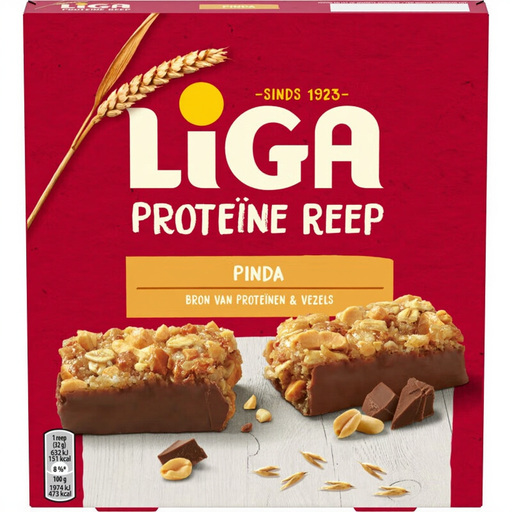
Why it suits this profile: A larger pack with a familiar cereal and peanut flavour, for anyone looking for a simple snack to take on the go.
The nutritional values make it clear that this isn’t a low-sugar product: it contains 15 grams of protein and 24 grams of sugar per 100 grams.
A source of protein and fibre; 160-gram pack; contains peanuts, milk, soya and gluten.
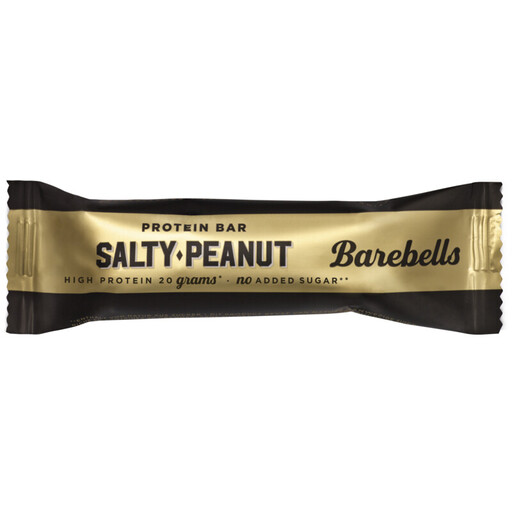
Why it suits this profile: A compact peanut-flavoured bar for active shoppers who compare protein content per serving.
As well as listing 2.7 grams of sugar, the label mentions sweeteners; check how well you tolerate maltitol and sucralose.
37 grams of protein, 5.6 grams of fibre and 2.7 grams of sugar per 55-gram bar.
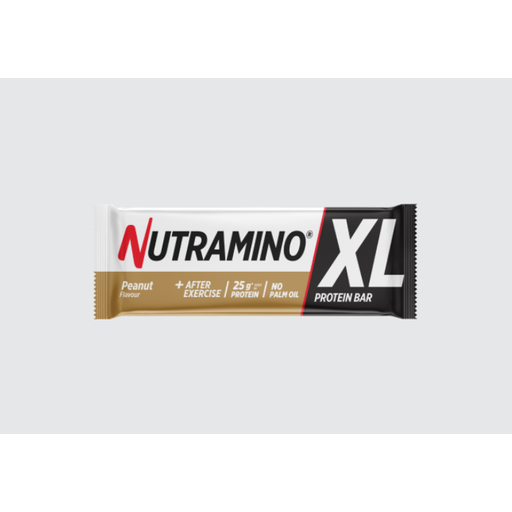
Why it suits this profile: The larger portion is a good fit after a workout or during an energy-intensive activity.
The 74-gram portion size and nutritional values are clearly stated, so you won’t mistake this bar for a small snack.
25 grams of protein, 30 grams of carbohydrates and a soft centre with crunchy soya pieces.
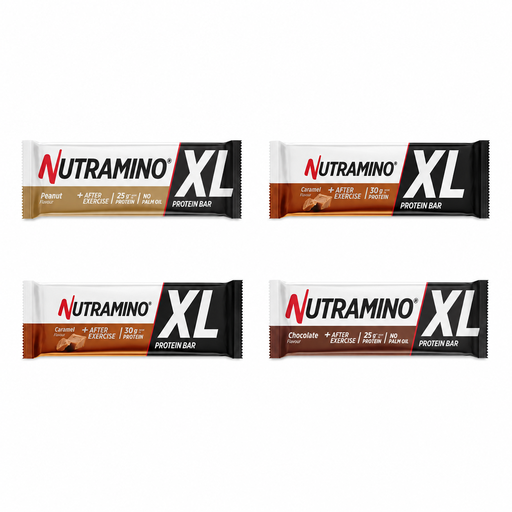
Why it suits this profile: A bundle with two Chocolate Caramel bars, one Chocolate Peanut and one Double Chocolate, for anyone who likes to mix up their flavours.
The bundle contents are specified in advance, so you know which flavours and how many bars you’ll receive.
Four 74-gram bars; handy for stocking up and trying different chocolate flavours; contains milk and soya.
We’ve put together a complete, up-to-date list of products that meet these strict selection criteria and the applicable European safety regulations.
No. A protein bar is simply a convenient option if you don’t have a regular meal or high-protein snack available after exercise. Check the protein, carbohydrate and calorie content per bar, and consider it as part of your overall diet.
The use-by date is printed on the individual wrapper. In general, store bars in a cool, dry place, away from direct sunlight, heat and moisture. Check the packaging before eating one, and don’t consume the product if the wrapper is damaged.
That depends on the ingredients and your overall diet. Some chocolate protein bars are relatively low in sugar, but high in fat, sweeteners or polyols. Compare the labels and vary your snacks with other high-protein foods, such as yoghurt, quark, eggs or pulses.
