
Vandaag of morgen in huis

Kwaliteit gegarandeerd

Welkomstaanbiedingen ontgrendelen: GRATIS bezorging | Tot 80% korting | Gratis 30 dagen JoyPlus-proefperiode
Download de app
At first glance, a protein bar seems simple: plenty of protein, little sugar and convenient packaging. Yet products can vary considerably in serving size, ingredients, sweeteners and nutritional values. If you only look at the eye-catching front of the pack, you could end up buying a bar that is less suitable for your eating habits, training routine or allergies.
The most common pitfalls when choosing protein bars are:
First, look at the nutritional value per bar, not just per 100 g. The difference between products can be considerable when it comes to a high-protein snack:
A higher protein content per bar does not automatically mean that the product is more suitable for everyone. A smaller bar may be more convenient between meals, while a larger bar provides more energy after an intense workout.
If you are looking for low-sugar protein bars, you need to read the full table. The amount of sugar does not tell you everything about the overall composition.
Barebells Hazelnut & Nougat contains 1.4 g of sugar and 206 kcal per bar. According to the product description, the XXL Nutrition High Protein Bar Chocolate contains 0.7 g of sugar and 179 kcal per bar. By contrast, the Nutramino XL Double Chocolate contains 19 g of sugar and 279 kcal per bar.
Many sugar-free or low-sugar bars use polyols such as maltitol. Consuming too many may have a laxative effect. Therefore, avoid eating several bars in a row without checking the warning on the packaging.
A protein bar may contain milk protein, whey protein, soya protein or collagen. This makes the choice particularly relevant for vegetarians and people with an allergy or intolerance.
Check the following before ordering:
A product description may change. If you have allergies, always check the current packaging. Nutritional values can also vary by flavour. This applies, for example, to different chocolate protein bars, even when they are made by the same brand.
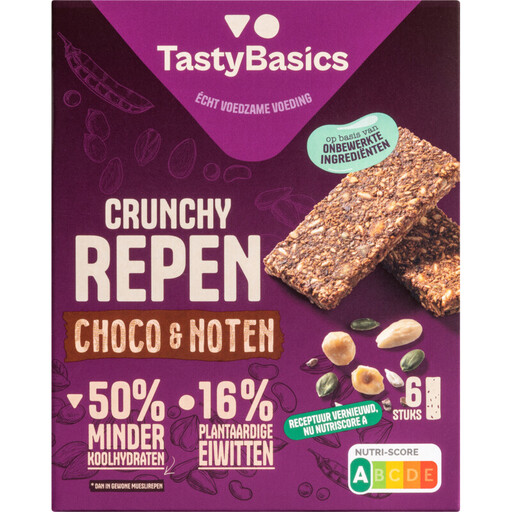
Why it suits this profile: These smaller 23 g snack portions are practical for anyone who wants to try a high-protein snack without immediately choosing a large multipack.
The serving size is clearly stated. The nutritional information lists 16 g of protein per 100 g and 6.7 g of sugar per 100 g, so you will not confuse this bar with a traditional protein bar containing 20 to 25 g of protein per serving.
6 portions per pack, with oats, seeds, almonds, hazelnuts and 18 g of fibre per 100 g.
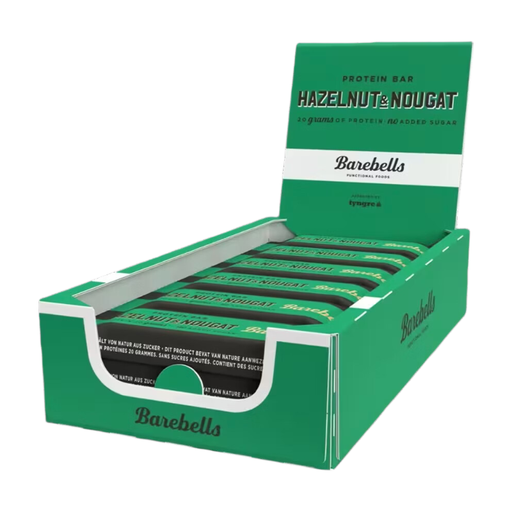
Why it suits this profile: A box of 12 individually wrapped bars is ideal for anyone who wants to take a reliable snack to work, on trips or after exercise.
The product information states both the sugar content and the serving size: 1.4 g of sugar, 20 g of protein and 206 kcal per 55 g bar. The bar does contain sweeteners and polyols, so read the warning on the packaging.
12 x 55 g, 2.9 g of fibre per bar and a hazelnut nougat flavour with a milk chocolate coating.
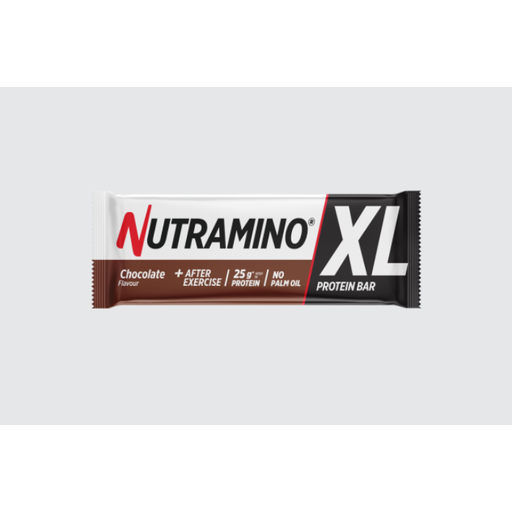
Why it suits this profile: With 25 g of protein and 30 g of carbohydrates, this large serving is aimed at people looking for a more substantial sports nutrition snack after an intense session.
The product page makes the large serving clear: 74 g per bar. This means you can immediately see that the 279 kcal and 19 g of sugar apply to one XL bar, not to 100 g.
25 g of protein per bar, a soft protein centre and crunchy soya pieces. Contains milk and soya; check the label if you have allergies.

Why it suits this profile: This compact bar is designed for anyone who wants a relatively high protein value per serving combined with a low sugar content.
The figures per 50 g are clearly presented: 25 g of protein, 0.7 g of sugar and 179 kcal. However, check the allergen information, including milk, soya, peanuts and gluten-containing cereals.
25 g of protein per 50 g and 0.7 g of sugar per bar according to the product information. The recipe contains sweeteners.
We have put together a complete, up-to-date list of products that fully meet these strict selection criteria and the applicable European safety regulations.
A protein bar can be a practical option after exercise when you are on the go or unable to eat a full meal. Do not focus only on protein; also consider calories, carbohydrates and serving size. A large bar containing 25 g of protein may be more suitable after an intense workout than as a small snack between two meals.
Shelf life varies by product and flavour. Check the date on the packaging and store bars according to the manufacturer's advice, usually in a cool, dry place away from direct sunlight. It is best to eat an opened bar straight away and not to use damaged packaging.
Not necessarily. A low sugar content may go hand in hand with high levels of polyols, fat or calories. Always compare the full nutritional table and ingredients list. Choose a bar that fits your daily diet, energy requirements and any allergies. A protein bar is a supplement, not a replacement for a varied diet.
