
Vandaag of morgen in huis

Kwaliteit gegarandeerd

Welkomstaanbiedingen ontgrendelen: GRATIS bezorging | Tot 80% korting | Gratis 30 dagen JoyPlus-proefperiode
Download de app
A protein bar is handy after exercise, between meals or as a protein-rich snack on the go. However, many protein bars look similar even though their nutritional values can differ considerably. Attractive packaging or the words “high protein” do not automatically mean that a bar suits your eating pattern.
Three common pitfalls are:
Looking at protein per 100 grams instead of per bar
A 50-gram bar with 25 grams of protein contains a relatively high amount of protein, but a 70-gram bar may provide a similar amount per bar. Always compare the same unit.
Confusing “low sugar” with low calories
A protein bar with little sugar can still contain relatively high levels of fat, polyols or calories. That is not necessarily a problem, but it is important if you are monitoring your total energy intake.
Skipping the ingredients and allergens list
Many bars contain milk, soya, peanuts, nuts, gluten or collagen. Sweeteners such as maltitol and other polyols are also common. According to the product information, consuming large amounts may have a laxative effect.
For a protein bar for exercise, the practical protein content per individual bar is a sensible starting point. Across the range, values vary from around 6 grams in a nut bar to 25 grams in some sports bars.
Also check the source of the protein. Milk protein, whey, casein, soya and collagen have different properties. If you follow a vegetarian diet, pay particular attention to ingredients such as collagen from animal sources.
If you are looking for low-sugar protein bars, it is worth checking the label per bar. For example, Barebells Caramel & Cashew lists 20 grams of protein and 1.5 grams of sugar per 55-gram bar. The bar also contains polyols. According to the product information, excessive consumption may cause gastrointestinal discomfort or have a laxative effect.
A low sugar value does not mean that a product will not taste sweet. Many protein bars use maltitol, sucralose, sorbitol or other sweeteners. So do not just look for “no added sugars”; also check:
A chocolate protein bar, caramel bar or coated bar may taste appealing, but a chocolate coating often increases the fat and calorie content. A protein bar with nuts can provide a satisfying bite, but may contain peanuts, almonds, hazelnuts or cashews.
If you have an allergy, always read the full packaging. Recipes can change, and statements such as “may contain traces of” are relevant. Also consider the size: bars weighing 50 to 60 grams are easy to take with you, while bars weighing 70 to 74 grams may be more filling but are heavier to carry.
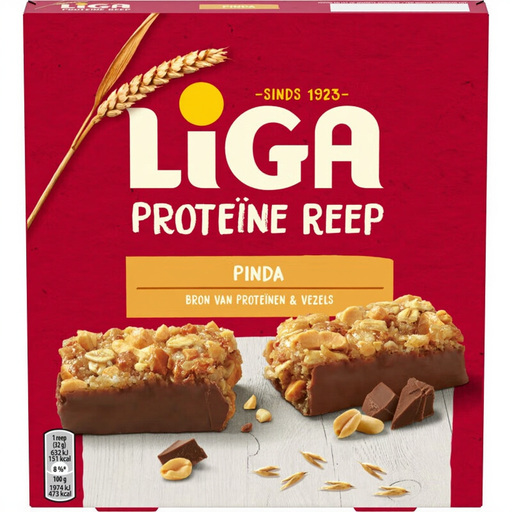
Why it suits this profile: An accessible option for anyone looking for a compact snack with grains, peanuts and a moderate protein content. This bar contains 15 grams of protein and 24 grams of sugar per 100 grams.
The nutritional values and allergens are clearly specified. However, note the higher sugar content if you are specifically looking for a low-sugar bar.
160-gram pack; 15 grams of protein and 4.2 grams of fibre per 100 grams; crunchy texture with peanuts.
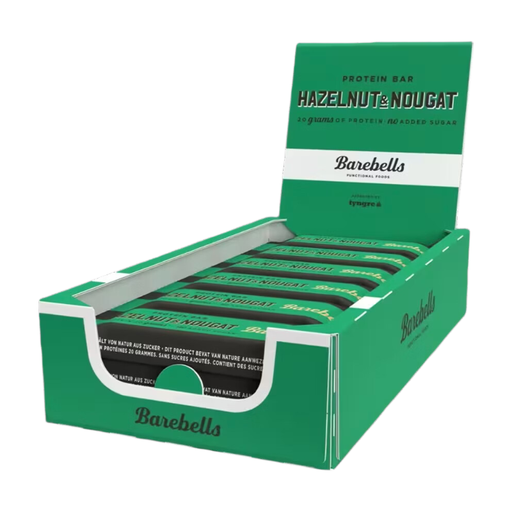
Why it suits this profile: For anyone who wants a reliable supply and a soft bar with a hazelnut and nougat flavour. Each 55-gram bar contains 20 grams of protein.
The serving size and nutritional values are given per bar. The sugar content is 1.4 grams per bar, but the product contains sweeteners and polyols.
Multipack containing 12 bars; 20 grams of protein; 1.4 grams of sugar and 2.9 grams of fibre per bar.

Why it suits this profile: A targeted choice for athletes looking for a high amount of protein in a compact serving. The product information lists 25 grams of protein and 0.7 grams of sugar per 50-gram bar.
The protein and sugar content is stated per bar, making comparisons easier. Check for milk, soya, peanuts and gluten before buying.
25 grams of protein per 50 grams; 179 kcal and 0.7 grams of sugar according to the product description.
We have put together a complete, up-to-date list of products that fully meet these strict selection criteria and the applicable European safety regulations.
A bar after exercise can be practical when a regular meal is not immediately available. Choose a serving that fits your overall diet and check whether you also need carbohydrates after an intense workout. For everyday use between meals, a smaller bar with nuts, seeds or grains may be sufficient.
A multipack of protein bars is useful if you regularly take a bar with you to the gym, work or in the car. When buying protein bars, compare not only the total price but also the price per bar and the weight of each one. A variety bundle, such as the Nutramino XL Protein Bar Variety Bundle, may be suitable if you want to try several flavours before buying a larger supply.
That depends on the ingredients and your overall diet. Protein bars are intended as a supplement and do not replace a varied diet. Look at protein, sugar, calories, fibre, sweeteners and allergens. You could also alternate bars with ordinary foods such as yoghurt, fruit, nuts or a wholemeal sandwich.
There is no universal amount that suits everyone. For a practical snack, many consumers choose a bar containing around 14 to 20 grams of protein. If you are mainly looking for a nut bar, you may be happy with less protein. Always compare per bar, rather than relying solely on the value per 100 grams.
Store them according to the label, usually in a cool, dry place away from direct sunlight and heat. Keep the packaging closed and do not use a bar if the packaging is damaged. Before eating, always check the best-before date and the current ingredients list on the packaging.
