
Vandaag of morgen in huis

Kwaliteit gegarandeerd

Welkomstaanbiedingen ontgrendelen: GRATIS bezorging | Tot 80% korting | Gratis 30 dagen JoyPlus-proefperiode
Download de app
A protein bar may seem like a simple purchase, but there are big differences between protein bars. One bar may contain 20 to 25 grams of protein, while another is made mostly of grains, syrup or chocolate. Terms such as “low sugar”, “no added sugars” and “organic” don’t tell the whole story either.
Whether you exercise, are often on the go or are looking for a high-protein snack, it’s worth looking beyond the front of the packaging. Read on to find out which figures and ingredients really matter, and which choices suit different situations.
A pack may show a high protein percentage per 100 grams, even though the bar itself is much smaller. So always check the protein content per bar. In practice, a 50-gram bar with 25 grams of protein is very different from a 30-gram muesli bar with 7 grams of protein.
The type of protein can vary too. Milk protein, whey protein, soya protein and collagen are often combined. If you have allergies or dietary preferences, check the full ingredients list.
Some protein bars are low in sugar but contain sweeteners or polyols such as maltitol and xylitol. These can improve the texture and flavour, but product information warns that excessive consumption may have a laxative effect. So check not only sugars, but also carbohydrates and polyols.
A product with no added sugars may still contain naturally occurring sugars from ingredients such as raisins or milk.
Organic nut bars and snack bars with seeds can provide fibre and unsaturated fats, but may also be relatively high in calories. For example, Zonnatura Organic Nut Bar with Apple and Cinnamon lists 528 kcal, 34 grams of fat, 24 grams of sugars and 19 grams of protein per 100 grams. That makes it suitable as a compact snack on the go, but not necessarily as a low-calorie protein bar.
For sportspeople and fitness enthusiasts, protein per bar is the most practical measure. The range includes options with around 18 to 25 grams of protein per bar. That’s easier to compare than a percentage per 100 grams alone.
Check the serving size too. A 70-gram bar may contain more protein than a 50-gram bar, but it will usually have more calories as well.
Compare at least these three values:
The XXL Nutrition High Protein Bar Chocolate lists 1.4 grams of sugar and 352 kcal per 100 grams. The product information gives 25 grams of protein, 0.7 grams of sugar and 179 kcal per 50-gram bar. The bar does contain sweeteners, including maltitol and sucralose.
A traditional muesli bar may contain more carbohydrates. Hero B’Tween Milk Chocolate lists 65 grams of carbohydrates and 30 grams of sugars per 100 grams. That may suit you if you’re looking for a sweet snack on the go, but it’s less suitable if you specifically want to buy a low-sugar protein bar.
Always check whether the bar contains milk, soya, peanuts, nuts, gluten or sesame. Some products also state that they may contain traces of other allergens.
Look at the first ingredients on the list too. If milk protein or soya protein comes first, protein is likely to be a key ingredient. If sugar, glucose syrup or chocolate comes first, the emphasis may be more on flavour and texture.

Why it suits this profile: The nutritional information is clearly listed per bar. That makes this protein bar a practical choice if you’re comparing protein bars for the first time and paying close attention to protein and calories.
The product information lists 25 grams of protein and 0.7 grams of sugar per 50-gram bar. So you don’t have to rely on a large percentage shown on the packaging alone.
50 grams per bar, 25 grams of protein per bar and 179 kcal according to the product description. Contains milk, soya and other listed allergens.
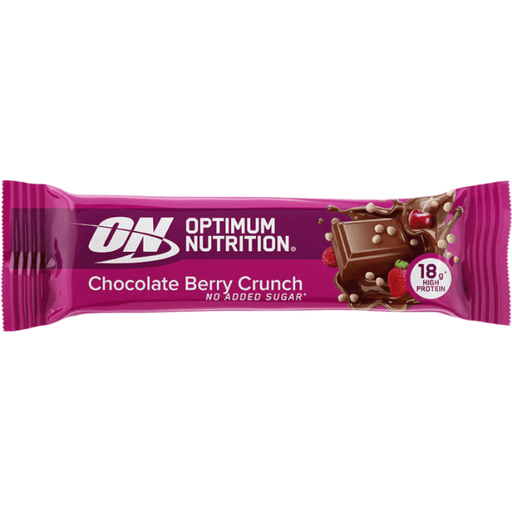
Why it suits this profile: This bar combines a soft filling with crunchy pieces and a chocolate and fruit flavour. It’s a good fit if texture and taste matter to you as much as protein content.
The product information lists 18 grams of protein per 55-gram bar and distinguishes between naturally occurring sugars and no added sugars. Be sure to check the full ingredients list.
55 grams per bar, 18 grams of protein and an individual size that’s easy to take on the go. Contains milk and soya; according to the product information, it may also contain gluten, eggs, nuts and peanuts.
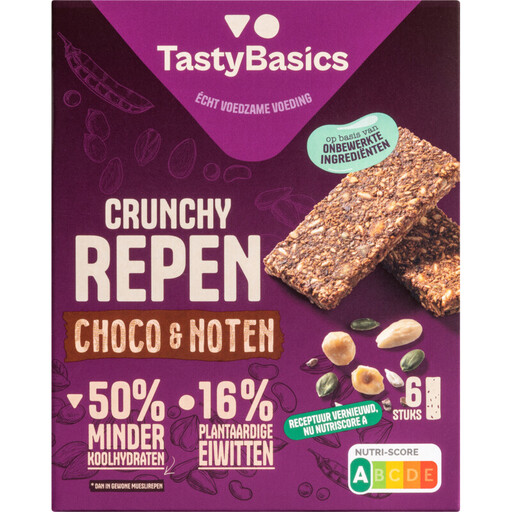
Why it suits this profile: These compact bars combine nuts, seeds, oats and cocoa products. They’re a good choice if you’re mainly looking for fibre and a short ingredients list, rather than a traditional high-protein product.
The nutritional values are listed per 100 grams: 16 grams of protein, 18 grams of fibre and 6.7 grams of sugars. This makes it clear that it’s a nut and fibre bar, not a typical protein snack.
23-gram portions, 18 grams of fibre per 100 grams and 6.7 grams of sugars per 100 grams. Contains oats, almonds, hazelnuts and sesame, among other ingredients.
We’ve put together a complete, up-to-date list of products that meet these strict selection criteria and the applicable European safety requirements.
It depends on your overall diet and what you want from your snack. A bar with 18 to 25 grams of protein can be convenient after a workout or between meals, but it isn’t a substitute for a varied diet. Also check the amount of sugar, calories and sweeteners.
Follow the label and store bars in a cool, dry place, away from direct sunlight, heat and moisture. Individually wrapped bars are handy to keep in a gym bag or bag for days out. Check the use-by information before eating, and don’t use a bar if its packaging is damaged.
Not necessarily. A protein bar usually contains more protein, while a muesli bar may contain more grains or fibre. Compare protein, sugars, fibre, calories and ingredients per serving. Then choose according to how you’ll use it: for exercise, to keep you feeling full, for when you’re out and about, or simply as a small snack.
