
Vandaag of morgen in huis

Kwaliteit gegarandeerd

Welkomstaanbiedingen ontgrendelen: GRATIS bezorging | Tot 80% korting | Gratis 30 dagen JoyPlus-proefperiode
Download de app
At first glance, a protein bar seems simple: choose a flavour, compare the packaging and add it to your basket. Yet protein bars, protein-rich bars and protein bars can vary considerably in ingredients, serving size and price per bar. A prominent claim on the front does not always tell the full story.
If you exercise regularly, have a busy working day or are looking for a protein-rich snack to take with you, it is worth avoiding three common pitfalls:
Always compare the protein content per bar, not just per 100 grams. For example, a large 74-gram bar may contain 25 grams of protein, while a smaller 55-gram bar provides 20 grams. Both may work in practice, but the serving size and total calorie content are different.
For a protein bar after exercise, the overall nutritional value is also relevant. The EU-approved claim that protein contributes to the growth and maintenance of muscle mass may only be used when the conditions for the claim are met. This does not mean that a bar replaces a meal, a varied diet or personalised dietary advice.
If you want a low-sugar protein bar, look at the “of which sugars” line in the nutrition table. “No added sugars” does not automatically mean that a product contains no sugars.
Also pay attention to polyols. According to the product information, Barebells Caramel & Cashew contains 5 grams of polyols per bar. The Grenade Carb Killa Chocolate Chip Salted Caramel variant lists 18 grams of polyols per bar. Excessive consumption of polyols can have a laxative effect. Drink plenty of fluids and follow the instructions on the packaging.
Check the ingredients list if you have an allergy or intolerance. Many products in this selection contain milk and soya. Some variants also contain peanuts, nuts or bovine collagen. The latter means they are not suitable for vegetarians or people who avoid animal-derived ingredients.
When comparing a protein bar box, compare the price per bar and the protein content per bar. A multipack of 12 bars is practical if you use a bar regularly, but a smaller sample pack or variety bundle may be a better choice if you are not yet sure which flavour and texture you prefer.
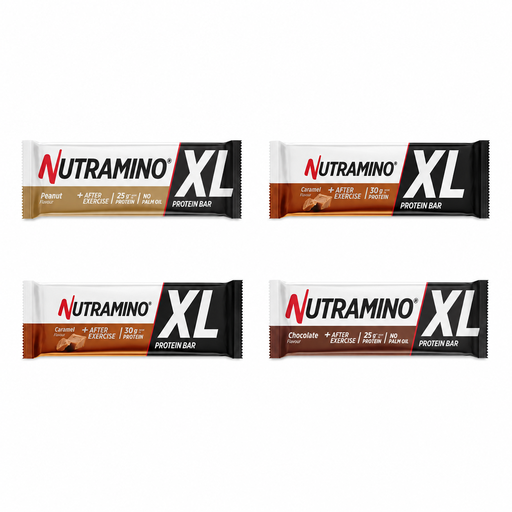
Why it suits this profile: A compact introduction to several flavours before you buy a larger protein bar box. The bundle contains four 74-gram bars.
You do not have to buy a large multipack of one flavour straight away. Do check the current price per bar and the product information for each variant.
Four variants; 25 grams of protein per Nutramino bar according to the product information; suitable as a snack between meals.
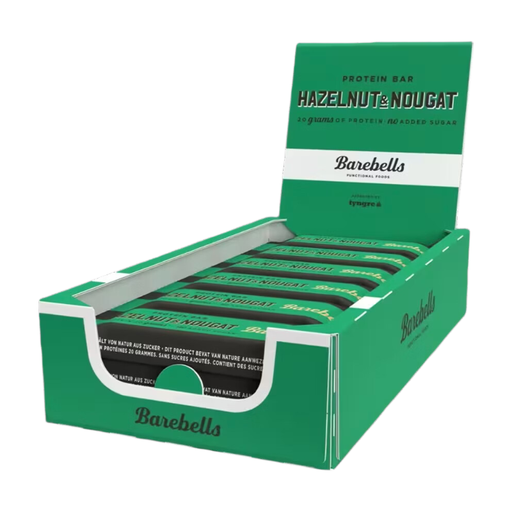
Why it suits this profile: A reliable multipack for anyone looking for a soft, sweet bar with hazelnut and nougat flavour.
The product information lists both sugar and sweeteners. This allows you to assess the bar based on its complete composition rather than just the claims on the front.
20 grams of protein and 1.4 grams of sugar per bar according to the stated nutritional values; 12 individually wrapped bars.
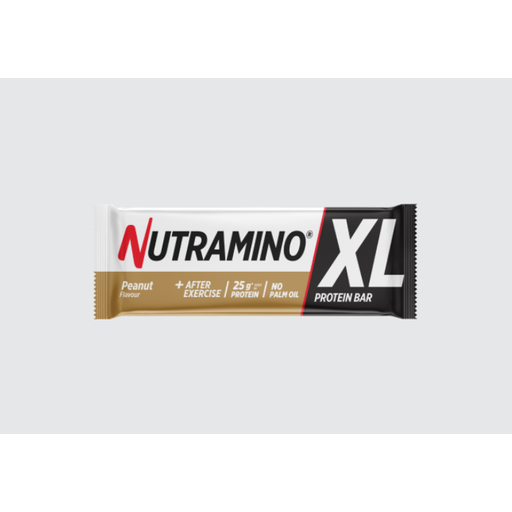
Why it suits this profile: A larger bar for active adults looking for carbohydrates as well as protein after exercise or during an energy-intensive day.
The product table shows that this bar contains 19 grams of sugar and 30 grams of carbohydrates. This prevents “high protein” from being interpreted as “low in everything”.
25 grams of protein per bar; 74-gram serving; soft centre with crunchy soya pieces according to the product description.
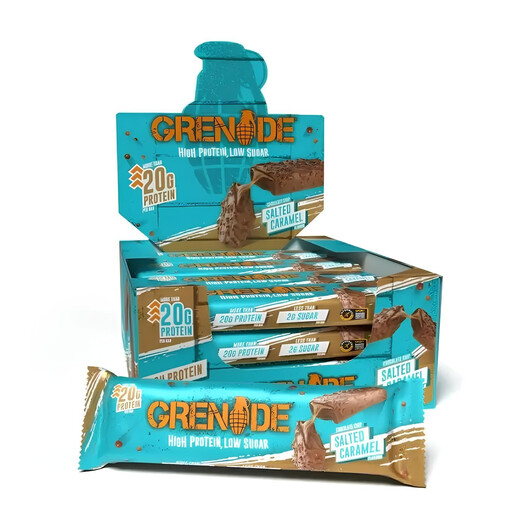
Why it suits this profile: Individually wrapped 60-gram bars that are easy to take to work, the gym or wherever you are heading.
Alongside 1.4 grams of sugar, the nutritional values list 18 grams of polyols per bar. This makes it clear that a low sugar value does not show the complete sweetener profile.
20 grams of protein and 1.4 grams of sugar per bar according to the product information; 12 bars per pack.
We have put together a complete, up-to-date list of products that fully meet these strict selection criteria and the applicable European safety regulations.
A protein bar can be eaten after exercising when you are looking for a convenient snack. There is no universally required time. Focus mainly on your overall diet, the intensity of your training and the nutritional values of the bar you choose. Some variants contain relatively high levels of carbohydrates and calories as well as protein.
The best-before date is printed on the packaging. Bars should generally be stored in a cool, dry place, away from direct sunlight and in accordance with the manufacturer’s instructions. If stored somewhere warm, the coating may become softer or the texture may change. Check the packaging before eating, particularly when the ingredients or nutritional values are important to you.
Not necessarily. A low sugar value says nothing about the total number of calories, fats, carbohydrates, sweeteners or allergens. Compare the complete nutrition table and ingredients list. A protein bar is a convenient addition, but it is not a substitute for a varied and balanced diet.
