
Vandaag of morgen in huis

Kwaliteit gegarandeerd

Welkomstaanbiedingen ontgrendelen: GRATIS bezorging | Tot 80% korting | Gratis 30 dagen JoyPlus-proefperiode
Download de app
The protein bar aisle seems endless. Each package vies for your attention, promising muscle recovery and a healthy lifestyle. But a closer look at the fine print reveals that many of these bars are more akin to a candy bar than a functional, high-protein snack. Before you invest in a box of bars, it's wise to know what to look for.
As a Product Recommendation Officer at Joybuy, I see which products are popular on a daily basis, but also where the pitfalls lie. Many consumers unwittingly fall for the same marketing traps.
The 2 most common pitfalls when buying protein bars:
To avoid making the wrong choice, there are a few objective specifications you should always check on the packaging. This will help you choose a protein bar that truly aligns with your goals.
This is the most critical factor. A good low-sugar protein bar has a clear balance. A simple rule of thumb:
Also, pay attention to polyols. These are sugar alcohols (sweeteners) that don't count as sugar but can have a laxative effect if consumed in excess. This is often stated as a warning on the packaging.
The ingredients list tells you where the protein comes from. The most common sources are:
Grenade bars and Barebells bars, use a mix of different sources for a balanced profile and improved texture.The choice depends on your personal preference and any dietary requirements, but a blend of whey and casein is often a solid foundation.
Not everyone needs the same protein-rich snack. Below are a few popular choices, each matched to a specific user profile.

Why This Fits Their Persona: For those who crave a reward after a tough workout that doesn't feel like a compromise. This bar combines a layered, soft texture with a cookie dough flavour, without losing sight of its nutritional value.
With only 1.3 grams of sugar per 60g bar, it completely sidesteps the "sugar bomb trap" while delivering an incredibly rich taste and texture.
Delivers a solid 21 grams of protein per bar, ideal for muscle recovery. The layered structure makes for a satisfying eating experience.
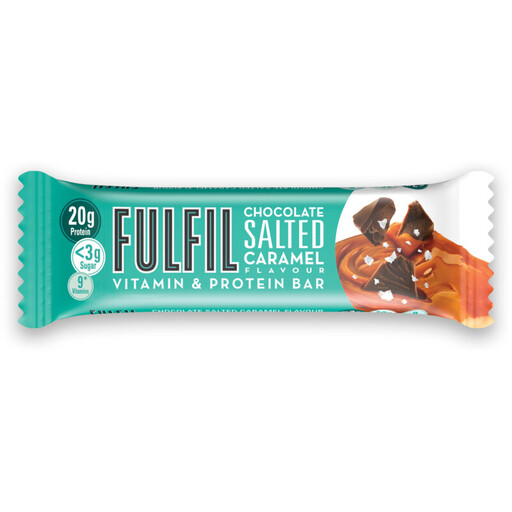
Why This Fits Their Persona: Perfect for those who see a bar not just as a protein source, but as a functional snack that adds value to a busy day. This bar is designed to be a nutritious bridge between meals.
This bar goes beyond the "empty" protein illusion by delivering not only protein but also a range of nine essential vitamins. This gives the bar clear functional added value.
Contains approximately 20 grams of protein and is fortified with 55% of the recommended daily intake of 9 vitamins, including Vitamins C, B6, and B12.
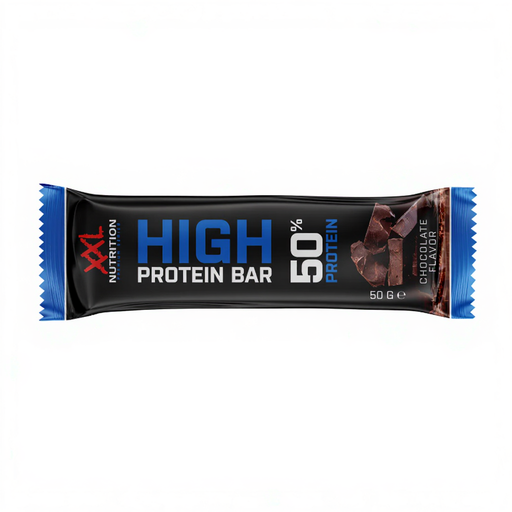
Why This Fits Their Persona: For the user who is all about the numbers. The goal is simple: get the maximum amount of protein with minimal sugars and calories. Taste and texture are functional, not necessarily a treat.
This bar is the antithesis of the sugar bomb. According to XXL Nutrition, it contains just 0.7 grams of sugar and 179 kcal, while delivering a massive 25 grams of protein. The focus is entirely on efficiency.
An exceptionally high protein density: the 50-gram bar is 50% protein. This is one of the highest ratios you will find on the market.
We have compiled a complete, up-to-date list of products that fully meet these strict selection criteria and local regulations.
This depends on your goal. Many athletes eat a protein bar within an hour of their workout to support muscle recovery. However, it can also be a practical snack to bridge the gap between meals and prevent you from reaching for unhealthy options.
Polyols like maltitol and xylitol are used to sweeten bars without adding sugar. They provide fewer calories and have less impact on blood sugar levels. However, as stated on many packages, excessive consumption can lead to gastrointestinal issues in some people, such as bloating or a laxative effect. It's a matter of personal tolerance.
Generally, no. While a protein-rich snack can help curb hunger, it lacks the variety of micronutrients (vitamins, minerals) and fibre that a complete, balanced meal provides. Think of it as a supplement to your diet, not a meal replacement.
