
Vandaag of morgen in huis

Kwaliteit gegarandeerd

Welkomstaanbiedingen ontgrendelen: GRATIS bezorging | Tot 80% korting | Gratis 30 dagen JoyPlus-proefperiode
Download de app
A protein bar is convenient for commuting, at the office or after a workout. However, many products look similar even though their protein, sugar, calorie and ingredient profiles can vary significantly. A bar labelled “high protein” does not automatically contain a high amount of protein per serving. Terms such as “low sugar” do not always tell the whole story either.
As a Joybuy Product Recommendation Officer, I therefore focus primarily on verifiable information on the label: nutritional values per bar, ingredients, allergens, serving size and packaging. This helps you avoid paying mainly for a sweet snack with a sporty image.
A protein bar with 20 grams of protein sounds appealing, but always check the weight of the entire bar. A 70- or 74-gram bar may contain more calories and carbohydrates than a smaller bar with a similar protein content.
So look at:
Many low-sugar protein bars use polyols such as maltitol, sorbitol or erythritol. These are listed separately in the nutrition table. According to the product information, consuming large amounts of polyols may have a laxative effect.
A low-sugar protein bar is therefore not automatically suitable for eating several times a day. Check the amount of polyols and follow the instructions on the packaging.
Not every sports bar is a protein bar. A muesli bar may primarily provide carbohydrates while containing relatively little protein. For example, the LiGA Protein Bar Cranberry lists 14 grams of protein per 100 grams, but also 28 grams of sugar per 100 grams. The Hero B'Tween Muesli Bar Milk Chocolate contains 6.5 grams of protein and 30 grams of sugar per 100 grams.
These bars can work well as a snack, but they are not the same as a high-protein bar containing around 20 grams of protein per piece.
For adults looking to supplement their daily protein intake, 20 grams of protein per bar is a practical benchmark for comparison. The range includes bars from Barebells, Grenade and Optimum Nutrition with around 20 grams of protein per piece. XXL Nutrition High Protein Bar Chocolate lists 25 grams of protein per 50-gram bar.
Pay attention to the protein source as well. Products may contain milk protein, whey protein, soy protein or hydrolysed collagen. A higher figure does not automatically mean that the bar is suitable for every athlete or dietary preference.
Compare the values per bar, as serving sizes vary:
These figures show why a protein bar with 20 grams of protein does not automatically have the same nutritional profile as another bar with the same protein content.
Always check the complete ingredients list before purchasing. Many products contain milk and soy. Some varieties also contain peanuts, hazelnuts, cereals containing gluten or collagen from bovine sources.
The product description for Optimum Nutrition Whipped Protein Bar lists the Peanut & Salted Caramel variant as suitable for vegetarians. This does not automatically apply to all protein bars. Products containing hydrolysed bovine collagen, for example, are not compatible with a vegetarian diet. Also check the label on the delivered product, as recipes and allergen information may change.

Why This Fits Their Persona: A compact option for first-time protein-bar buyers who primarily want to keep an eye on protein and sugar.
The product information lists 25 g of protein, 0.7 g of sugar and 179 kcal per 50 g bar. Check the current packaging for confirmation.
Small serving; chocolate flavour; according to the description, no polyols listed.
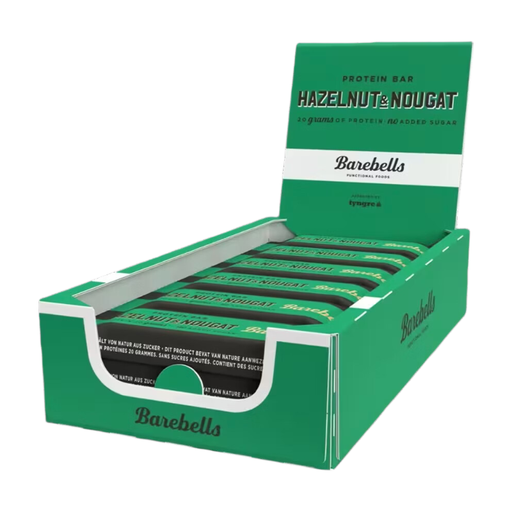
Why This Fits Their Persona: For anyone looking for a multipack for work, commuting or several training sessions a week.
The nutritional information provides values per individual bar: 20 g of protein, 1.4 g of sugar, 206 kcal and 2.9 g of fibre.
12 bars per pack; hazelnut nougat flavour; milk and hazelnuts clearly listed as allergens.
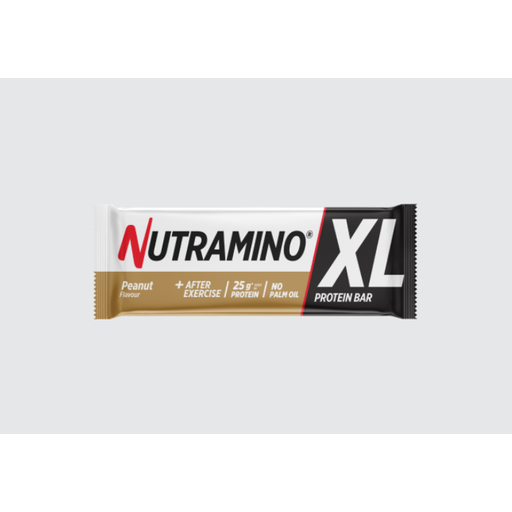
Why This Fits Their Persona: A larger bar for adults who also want carbohydrates in their snack after an intense workout.
The bar lists not only 25 g of protein, but also 30 g of carbohydrates, 19 g of sugar and 284 kcal per 74 g.
25 g of protein per bar; soft texture with crunchy soy crisps; described as suitable for post-workout use.
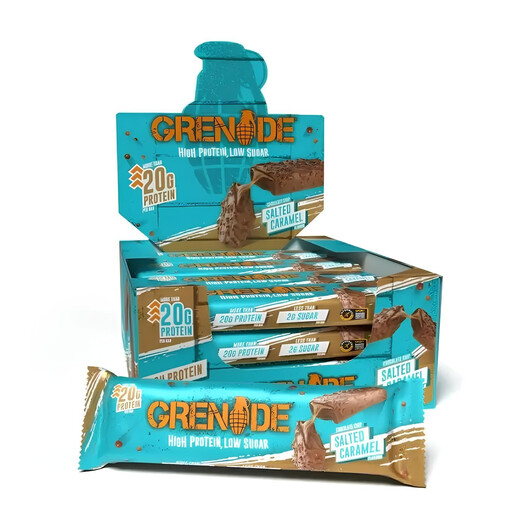
Why This Fits Their Persona: A multipack for anyone looking for a chocolate- or caramel-flavoured protein bar as an alternative to a sweet snack.
The product details state 20 g of protein and 1.4 g of sugar per bar, but also 18 g of polyols. This makes the formulation more transparent.
12 individually wrapped bars; chocolate-chip and salted-caramel flavour; 226 kcal per bar according to the stated nutritional values.
Browse the current range of energy bars and compare sizes, flavours, protein values and packaging based on when you plan to use them.
That depends on your overall daily diet and when you train. A bar can be convenient after exercise or between meals when you want a portable protein snack. In addition to protein, consider calories, sugar and allergens. The product description is not a substitute for personalised nutritional advice.
A low sugar content tells you only about one aspect of the nutritional profile. Also check polyols, fat, calories, fibre and ingredients. Some bars, for example, contain large amounts of sweeteners or a considerable amount of fat. Use a protein bar as part of a varied diet, not as a replacement for regular meals.
Store the bars according to the label, usually in a dry place at room temperature, away from direct sunlight and sources of heat and moisture. In a warm car, the chocolate coating and texture may change. Always check the best-before date and do not use a bar if the packaging is damaged.
