
Vandaag of morgen in huis

Kwaliteit gegarandeerd

Welkomstaanbiedingen ontgrendelen: GRATIS bezorging | Tot 80% korting | Gratis 30 dagen JoyPlus-proefperiode
Download de app
Protein bars are everywhere. You'll find them in supermarkets, gas stations, and gyms, all marketed as the ideal, responsible snack. But a closer look at the label reveals that many bars are more like a candy bar with some added protein. It's easy to overpay for a product that sabotages your fitness goals rather than supports them.
As a Joybuy Product Recommendation Officer, I'm here to help you see through the marketing claims. We'll focus on what really matters, so you can make an informed choice and not waste money on the wrong protein-rich snack.
Before you stock up on a box of protein bars, it's crucial to recognise these common deceptions.
post-workout snack for muscle recovery, and especially if you're looking for a low-carb bar.protein bar and take a bite, only to struggle with a dry, tough substance that's more reminiscent of cardboard than a treat. Taste and texture aren't luxuries; they're essential for making you actually want to eat the bar.You don't need to be a nutritionist to make the right choice. Just pay attention to the following three points on the packaging.
A good protein bar typically contains between 15 and 25 grams of protein. Anything less, and the effect on muscle recovery is limited. The source of the protein also matters. Many bars use a blend of:
This is where the wheat is separated from the chaff. A low-sugar protein bar should ideally contain less than 5 grams of sugar. Also, watch out for "polyols" or sugar alcohols (like maltitol). These are used as sugar substitutes to keep the sugar content low, but can cause digestive issues in some people when consumed excessively. The product information often includes a warning about this.
Don't just look at the absolute amount of protein; consider the total number of calories as well. A 400-calorie bar with 20 grams of protein is very different from a 200-calorie bar with 20 grams of protein. Your choice depends on your goal: are you looking for a meal replacement or a light, protein-rich snack?
Not every bar is suitable for everyone. Below is a selection for different user profiles, based on objective product specifications.

Why This Fits Their Persona: For those who refuse to choose between flavor and function. This bar combines the taste of white chocolate and OREO pieces with serious nutritional value, making it feel like a treat rather than an obligation.
This bar bypasses the "dry disappointment" pitfall with a layered texture and a flavor that, according to the brand Grenade, was developed in collaboration with OREO. It's a `low-sugar protein bar` that doesn't compromise on taste.
Contains 21 grams of protein per 60g bar and only 1.4 grams of sugar. The combination of great taste and solid nutritional stats is its key strength.

Why This Fits Their Persona: For the athlete seeking maximum protein intake with minimal sugars and calories. No-frills, purely focused on performance and `muscle recovery`.
This bar is the antithesis of a hidden sugar bomb. According to XXL Nutrition's specifications, the bar contains just 0.7 grams of sugar, putting the focus squarely on the protein.
An extremely high protein percentage: 25 grams of protein in a bar of only 50 grams (50% protein). This is one of the highest concentrations on the market, ideal for an efficient `post-workout snack`.
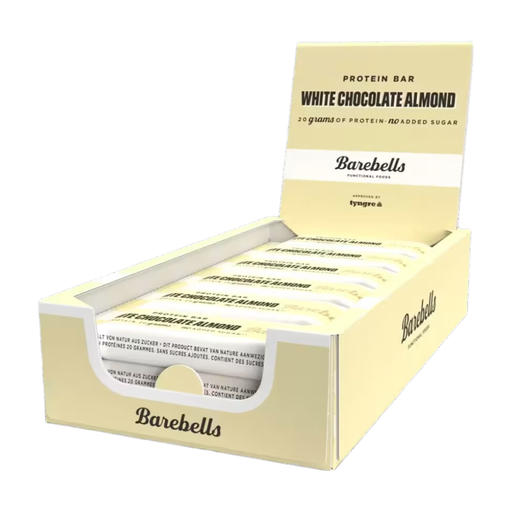
Why This Fits Their Persona: For those looking for a `protein-rich snack` for any time of day, without feeling like they're eating a heavy-duty sports bar. Barebells bars are known for their soft texture and widely appealing flavors.
This bar directly addresses the "chalky texture" pitfall. Its soft, chewy structure makes it a pleasant snack for any time of day, not just around a workout.
A balanced profile with 20 grams of protein and less than 2 grams of sugar per 55g bar. At around 200 kcal, it's an excellent choice for a nutritious in-between-meal snack.
We have compiled a complete, up-to-date list of products that fully meet these strict selection criteria and regulatory standards.
It depends on your goal. For muscle recovery, it's ideal to eat a protein bar within 30-60 minutes after your workout. As a protein-rich snack to curb hunger and boost your daily protein intake, you can have one at any time of the day.
Some people experience bloating due to the sugar alcohols (polyols) like maltitol, which are often used in low-sugar protein bars. Most packaging warns that excessive consumption may have a laxative effect. If you are sensitive to this, choose a bar sweetened with something like stevia or sucralose, or one with a very low amount of polyols.
Protein bars can aid in weight loss because protein provides a long-lasting feeling of fullness, making you less likely to reach for unhealthy snacks. However, they are not a magic bullet. A low-carb bar with few calories can be a smart choice, but it's still important to monitor your total calorie intake. Use them as a replacement for a less nutritious snack, not as an extra.
