
Vandaag of morgen in huis

Kwaliteit gegarandeerd

Welkomstaanbiedingen ontgrendelen: GRATIS bezorging | Tot 80% korting | Gratis 30 dagen JoyPlus-proefperiode
Download de app
A protein bar seems like a simple choice for a quick post-workout snack or a healthy treat. But the shelves are filled with options that look more like a candy bar than a functional, high-protein snack. Many bars entice you with attractive packaging but hide high levels of sugar and fat. How do you choose a product that actually contributes to your goals without unknowingly sabotaging your diet?
As a Joybuy Product Recommendation Officer, I'll help you cut through the marketing jargon. We'll look at the facts on the label so you can make an informed choice. Let's expose the most common pitfalls and see what you really need to look out for.
Before you buy a protein bar, it's important to know where things often go wrong. Many consumers fall into the same marketing traps, leading to a purchase that hinders their goals rather than supports them.
To avoid these pitfalls, it's essential to understand the nutritional facts table and the ingredients list. Focus on these three objective criteria to find the right protein bar for your needs.
post-workout snack can certainly contain a fair amount of calories to replenish your energy. However, if you're looking for an office snack, a bar with fewer than 250 kcal is often a better choice. Bars with high fiber content (more than 6 grams) contribute to a feeling of satiety, making you less likely to feel hungry again soon.Not everyone has the same needs. That's why we've highlighted several popular choices and matched them with specific user profiles.

Why This Fits Their Persona: For those who are serious about their sport and seek maximum protein intake for muscle recovery. This bar is purely functional, with no unnecessary additives.
This bar tackles the sugar trap head-on with only 0.7 grams of sugar per bar. The protein source is milk protein, a high-quality choice.
Delivers an impressive 25 grams of protein in a compact 50-gram bar. The protein-to-sugar ratio is exceptionally good.
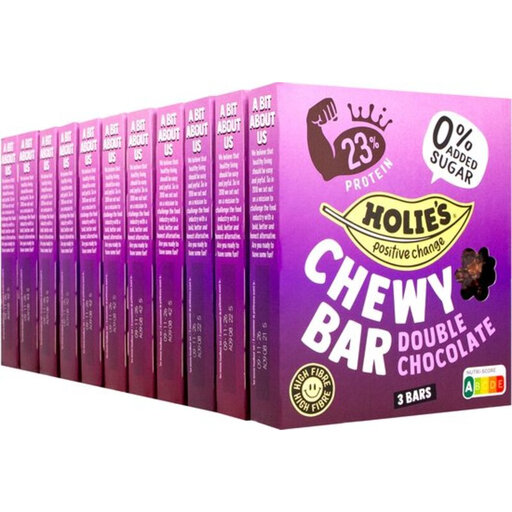
Why This Fits Their Persona: Perfect for those seeking a nutritious, satisfying snack without the calories of a heavy-duty sports bar. The focus is on fiber and natural ingredients.
According to the manufacturer, this bar contains 0% added sugar and is rich in fiber from chicory root and whole grains, ensuring it's not a sugar bomb.
It offers a great balance of protein (23g/100g) and high fiber content (21g/100g), which provides a long-lasting feeling of satiety.
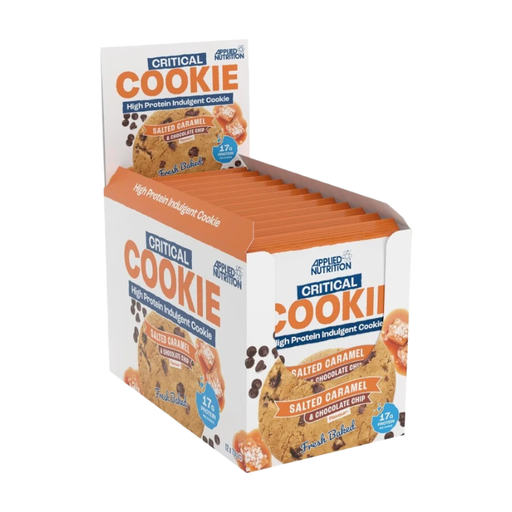
Why This Fits Their Persona: For those tired of the dense, chewy texture of many protein bars. This is a protein cookie that feels more like a treat, yet still delivers a solid amount of protein.
While this product contains more sugar than the other options, it's a deliberate choice for flavor. It's a protein product, not a standard cookie, and delivers 17 grams of protein.
The soft, oven-baked texture is a welcome change. It's a tasty alternative for those who struggle with the taste of traditional sports bars.
We have compiled a complete, up-to-date list of products that meet these selection criteria and comply with local regulations.
The timing depends on your goal. As a post-workout snack, a protein bar helps with muscle recovery; ideally, consume it within an hour of your training. As an in-between meal, a protein bar can help bridge the gap between meals and reduce cravings for unhealthy snacks.
Generally, no. While some bars are high in calories and nutrients, they lack the wide variety of vitamins, minerals, and fiber that a complete, balanced meal provides. View high-protein snacks as a supplement to your diet, not as a replacement for a main meal.
Check the ingredients list for sugar alcohols (polyols) like maltitol, xylitol, or erythritol. These are often used as sugar substitutes. They provide fewer calories than sugar but can cause stomach or digestive issues in some people when consumed in excess. Also, the "no added sugar" claim doesn't always mean a product is sugar-free; it can still contain natural sugars from sources like fruit or milk.
