
Vandaag of morgen in huis

Kwaliteit gegarandeerd

Welkomstaanbiedingen ontgrendelen: GRATIS bezorging | Tot 80% korting | Gratis 30 dagen JoyPlus-proefperiode
Download de app
At first glance, a protein bar seems simple: choose a flavour, check the protein content and pick up a multipack. Yet many shoppers end up paying for a product that does not suit the way they intend to use it. A bar for after exercise has different requirements from a muesli bar for eating on the go or a nut bar with your coffee.
As a Joybuy Product Recommendation Officer, I filter the most important product information from marketing copy. This makes it easier to compare protein bars using verifiable criteria and avoid an unsuitable purchase.
A high figure on the front of the pack does not always tell you enough. Check whether the protein content is stated per bar, per serving or per 100 grams. For example, a larger bar may contain more protein, but it may also have considerably more calories, fat or sugar.
Always compare like for like. For use after exercise, the practical amount per bar is often more relevant than a percentage per 100 grams.
A protein bar that is low in sugar may still contain carbohydrates, sweeteners or polyols. Products containing maltitol, glycerol or other polyols may have a different texture and aftertaste. Excessive consumption of polyols may also have a laxative effect, as stated on various product packages.
As well as checking ‘sugars’, look at the total carbohydrate content and the ingredients list. A muesli bar with no added sugars is not automatically a high-protein snack.
Many protein bars contain milk, soya, peanuts, nuts, gluten or hydrolysed collagen. If you have an allergy or intolerance, do not just check the front of the packaging: read the full allergen declaration too.
The protein source also varies. Milk protein, whey protein, soya protein, wheat protein and collagen are not interchangeable. Check exactly what the product contains and always follow the information on the packaging. Ingredients and formulations may change.
For a quick comparison, start by checking the number of grams of protein in each individual bar. The amounts in this range vary:
When a product is labelled ‘high protein’, check the nutrition table. Under European rules for nutrition claims, a product must provide at least 20% of its energy from protein to make the claim ‘high protein’. The exact claim and conditions are shown on the packaging.
A protein bar that is low in sugar may be suitable if you want to limit added sugars, but check the overall nutritional value too. Barebells Caramel & Cashew states 1.5 grams of sugar, 200 kcal and 5 grams of polyols per bar. XXL Nutrition Chocolate states 1.4 grams of sugar per 100 grams; the bar weighs 50 grams.
A standard muesli bar often contains less protein. Hero Coconut Muesli Bar, for example, contains 5.7 grams of protein per 100 grams and 28 grams of sugar per 100 grams. This makes it more suitable as a cereal snack than as a targeted protein snack.
Check the following before ordering:
An individual bar is useful for trying a flavour. A multipack may be more practical if you regularly eat protein bars, but check the best-before date and serving size first.
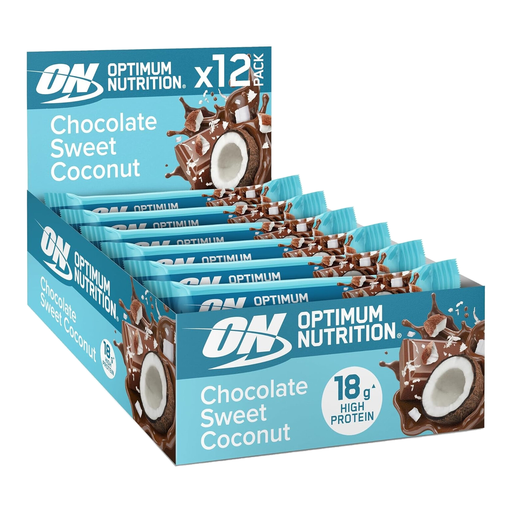
Why it suits this profile: A chocolate and coconut-flavoured multipack for anyone looking to keep a regular supply handy for journeys, between meals or after a workout. The product description states that each 59-gram bar contains 18 grams of protein.
The protein content per bar is clearly stated. However, check the current pack contents before buying, as the supplied product information lists different quantities.
18 grams of protein per bar, individually portioned, with a combination of chocolate and coconut.

Why it suits this profile: Designed for shoppers who want plenty of protein per bar while keeping sugar intake low. The product information states 25 grams of protein, 0.7 grams of sugar and 179 kcal per bar.
The relevant values are stated both per 100 grams and per bar. Do note the presence of milk, soya, peanuts and gluten in the allergen information.
25 grams of protein per bar, 0.7 grams of sugar according to the product description, and a 50-gram format.
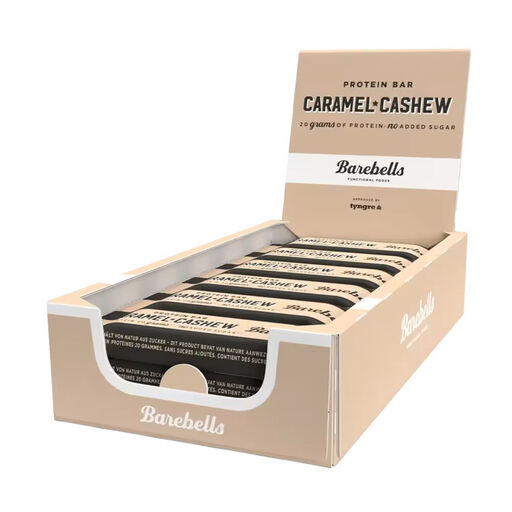
Why it suits this profile: A reliable supply for sportspeople and active adults who regularly take a bar with them. With 20 grams of protein per bar and cashew and caramel flavours, it is a practical choice after exercise or between meals.
The product information states the protein, sugar, calorie, fibre and polyol content per bar. This allows you to compare it with other bars on the same serving basis.
20 grams of protein, 1.5 grams of sugar and 3.1 grams of fibre per 55-gram bar; it does contain polyols, milk, cashew and peanuts.
We have put together a complete, up-to-date list of products that fully meet these strict selection criteria and the applicable European safety regulations.
Keep these points in mind when comparing products:
A protein bar can be practical after exercise, between meals or while you are out and about. The right time depends on your overall diet and personal preference. Treat the bar as an addition to a varied diet, not as a replacement for ordinary meals.
The shelf life is stated on the packaging. Bars should generally be stored in a cool, dry place away from direct sunlight and sources of heat and moisture. Check the packaging before eating and do not use a product if the packaging is damaged.
Not necessarily. Also check the calories, total carbohydrates, polyols, fats, protein source and allergens. For example, a bar that is low in sugar may contain a lot of sweeteners, while a nut bar may provide more fat and calories. The right choice depends on when you plan to eat the snack.
