
Vandaag of morgen in huis

Kwaliteit gegarandeerd

Welkomstaanbiedingen ontgrendelen: GRATIS bezorging | Tot 80% korting | Gratis 30 dagen JoyPlus-proefperiode
Download de app
Looking for a quick, protein-rich snack for after your workout or as a healthy treat? Protein bars seem like the ideal solution. The shelves are packed with them, each package more appealing than the last. But behind the promises of muscle recovery and a healthy lifestyle, there are often hidden pitfalls that can make your purchase less wise than you think. Before you stock up on a box of bars, it's important to know what to look for.
As a Joybuy Product Recommendation Officer, I'll help you see through the marketing jargon. We'll look at what's really inside a protein bar, so you can make a choice that fits your goals and your budget.
The market for protein-rich bars is vast and overwhelming. Many products look similar, but the differences in quality and nutritional value are enormous. These are the two main deceptions you need to watch out for as a consumer.
Many bars are marketed as a healthy snack, but a glance at the ingredients list tells a different story. A bar might contain 20 grams of protein, but also 15 to 20 grams of sugar at the same time. That's comparable to a regular candy bar. Manufacturers often use terms like "with natural sugars" or "honey" to make it sound healthier, but to your body, sugar is just sugar. A high sugar intake can cause your energy levels to spike and then crash, which actually hinders your fitness goals.
A low-carb protein bar sounds ideal, especially if you're watching your carbohydrate intake. However, many manufacturers achieve this low number by using polyols (sugar alcohols) like maltitol or glycerol. While these technically contain fewer calories than sugar, they are not fully absorbed by the body. Excessive consumption can cause digestive issues like bloating or a laxative effect, a common complaint. Furthermore, "low carb" doesn't automatically mean "low calorie." The calories often come from fats instead, which isn't always desirable.
To avoid a bad purchase, you don't need to be a nutritionist. By paying attention to the following two points, you can quickly and objectively evaluate most protein bars.
This is the most important factor. A good protein-rich bar offers a significant amount of protein with a minimal amount of sugar. A simple rule of thumb:
sugar-free protein bar (or one with very little sugar) is often sweetened with artificial sweeteners.Always check the nutrition facts table on the back. Don't be misled by the front of the package.
The source of the protein and the other ingredients determine the quality of the bar.
Not everyone has the same needs. That's why we've highlighted some popular choices and matched them with specific user profiles.

Why This Fits Their Persona: For those who see a protein bar as a reward that doesn't feel like a compromise. The collaboration with OREO delivers an authentic taste that satisfies your sweet cravings without wrecking your macros.
This bar bypasses the "sugar bomb" pitfall by offering a rich flavour with only 1 gram of sugar per bar. It feels like a treat, but its nutritional profile is that of a serious protein bar.
Contains 21 grams of protein per bar and real OREO pieces for a recognisable and popular taste. The protein comes from a blend of caseinate and whey isolate.
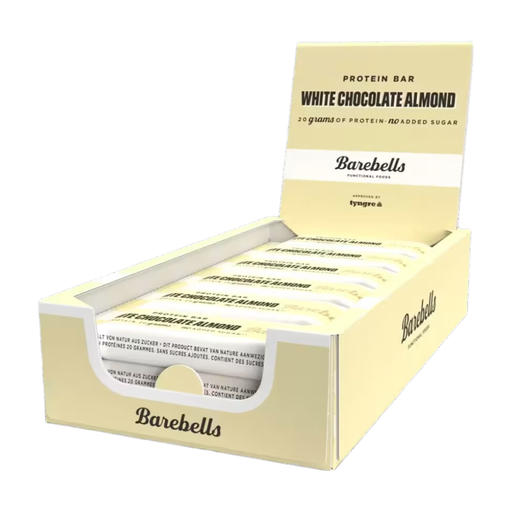
Why This Fits Their Persona: For the user focused purely on nutritional value. This bar delivers a high dose of protein with minimal sugar and carbs, making it a perfect fit for a strict nutrition plan for muscle building or maintenance.
This bar avoids the "low carb" myth by not only being low in carbohydrates but also offering an excellent protein-to-calorie ratio. You get functional nutrients, not hidden fats or sugars.
Delivers 20 grams of protein per 55-gram bar, with only 1 gram of sugar. The protein source is a mix of milk proteins and collagen hydrolysate, which contributes to muscle maintenance.

Why This Fits Their Persona: For those looking for more than just protein. This bar is a functional snack that not only supports protein intake but also delivers a daily dose of vitamins. Ideal for a busy, active lifestyle.
This is more than just a glorified candy bar. By adding vitamins, it offers functional nutritional value beyond just protein and calories, making it a more balanced choice.
Contains approximately 20 grams of protein and is fortified with 9 essential vitamins, including Vitamins C, B6, and B12, each covering 55% of the recommended daily intake.
We've compiled a complete, up-to-date list of products that fully meet these strict selection criteria and comply with local regulations.
No, a protein bar is not a substitute for a complete, balanced meal. They are intended as a healthy snack or to supplement your diet, for example, after a workout. A real meal provides a broader range of nutrients, fibre, and micronutrients that you can't get from a bar.
The ideal time depends on your goal.
The most common complaint is related to sweeteners. Many low-carb bars contain polyols (sugar alcohols) like maltitol. As stated on many packages, excessive consumption can have a laxative effect or cause bloating. If you are sensitive to this, choose a bar with a different sweetener or a lower polyol content. Always read the label and warnings.
