
Vandaag of morgen in huis

Kwaliteit gegarandeerd

Welkomstaanbiedingen ontgrendelen: GRATIS bezorging | Tot 80% korting | Gratis 30 dagen JoyPlus-proefperiode
Download de app
Protein bars are everywhere. In the supermarket, the gym, and online. They are presented as the ideal snack for an active lifestyle. But anyone looking to buy protein bars will soon notice that not all bars are created equal. Many products aren't what they seem. This guide helps you see through the marketing hype and make a choice that fits your goals, without wasting your money.
Before you add a box of bars to your cart, it's wise to know the most common pitfalls. Manufacturers use clever marketing that sometimes paints a prettier picture than reality.
You don't need to be a nutritionist to make a good choice. By paying attention to a few core specifications, you can quickly assess the quality of a protein bar.
The most important ingredient is, of course, the protein. For effective muscle recovery after a workout, a bar with 15 to 20 grams of protein is a good benchmark. Less can also suffice if you see it purely as a protein-rich snack. The source of the protein is also relevant. Whey and casein are complete proteins derived from milk and are efficiently absorbed by the body. Plant-based sources like soy, pea, or rice are good alternatives for those who avoid dairy.
One of the biggest advantages of a good protein bar is that it's low in sugar. Look on the label under "Carbohydrates" for the line "of which sugars". A good sugar-free (or very low-sugar) protein bar ideally contains less than 3 grams of sugar per bar. This makes it a much better choice than most other snacks.
Pay attention to the length of the ingredients list. A shorter list with recognisable ingredients is often a good sign. Many bars are sweetened with polyols (sugar alcohols) like maltitol or xylitol. These provide fewer calories than sugar but can cause digestive issues in some people with excessive consumption. This is a personal consideration.
Based on these criteria, we have highlighted a few popular choices that suit different user profiles.

Why This Fits Their Persona: For those who refuse to compromise on taste. The collaboration with OREO makes this one of the most famous Grenade bars. It feels like a treat but simultaneously delivers serious nutritional value for after a workout or as a protein-rich snack.
This bar completely bypasses the 'taste disappointment' trap with its authentic flavour. With less than 2 grams of sugar per bar, it's also definitely not a 'sugar bomb'.
Contains approximately 21 grams of protein per bar. The taste and texture are highly rated by many users.
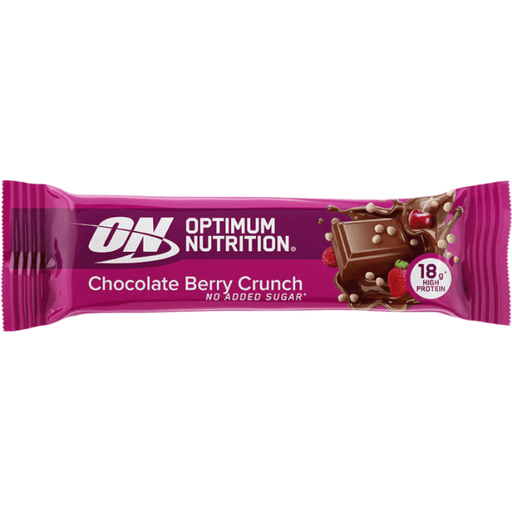
Why This Fits Their Persona: A reliable choice from a reputable brand. Ideal for the athlete looking for a solid, functional bar for post-workout recovery or as a filling snack, without paying a premium for extreme specs.
This bar avoids the 'protein illusion' with a solid 18 grams of protein. Because there are no added sugars, it also dodges the 'sugar bomb' trap.
Soft, creamy filling with crispy pieces. Contains no added sugars (only naturally occurring sugars).
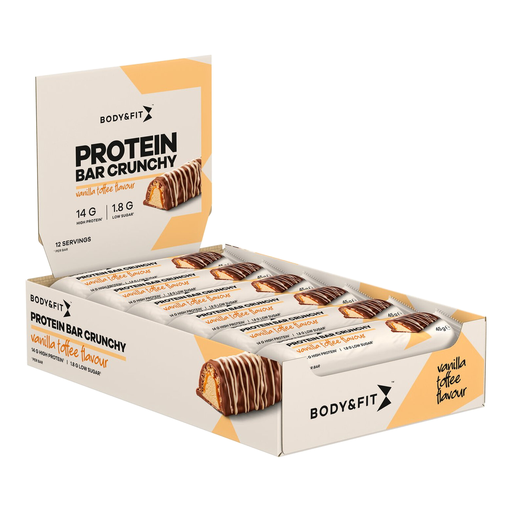
Why This Fits Their Persona: A practical and tasty solution for a conscious lifestyle. This bar is ideal for those seeking a functional, crunchy snack for on-the-go or to supplement their daily protein intake, without the fuss.
This bar is a straightforward fitness snack. With 14 grams of protein and only 1.8 grams of sugar, it delivers what it promises, avoiding the trap of too little protein or too much sugar.
The crispy texture provides a satisfying 'crunch'. Low in sugar and practical for on-the-go.
Choosing the right snack is personal. Besides protein bars, there are plenty of other functional and tasty options that fit an active lifestyle.
A protein bar is versatile. Many people eat one within an hour of their workout to support muscle recovery. However, it's also an excellent protein-rich snack to bridge the time between meals and curb hunger pangs.
Polyols like maltitol, sorbitol, and xylitol are often used as sugar substitutes. They contain fewer calories and have less impact on blood sugar levels. For most people, they are not a problem, but high intake can lead to bloating or a laxative effect in some individuals. It's a matter of personal tolerance.
Protein bars are not a magic bullet for weight loss. However, they can be a useful tool within a balanced diet. Protein provides a long-lasting feeling of fullness, which can help limit overall calorie intake. A bar can be a smarter choice than a high-calorie, sugary snack, but it's still important to look at your overall diet.
